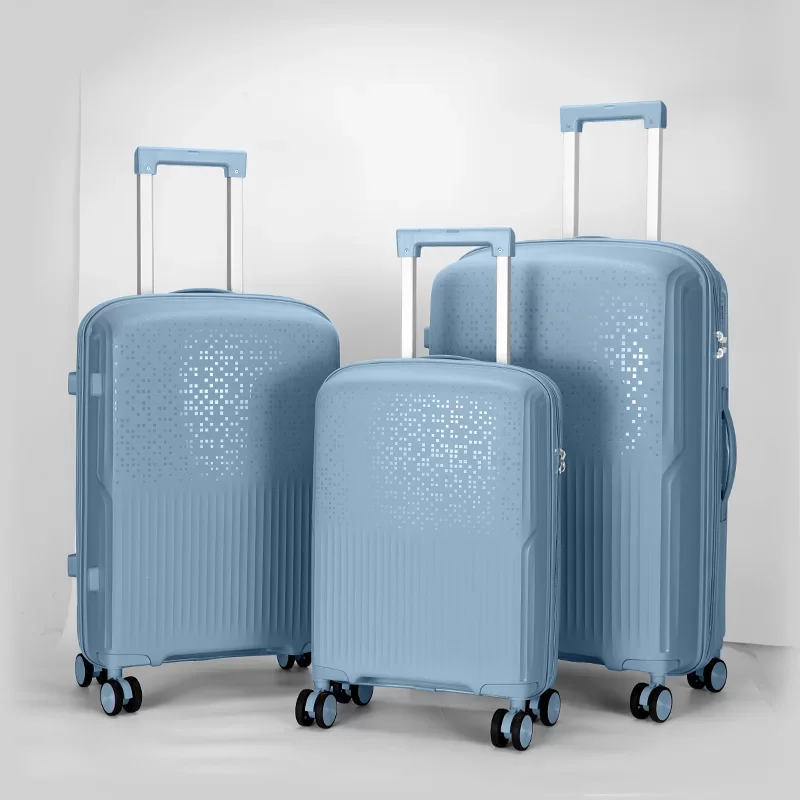
Sourcing backpacks in bulk for sale has become a strategic necessity for businesses ranging from corporate promotional firms to educational institutions and global NGOs. In an era where mobility and organization are paramount, the ability to acquire high-quality carrying solutions at scale allows organizations to maintain brand consistency while providing essential utility to their end-users. Whether it is for employee onboarding, student distribution, or humanitarian aid, the wholesale procurement of backpacks represents a critical intersection of logistics and functional design.
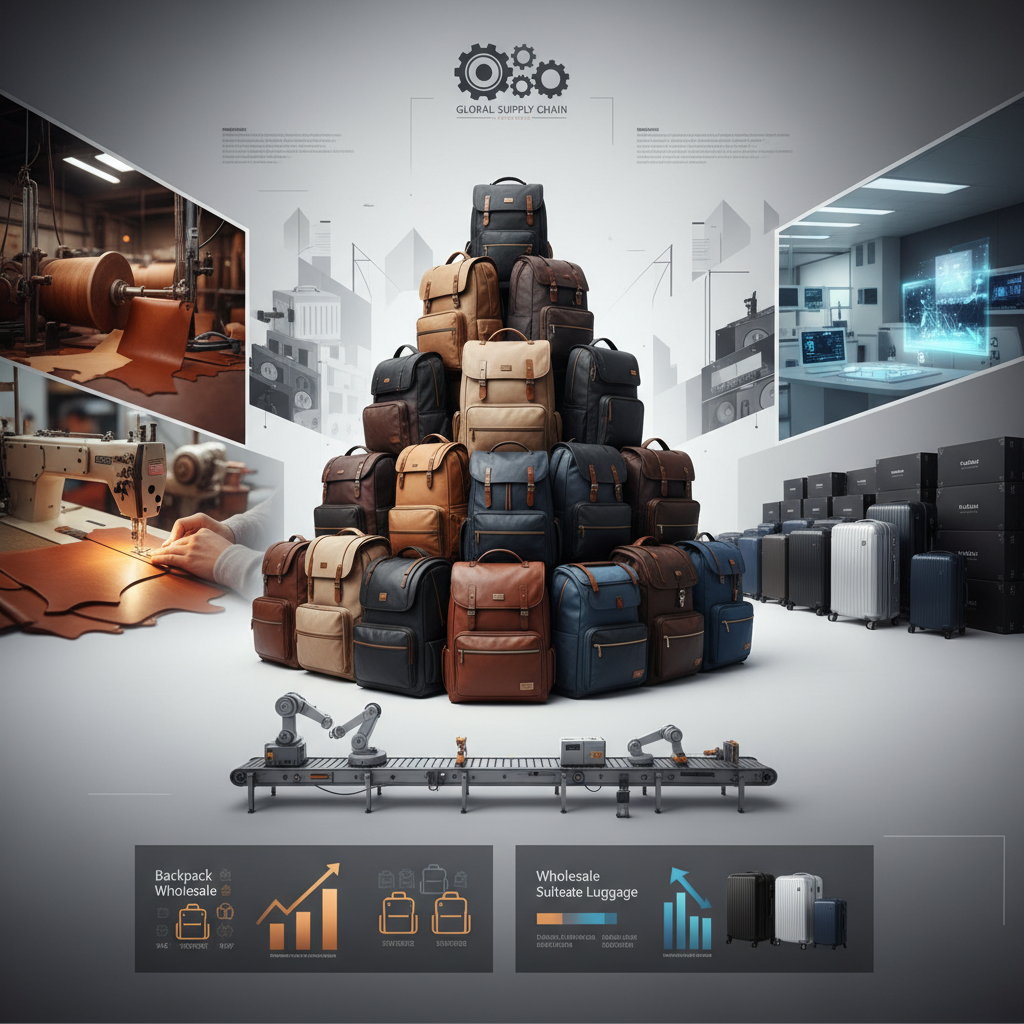
From a global industrial perspective, the demand for wholesale luggage and bags is driven by the resurgence of international travel and the rise of "digital nomadism." According to trade data aligned with ISO quality standards, the shift toward durable, ergonomic, and multi-functional designs has forced manufacturers to optimize their bulk production lines. The challenge for most buyers lies in balancing the "cost-per-unit" with "long-term durability," as low-quality bulk orders often lead to higher replacement costs and brand erosion.
Understanding the nuances of the wholesale market—from material selection (like 600D polyester versus recycled nylon) to the intricacies of customs and freight—is essential for any procurement manager. By focusing on backpacks in bulk for sale, businesses can leverage economies of scale to obtain premium features, such as waterproof coatings and reinforced stitching, which would otherwise be prohibitively expensive in small retail quantities.
Defining Bulk Backpack Procurement
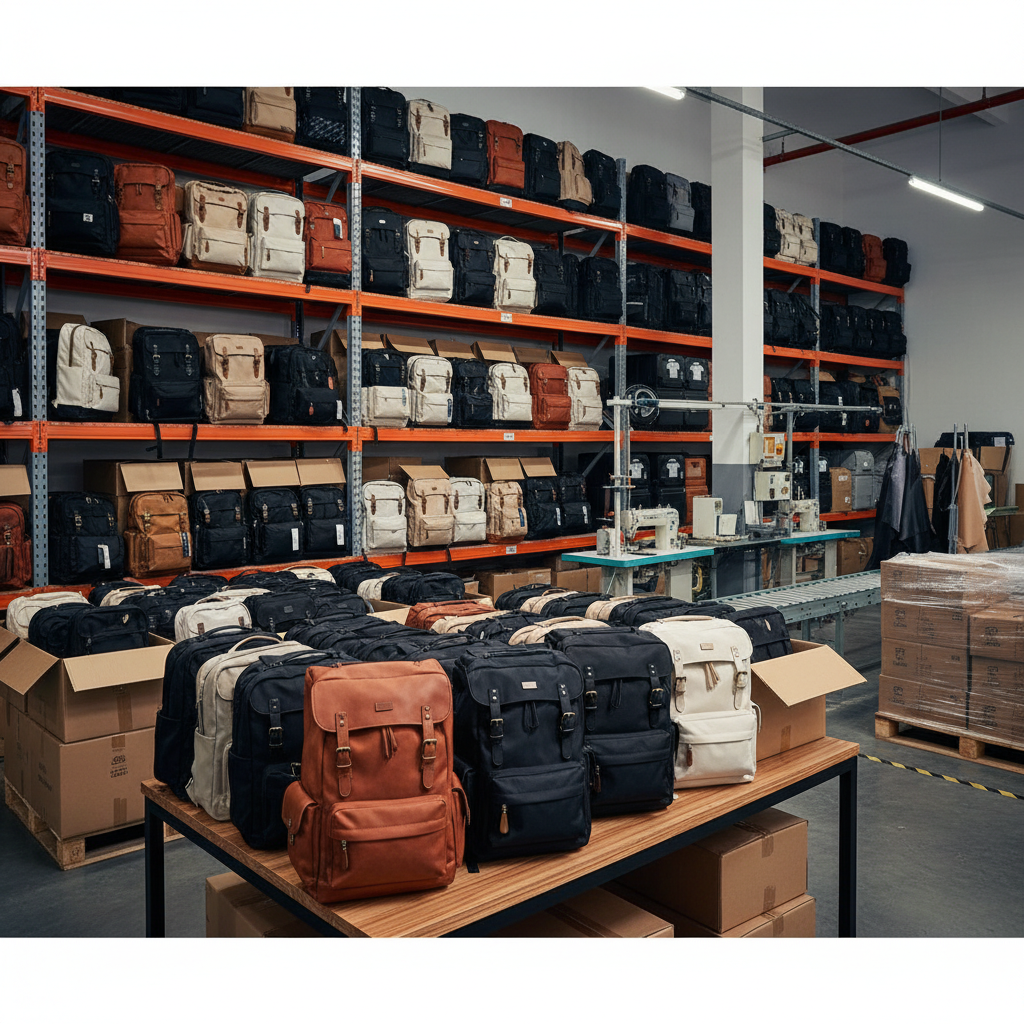
When we discuss backpacks in bulk for sale, we are referring to the B2B process of acquiring large quantities of bags directly from manufacturers or wholesale distributors. Unlike retail shopping, bulk procurement involves detailed specifications regarding fabric denier, zipper strength (such as YKK standards), and customized branding options. This process is vital for organizations that need to equip large groups of people quickly and uniformly.
The connection to modern industry is rooted in "Just-in-Time" (JIT) manufacturing. By ordering in bulk, companies reduce the lead time associated with individual purchases and ensure that every unit meets a specific quality benchmark. This is particularly crucial for humanitarian organizations distributing supplies in disaster zones or schools providing standardized gear to students, where reliability is a non-negotiable requirement.
Key Factors in Wholesale Quality Control
The first pillar of successful bulk procurement is Material Durability. In the world of backpacks in bulk for sale, the "denier" (D) of the fabric indicates the thickness of the fibers. For instance, a 600D polyester bag is standard for promotional use, whereas a 1000D nylon bag is required for tactical or heavy-duty industrial applications. Understanding these technical parameters prevents the common mistake of purchasing "cheap" bulk items that fail within weeks of use.
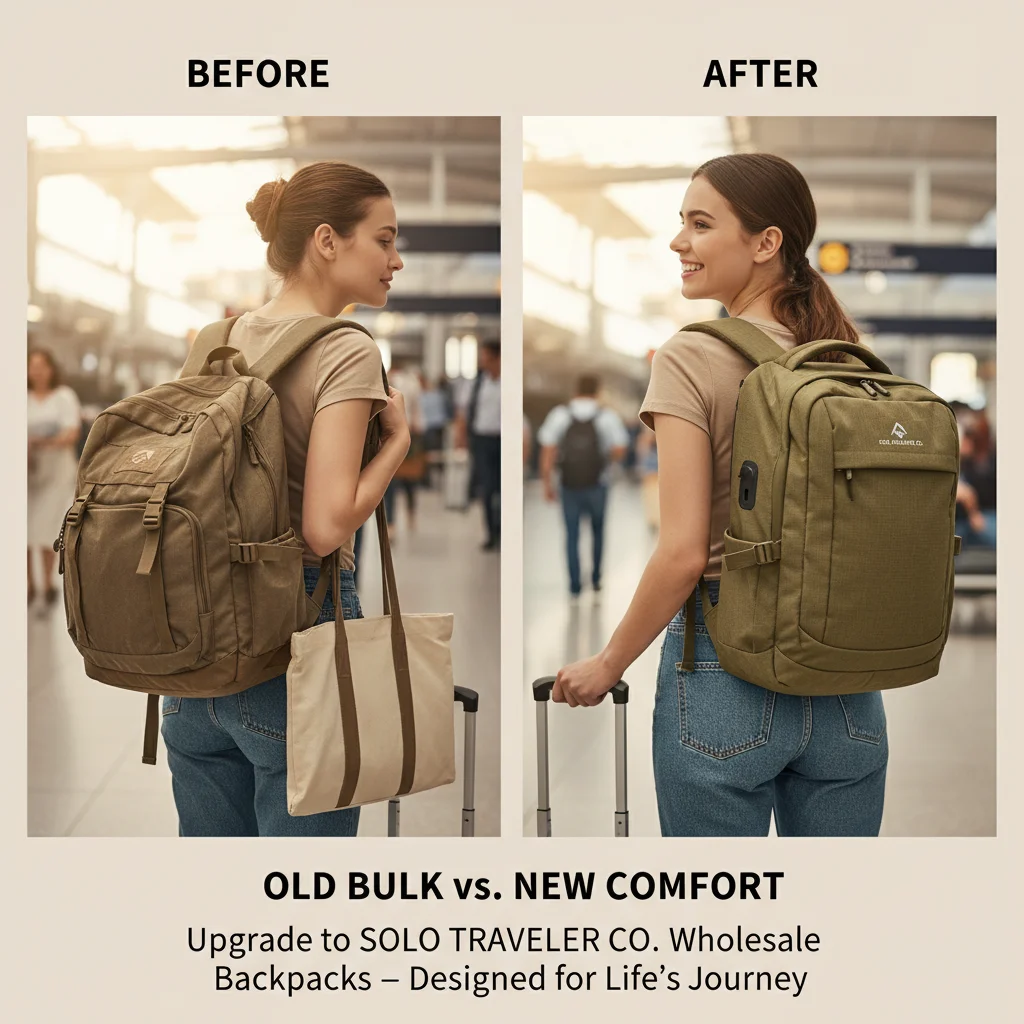
Secondly, Structural Integrity focuses on the stress points. Quality wholesale backpacks utilize "bar-tack" stitching—reinforced rows of stitches at the strap-to-body junctions. When evaluating bulk offers, professionals look for these reinforcements and the quality of the shoulder padding, ensuring that the weight is distributed ergonomically, which reduces physical strain on the user and extends the life of the product.
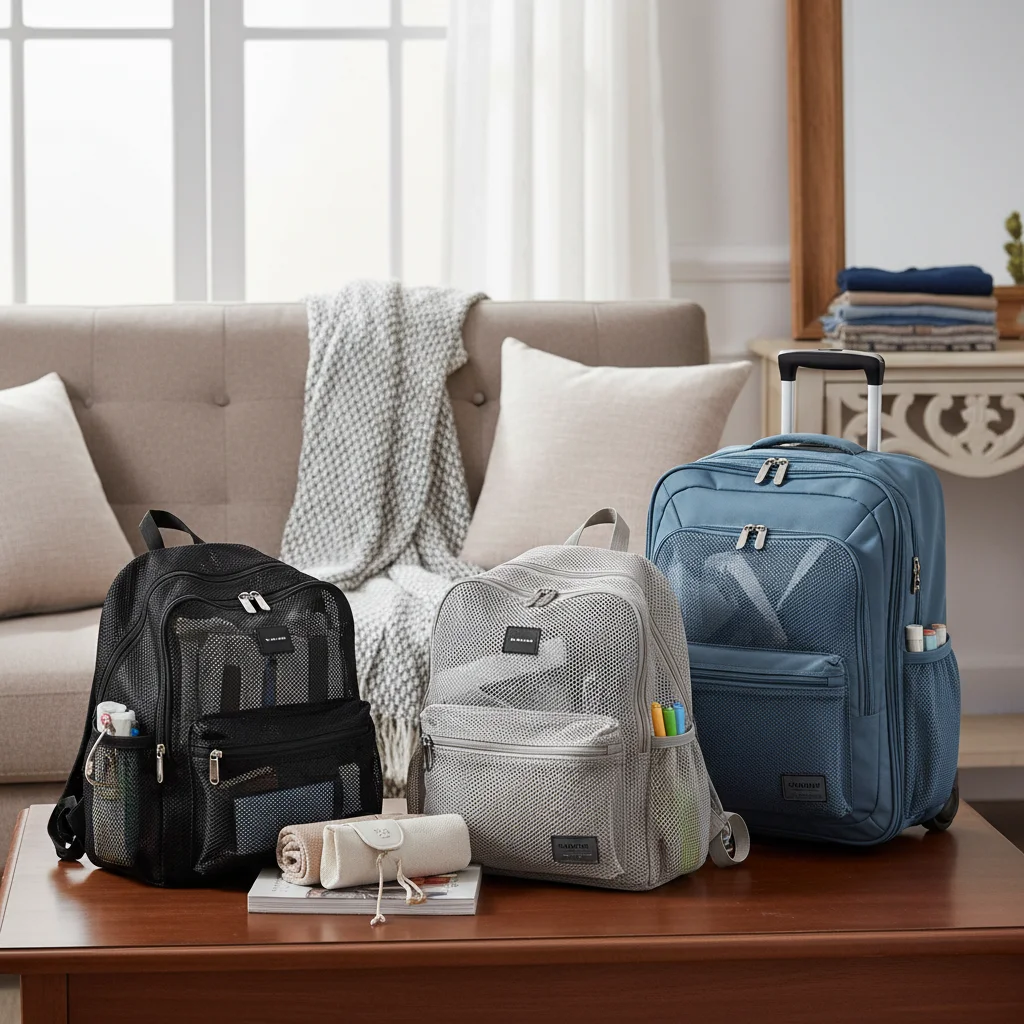
Finally, Functional Versatility ensures the product remains relevant. Modern bulk orders now prioritize "hybrid" designs, incorporating padded laptop sleeves, USB charging ports, and water-resistant coatings. By integrating these features into a bulk order, companies provide a high-perceived value to the recipient, transforming a simple bag into a professional tool for the digital age.
Cost Efficiency and Scalability Models
Achieving true cost efficiency when searching for backpacks in bulk for sale requires a deep understanding of tiered pricing. Most manufacturers operate on a sliding scale where the cost per unit drops significantly as the volume increases. This scalability allows a business to start with a modest order for a pilot program and then scale up to thousands of units for a global rollout without losing margin.
The economic logic of bulk purchasing extends beyond the unit price. By consolidating shipments and optimizing container loads, buyers can drastically reduce the "landed cost" of their backpacks in bulk for sale. This includes reducing per-unit customs brokerage fees and utilizing sea freight for large volumes, which is far more sustainable and cost-effective than air shipping small batches.
Moreover, the ability to customize bulk orders—adding logos via screen printing or embroidery—adds a layer of marketing value that cannot be achieved with off-the-shelf products. When a company distributes a branded, high-quality backpack, they are essentially deploying a mobile billboard. The long-term ROI (Return on Investment) of a bulk order is thus measured not just in savings, but in brand visibility and user loyalty.
Global Applications and Use Cases
The application of backpacks in bulk for sale spans diverse sectors. In the corporate world, tech giants use them for "Welcome Kits," ensuring new hires feel valued from day one. In the education sector, governments in developing regions partner with wholesale manufacturers to provide students with durable bags, which directly correlates with increased school attendance and better organization of learning materials.
In more extreme environments, such as post-disaster relief operations managed by NGOs, bulk backpacks are used to distribute hygiene kits and food rations. These bags must be water-resistant and highly durable to withstand rugged terrain. Similarly, in remote industrial zones like mining or oil rigs, companies procure heavy-duty bulk bags to ensure workers can safely transport tools and personal protective equipment (PPE) across the site.
Performance Comparison of Bulk Backpack Procurement Methods
Long-term Value of Durable Materials
Investing in premium materials when sourcing backpacks in bulk for sale offers a logical and emotional advantage. Logically, higher-grade materials like Ballistic Nylon or Ripstop fabric significantly extend the product's lifecycle, reducing the frequency of re-orders and minimizing waste. This reliability fosters a sense of trust between the provider and the recipient, as the bag does not fail during critical use.
From an emotional perspective, the quality of a bulk-purchased item reflects the dignity and respect the organization has for its users. A flimsy, poorly stitched bag suggests a lack of care, whereas a robust, well-designed backpack signals professionalism and investment. In humanitarian contexts, providing a high-quality bag provides a sense of stability and security to individuals who may have lost everything, proving that reliability is as much about psychology as it is about physics.
Future Innovations in Bag Manufacturing
The future of backpacks in bulk for sale is being shaped by the "Green Revolution." We are seeing a massive shift toward RPET (Recycled Polyethylene Terephthalate) fabrics, which are made from recycled plastic bottles. Forward-thinking companies are now requesting eco-friendly certifications (like GRS - Global Recycled Standard) for their bulk orders to align with corporate social responsibility (CSR) goals and reduce their carbon footprint.
Digital transformation is also entering the factory floor. Automated cutting and sewing technology are reducing human error in bulk production, ensuring that the 1,000th bag is identical in quality to the first. Furthermore, the integration of "Smart" features—such as embedded RFID tags for inventory tracking in large corporate deployments—is becoming a standard request for high-end bulk luggage.
We also anticipate a move toward modularity. Future bulk orders may include "base bags" with interchangeable modules (e.g., a detachable camera insert or a specialized tool pouch). This allows organizations to provide a versatile solution that can adapt to the user's changing needs over time, further increasing the sustainability and value of the initial investment.
Overcoming Bulk Sourcing Challenges
One of the primary challenges in procuring backpacks in bulk for sale is the "Quality Gap" between the pre-production sample and the final mass-delivery. To overcome this, seasoned procurement experts insist on a "Golden Sample" process, where a final approved unit is kept by both the buyer and the factory as the absolute benchmark for quality audits during the production run.
Another significant hurdle is supply chain volatility, including shipping delays and raw material shortages. The solution lies in diversifying the supplier base and utilizing "Safety Stock" strategies. Instead of relying on a single factory, large-scale buyers often split their orders among two vetted manufacturers to ensure that a local lockdown or material shortage in one region does not halt their entire distribution timeline.
Finally, navigating international customs and compliance can be daunting. Utilizing a partner who understands the specific import regulations for textiles—such as tariff codes and material safety certificates—is essential. By implementing a rigorous Quality Assurance (QA) check at the factory gate before shipment, businesses can avoid the costly nightmare of receiving thousands of defective units that cannot be returned.
Analysis of Material and Feature Performance for Bulk Backpacks
|
Material Type
|
Durability Score (1-10)
|
Eco-Friendliness
|
Best Use Case
|
|
600D Polyester
|
6
|
Medium
|
Promotional Events
|
|
Ballistic Nylon
|
10
|
Low
|
Industrial/Tactical
|
|
Recycled RPET
|
7
|
High
|
Corporate CSR Kits
|
|
Ripstop Nylon
|
9
|
Medium
|
Outdoor/Humanitarian
|
|
Oxford Cloth
|
8
|
Medium
|
Student Backpacks
|
|
Vegan Leather
|
7
|
Medium
|
Fashion Wholesale
|
FAQS
MOQs vary by manufacturer, but typically range from 50 to 500 units for customized orders. For generic "off-the-shelf" wholesale designs, MOQs may be as low as 10-20 units. To get the best pricing for backpacks in bulk for sale, we recommend ordering in increments of 100 or 500, as these often trigger significant price breaks in the manufacturing process.
The best way is to request a pre-production sample and implement a third-party inspection service. A professional inspector can check stitching, zipper functionality, and material weight against your agreed-upon specs. For those sourcing backpacks in bulk for sale, having a "Golden Sample" approved and signed by both parties is the most effective way to hold the factory accountable.
Yes, almost all wholesale providers offer customization. Common methods include screen printing (cost-effective for large logos), embroidery (premium look and higher durability), and heat transfer (best for complex, multi-color designs). When looking for backpacks in bulk for sale, specify your logo format (vector files) early in the process to ensure a crisp, professional finish.
For extreme durability, Ballistic Nylon and high-denier Ripstop Nylon are the industry gold standards. They resist tearing, abrasion, and punctures. If you are sourcing backpacks in bulk for sale for industrial use or outdoor exploration, these materials are worth the higher cost as they significantly reduce the replacement rate compared to standard polyester.
Lead times include both production and shipping. Production typically takes 2-4 weeks depending on customization. Sea freight, the most common choice for backpacks in bulk for sale, takes 20-40 days depending on the destination. Air freight is faster (5-10 days) but significantly more expensive, making it suitable only for urgent, smaller bulk shipments.
Modern RPET and recycled nylons have closed the performance gap significantly. While some ultra-specialized military-grade fabrics still outperform them, for 95% of corporate, educational, and travel applications, eco-friendly backpacks in bulk for sale offer equivalent durability while providing the added benefit of sustainability and brand alignment with green initiatives.
Conclusion
Procuring backpacks in bulk for sale is far more than a simple transaction; it is a strategic decision that impacts brand perception, operational efficiency, and user satisfaction. By focusing on the critical balance between material denier, structural reinforcement, and cost-effective logistics, organizations can secure high-value assets that serve their purpose for years. From the initial selection of fabrics to the final quality audit, a meticulous approach to wholesale sourcing ensures that every unit delivered is a testament to quality and reliability.
As the industry moves toward a more sustainable, tech-integrated future, the emphasis will shift from mere volume to "conscious volume." We encourage procurement managers to embrace recycled materials and modular designs to maximize the lifecycle of their products. Whether you are equipping a global workforce or supporting a community in need, choosing the right partner for your bulk luggage needs is the first step toward lasting impact. Visit our website for professional wholesale solutions: www.omaskafactory.com