Navigating the diverse landscape of back pack types is essential for any business looking to penetrate the modern luggage market. Whether it is for daily commuting, rugged outdoor exploration, or specialized professional use, the architecture of a bag dictates its utility and market appeal. Understanding these distinctions allows wholesalers and retailers to align their inventory with specific consumer pain points, ensuring that the right product reaches the right user.
From a global manufacturing perspective, the evolution of carrying solutions has shifted from simple storage to ergonomic engineering. Today, the variety of back pack types reflects a broader trend toward "hyper-specialization," where materials like ballistic nylon and recycled PET are integrated to meet strict sustainability and durability standards. This shift is not merely aesthetic; it is a response to a world where mobility is constant and versatility is non-negotiable.
For those engaged in Backpack Wholesale and Wholesale Suitcase Luggage, mastering the technical nuances of different designs is the key to scaling. By analyzing the structural differences between a tactical rucksack and a minimalist urban pack, businesses can optimize their supply chains and offer curated collections that resonate with diverse demographic segments globally.

Global Market Relevance of Back Pack Types
The global demand for diverse back pack types has seen a significant uptick as urban migration and outdoor tourism surge. According to industry trends aligned with ISO quality standards, the shift toward ergonomic carrying solutions is no longer a luxury but a health necessity. In regions like Southeast Asia and North America, the proliferation of "digital nomads" has created a massive gap in the market for hybrid bags that function as both professional briefcases and travel luggage.
This diversification addresses a critical challenge: the inadequacy of "one-size-fits-all" luggage. By segmenting products into specialized categories, manufacturers can reduce material waste and improve the longevity of the product. For wholesale distributors, this means moving away from generic inventory and toward a strategic portfolio that covers everything from lightweight daypacks to heavy-duty expedition gear.
Defining the Technical Scope of Bag Categories
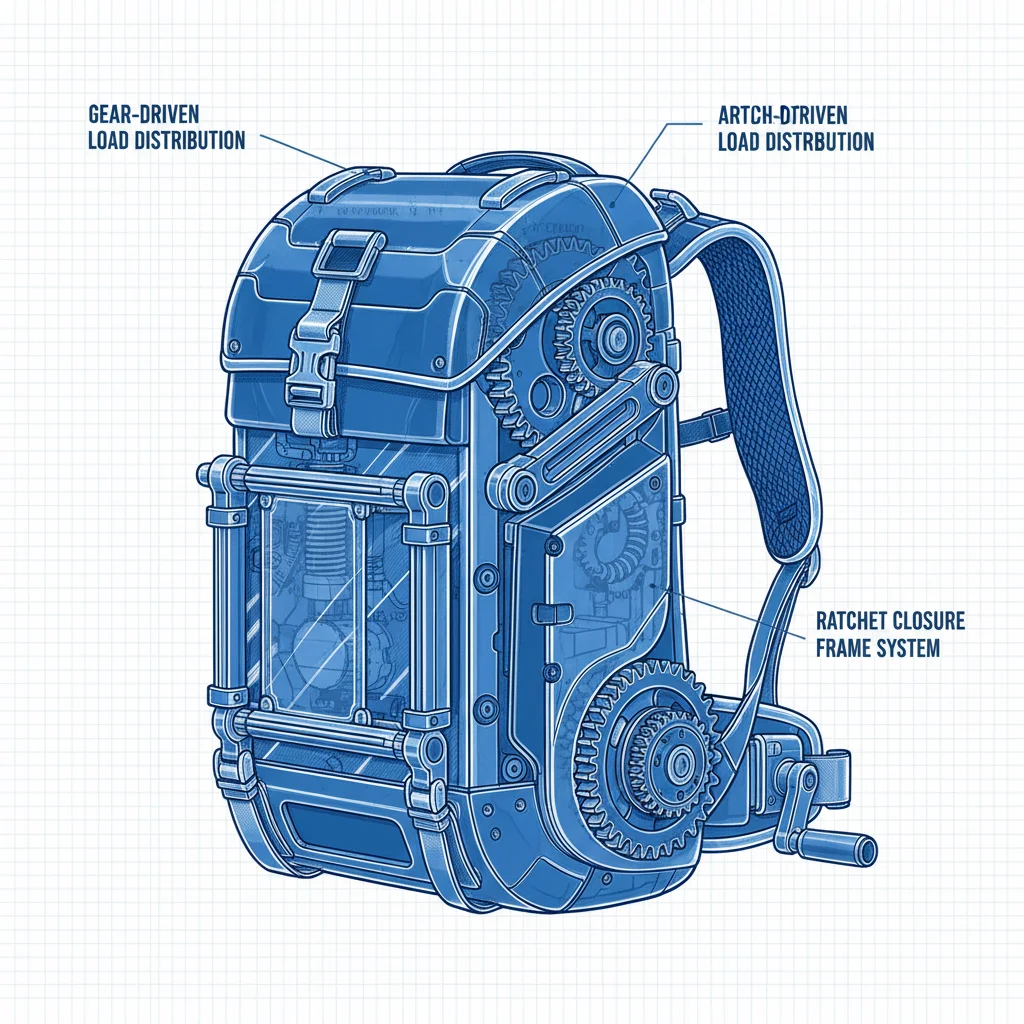
In simple terms, back pack types refer to the classification of rear-carried luggage based on their intended function, structural design, and material composition. Rather than just looking at the size, technical definitions focus on the load-bearing system—such as internal frames for hiking packs versus unstructured shells for fashion bags—which determines how weight is distributed across the human musculoskeletal system.
This classification is deeply connected to modern humanitarian and industrial needs. For instance, in disaster relief operations, the "tactical" or "emergency" type of backpack is engineered for rapid deployment, featuring high-visibility markers and modular attachments (MOLLE systems) to carry medical supplies efficiently. The ability to categorize these bags allows NGOs and government agencies to procure gear that ensures the safety and dignity of field workers.
Ultimately, defining these categories allows the manufacturing sector to implement lean production. When a factory understands the precise requirements of a "laptop backpack" versus a "hydration pack," they can optimize the stitching patterns and fabric density, ensuring the final product meets the exact environmental stressors it will face in the real world.
Core Components of High-Performance Packs
When analyzing various back pack types, durability remains the primary benchmark. This is achieved through the strategic use of denier-rated fabrics, such as 1000D Cordura, and reinforced stress points. High-tensile stitching and weather-resistant zippers (YKK) ensure that the bag can withstand extreme mechanical tension without failure.
Scalability and modularity are equally vital. Modern back pack types often incorporate expandable gussets and detachable compartments. This allow users to transition a bag from a slim urban profile to a high-capacity travel mode, effectively maximizing the utility of a single purchase and reducing the need for multiple bags.
Finally, cost-efficiency in manufacturing is balanced with ergonomic excellence. By utilizing injection-molded foam for shoulder straps and breathable mesh for back panels, manufacturers can provide a premium user experience while maintaining a competitive wholesale price point. This balance of science and commerce is what defines successful product lines in the luggage industry.
Application Scenarios and Use Case Analysis
The practical application of different back pack types varies wildly across global industries. In the corporate sector of cities like Tokyo or New York, the "Professional Commuter" pack is dominant, emphasizing sleek aesthetics and integrated tech-sleeves. Conversely, in remote industrial zones or mining sites, "Heavy-Duty Utility" packs are required, featuring ripstop fabrics and reinforced bases to prevent abrasion against rocky surfaces.
Beyond commercial use, we see specialized applications in the adventure travel market. For example, in the Alps or the Andes, trekking-specific packs with integrated hip belts and load-lifters are essential for preventing spinal injury during long-haul climbs. These use cases prove that the design of the bag is a direct response to the environment in which it is deployed.
Market Demand Analysis by Back Pack Types
Strategic Advantages of Diverse Product Lines
Offering a wide array of back pack types provides a significant competitive edge in the wholesale market. From a logical standpoint, it minimizes risk; if the demand for school bags drops during a specific quarter, the growth in travel-specific luggage can offset the loss. This portfolio approach ensures a steady revenue stream and allows a brand to establish trust across multiple consumer demographics.
Emotionally, the value lies in the "sense of belonging" a specialized bag provides. A professional feels more confident with a tailored tech-pack, and an adventurer feels more secure with a ruggedized rucksack. By providing the exact tool for the task, brands transition from being mere commodity sellers to becoming essential partners in the user's lifestyle and journey.
Innovations in Material Science and Design
The future of back pack types is being rewritten by the integration of sustainable materials. We are seeing a massive shift toward GRS-certified recycled polyesters and bio-based leathers. These innovations not only reduce the carbon footprint of the manufacturing process but also appeal to the growing demographic of eco-conscious consumers who demand transparency in the supply chain.
Digital transformation is also entering the fray. Smart bags now feature integrated USB-C charging ports, RFID-blocking pockets for security, and even GPS tracking capabilities. These features are transforming the backpack from a passive container into an active gadget, blending the lines between traditional luggage and wearable technology.
Furthermore, automation in the cutting and sewing process is allowing for more complex geometric designs that were previously too costly to produce. This means that the next generation of bags will be more ergonomic, with shapes that more closely follow the contours of the human back, reducing fatigue and increasing the overall carrying capacity without adding bulk.
Overcoming Manufacturing Challenges in Bag Production
Despite the growth, producing various back pack types comes with inherent challenges, primarily in quality control and material sourcing. Maintaining consistency across different fabric weights and colors can be difficult when dealing with multiple suppliers. Many factories struggle with "seam slippage" in heavy-duty bags, which can lead to catastrophic failure under load.
The solution lies in the implementation of rigorous testing protocols, such as the Martindale abrasion test and load-bearing stress tests. By adopting a "Quality-First" mindset, manufacturers can identify weak points in the design phase rather than after the product has reached the customer. This iterative approach to design ensures that the product lives up to its technical promises.
Additionally, the industry is moving toward modular manufacturing. Instead of creating entirely new assembly lines for every bag type, factories are using interchangeable jigs and templates. This allows for faster pivoting between styles, enabling wholesale partners to react quickly to market trends without incurring massive re-tooling costs.
Comparative Analysis of Back Pack Types Manufacturing Dimensions
| Bag Category | Primary Material | Durability Score (1-10) | Market Priority |
|---|
| Urban Commuter | Recycled Polyester | 7 | High (Tech-focused) |
| Outdoor Trekking | Ripstop Nylon | 10 | Medium (Seasonal) |
| Tactical Gear | 1000D Cordura | 10 | Niche (Specialized) |
| Student Daily | Canvas/Polyester | 6 | Very High (Volume) |
| Luxury Travel | Full-grain Leather | 8 | Medium (Premium) |
| Hydration Pack | TPU Coated Nylon | 7 | Low (Activity-based) |
FAQS
Currently, Urban Commuter and Student Daily bags offer the highest volume, while Tactical and Luxury Travel bags offer higher profit margins per unit. A balanced wholesale portfolio usually includes a mix of high-volume "entry-level" packs and high-margin "premium" specialized gear to maximize total ROI.
Material choice depends on the intended environment. For heavy-duty use, 600D to 1000D polyester or nylon is ideal. For urban fashion, lighter recycled fabrics or vegan leathers provide the necessary aesthetic. Always consider the water-resistance requirements (PU coating or DWR) based on the target climate of your end-user.
Yes, modern GRS-certified recycled polyesters and rPET fabrics have reached parity with virgin plastics in terms of tensile strength and abrasion resistance. In some cases, bio-engineered synthetics actually outperform traditional materials in moisture-wicking and weight reduction, making them a superior choice for outdoor types.
Look for manufacturers who provide certifications like ISO 9001 or BSCI. Ensure they have a robust sampling process and a clear quality control pipeline, including stress-testing for handles and zippers. A manufacturer capable of producing multiple back pack types shows versatility and technical depth.
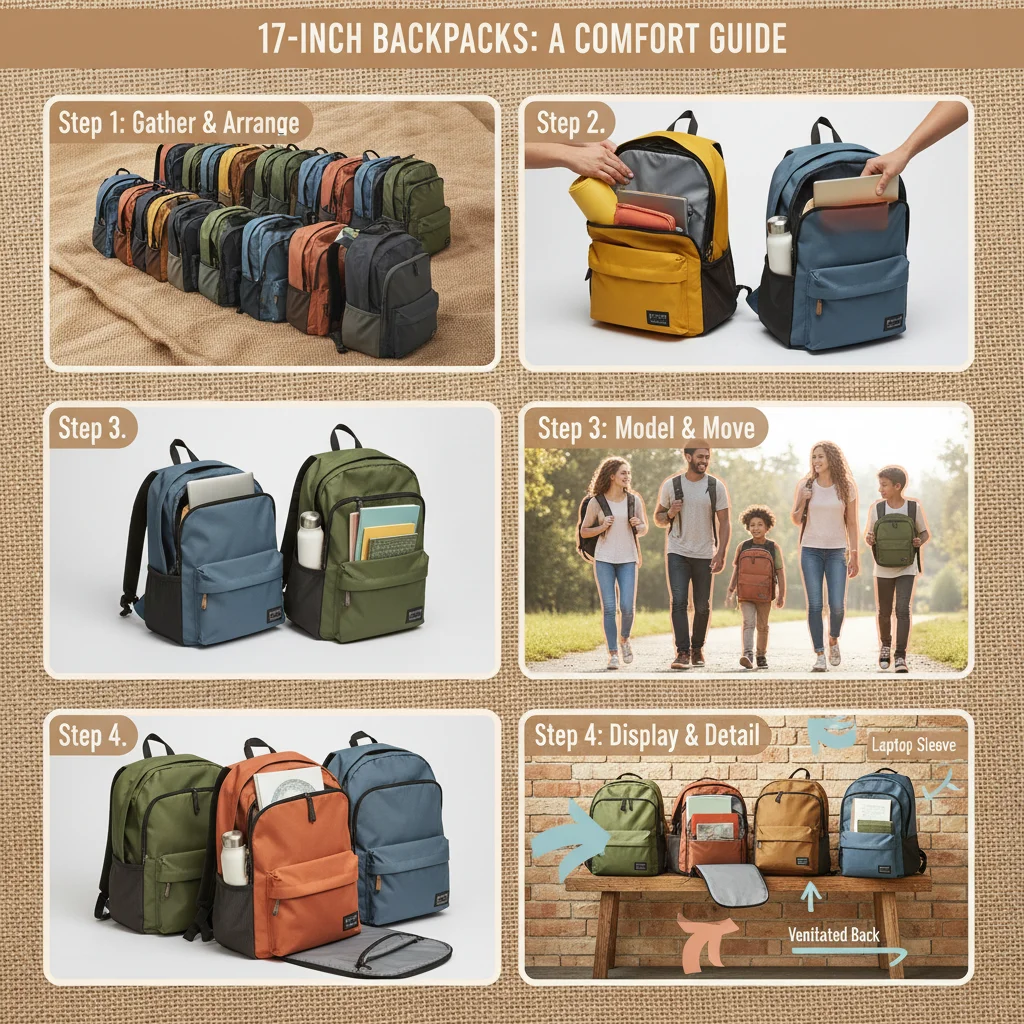
Ergonomics are a primary selling point for higher-priced bags. Features like S-curved shoulder straps, ventilated back panels, and sternum straps reduce physical strain. Products that can be marketed as "orthopedically friendly" generally have lower return rates and higher customer loyalty scores.
Absolutely, provided that the factory uses standardized templates for the base structure while customizing the exterior details (colors, logos, specific pocket layouts). This hybrid approach ensures that the structural integrity—the "core" of the bag—remains consistent across thousands of units.
Conclusion
In summary, the strategic understanding of various back pack types is the cornerstone of success in the luggage manufacturing and wholesale industry. By aligning material science, ergonomic design, and market-specific use cases, businesses can create products that don't just store items but enhance the user's mobility and quality of life. From the rugged durability of tactical gear to the sleek efficiency of urban packs, the diversity of the product line is the ultimate hedge against market volatility.
Looking ahead, the industry will be defined by the marriage of sustainability and smart technology. We encourage wholesalers and brands to invest in recycled materials and modular designs that offer long-term value to the consumer. As the global population becomes more mobile, those who provide the most versatile and durable carrying solutions will lead the market. To explore professional manufacturing and wholesale opportunities, visit our website: www.omaskafactory.com