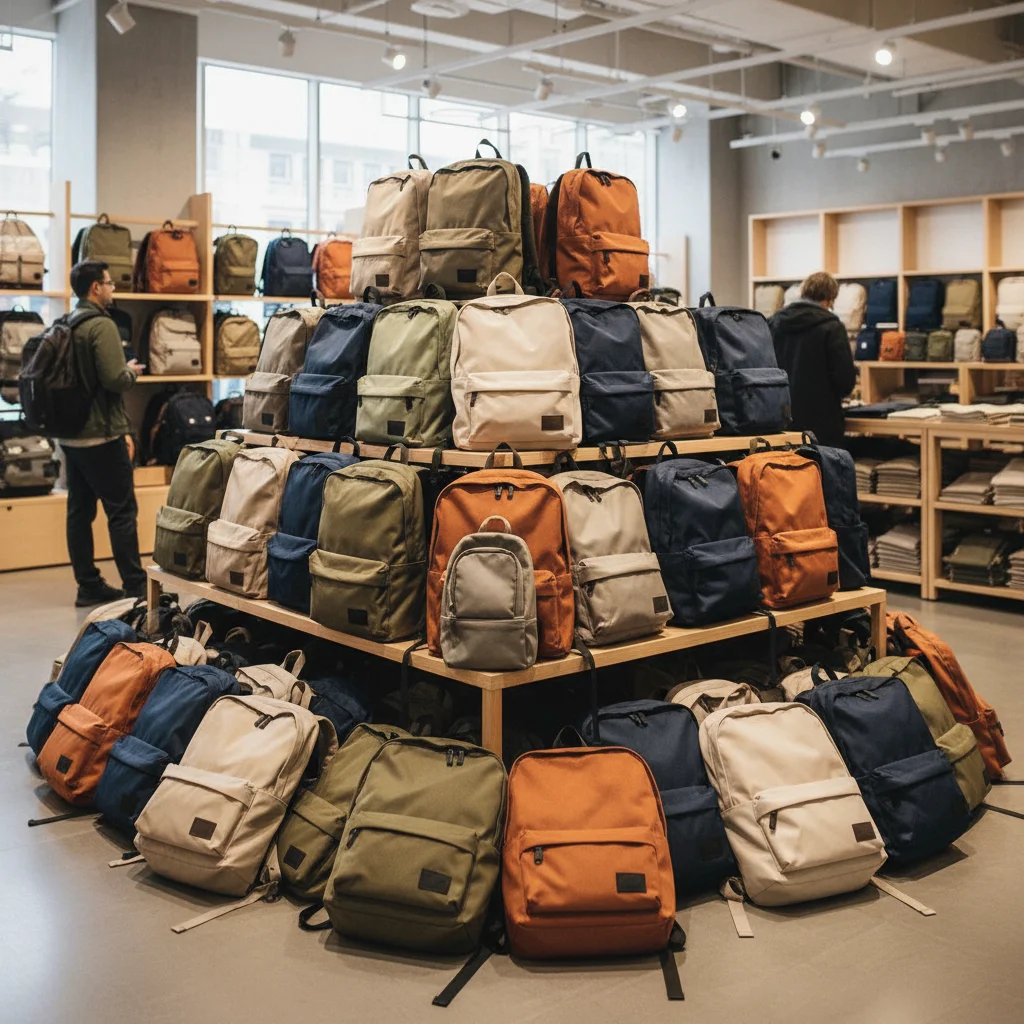
The modern demand for mobility has fundamentally reshaped how we perceive carry-gear, pushing the industry toward the development of the high-performance lightweight backpack. As urban commuters and outdoor enthusiasts seek a balance between utility and physical ease, the focus has shifted from merely providing storage to optimizing the weight-to-strength ratio of the materials used.
Across the global manufacturing landscape, the integration of advanced synthetic polymers has allowed for the creation of gear that resists wear while remaining virtually weightless. This evolution is not just about convenience; it is about ergonomic health, reducing spinal strain during long-duration travel, and increasing the agility of the user in diverse environments.
Whether navigating a crowded subway or trekking through remote trails, utilizing a lightweight backpack ensures that the burden of transport does not outweigh the joy of the journey. By combining a 20-35L capacity with eco-friendly nylon, modern design now solves the age-old conflict between durability and weight.

Global Demand for Lightweight Carry Solutions
The global shift toward "minimalist travel" and "digital nomadism" has spiked the demand for gear that does not hinder movement. Market trends indicate that users are increasingly rejecting heavy, over-engineered frames in favor of streamlined silhouettes that offer essential protection without unnecessary bulk.
In response, the manufacturing sector in Hebei, China, has optimized the production of the lightweight backpack, utilizing high-tenacity nylon to ensure that the bag remains portable while supporting a substantial 20-35L capacity.
Engineering the Perfect Balance of Weight and Space
Achieving a high capacity within a low-weight framework requires a precise understanding of volume optimization. A 20-35L capacity allows for the storage of daily school essentials, sports gear, or travel necessities, yet the total gross weight of the empty unit remains as low as 1.000 kg.
This balance is achieved through the strategic use of polyester lining and nylon exteriors, which provide a high strength-to-weight ratio. By eliminating redundant internal supports and focusing on a soft handle and flexible structure, the bag maximizes usable interior space.
Furthermore, the integration of an interior compartment ensures that the lightweight nature of the bag does not lead to disorganized storage. Users can maintain a structured internal environment, which is critical for those using the bag for professional or educational purposes.
Material Science in Modern Backpack Design
The selection of Nylon as the main material is pivotal for any high-quality lightweight backpack. Nylon is prized for its exceptional durability and inherent water-resistant properties, making it suitable for unpredictable outdoor environments and daily urban commutes.
To enhance the user experience, the breathable features of the fabric are paired with a polyester lining. This combination ensures that the lightweight backpack does not trap heat against the wearer's back, which is essential for sports and hiking applications.
Beyond the primary shell, the use of high-grade zippers and reinforced stitching ensures that the "lightweight" designation does not imply fragility. The goal is to create a durable, eco-friendly product that withstands the rigors of daily school life and outdoor exploration.
Performance Metrics and Efficiency Analysis
Evaluating the efficiency of a carry system involves analyzing how the weight of the bag affects the perceived load of the contents. A bag that is too heavy adds "dead weight," whereas a streamlined design focuses the user's energy on the cargo rather than the container.
Through rigorous testing of different material densities, we can quantify the performance of various configurations. The current model optimizes the intersection of waterproof capability, anti-theft features, and overall portability.
Performance Ratings of Lightweight Carry Systems
Versatile Applications Across Diverse Lifestyles
The versatility of the lightweight backpack makes it an ideal companion for various scenarios. For students, the 20-35L capacity easily accommodates textbooks and laptops, while the breathable straps ensure comfort during long walks across campus.
In the realm of outdoor sports and hiking, the waterproof nylon shell protects gear from sudden weather changes. Because the bag is portable and durable, it serves as an efficient storage solution for travel, allowing users to move quickly through airports or city streets without the fatigue associated with heavier luggage.
Ergonomics and the Arcuate Shoulder System
A key innovation in the design of this gear is the Arcuate Shoulder Strap system. Unlike straight straps that can dig into the trapezius muscles, the arcuate design follows the natural curve of the human shoulder, distributing the weight of the 20-35L load more evenly.
This ergonomic approach is critical for reducing the physical toll of daily use. By pairing these curved straps with a soft handle, the bag minimizes pressure points, which is especially important for users who carry their bags for several hours a day in school or during travel.
Combined with the breathable material, the carrying system ensures that air circulation is maintained, preventing the buildup of sweat and increasing overall comfort during high-activity sports or hiking trips.
Sustainability and the Future of Bag Manufacturing
The industry is moving toward eco-friendly production methods to reduce the environmental footprint of synthetic textiles. By utilizing sustainable Nylon and Polyester blends, manufacturers are creating a lightweight backpack that is not only durable but also mindful of the planet.
Future innovations are expected to focus on biodegradable polymers and recycled ocean plastics, further enhancing the "Eco Friendly" attribute of the product. The goal is to maintain the anti-theft and waterproof features while transitioning to a fully circular economy in bag manufacturing.
As digital transformation hits the factory floor in Hebei, automation is allowing for more precise cutting and stitching, which reduces material waste and ensures that every single item meets strict quality standards before delivery.
Analysis of Lightweight Backpack Material and Feature Specifications
| Feature Dimension | Technical Specification | User Benefit | Performance Score (1-10) |
|---|
| Main Material | High-Tenacity Nylon | Waterproof & Durable | 10 |
| Weight | 1.000 kg Gross | Reduced Physical Fatigue | 9 |
| Capacity | 20-35L Range | Versatile Storage | 8 |
| Strap System | Arcuate Shoulder Strap | Ergonomic Weight Distribution | 10 |
| Safety | Anti-Theft Design | Secure Transit/Travel | 8 |
| Environmental | Eco-Friendly Nylon | Lower Carbon Footprint | 9 |
FAQS
Yes, the 20-35L capacity is specifically designed for versatility. It provides ample room for a laptop, notebooks, and a change of clothes or sports gear, making it an ideal all-in-one solution for students and professionals who transition from work or school to the gym.
Standard straps are often linear, which can create pressure points on the shoulders. The arcuate system is curved to mirror the natural anatomy of the human shoulder, distributing the load more evenly and significantly reducing fatigue during long-term wear.
The nylon material is highly water-resistant and designed to protect your belongings from splashes and moderate rain. While it handles most outdoor conditions perfectly, for extreme torrential downpours, we recommend using a rain cover for total security.
The product utilizes eco-friendly nylon and polyester materials that prioritize reduced chemical waste during the dyeing process and a focus on durability, which prevents the "fast-fashion" cycle of frequent replacement and landfill waste.
It is excellent for day-hiking and light outdoor sports due to its breathable back and lightweight frame. For multi-day expeditions requiring heavy camping gear, a larger technical pack might be needed, but for 90% of outdoor leisure activities, this model is ideal.
To preserve the waterproof and durable nature of the nylon, we recommend spot cleaning with a damp cloth and mild soap. Avoid harsh chemicals or machine washing with high heat, which can degrade the synthetic fibers over time.
Conclusion
In summary, the modern lightweight backpack represents a perfect synergy of material science, ergonomic design, and functional utility. By integrating a 20-35L capacity with high-tenacity nylon and an arcuate shoulder system, this gear addresses the primary challenges of modern mobility: the need for durability without the burden of excess weight.
Looking forward, the continued evolution of eco-friendly materials and automated manufacturing will only further refine the efficiency of these carry solutions. For those seeking to optimize their daily commute or outdoor adventures, investing in high-performance, lightweight gear is not just a matter of style, but a commitment to long-term physical well-being and sustainability. Visit our website: www.omaskafactory.com