26 Jun 2026
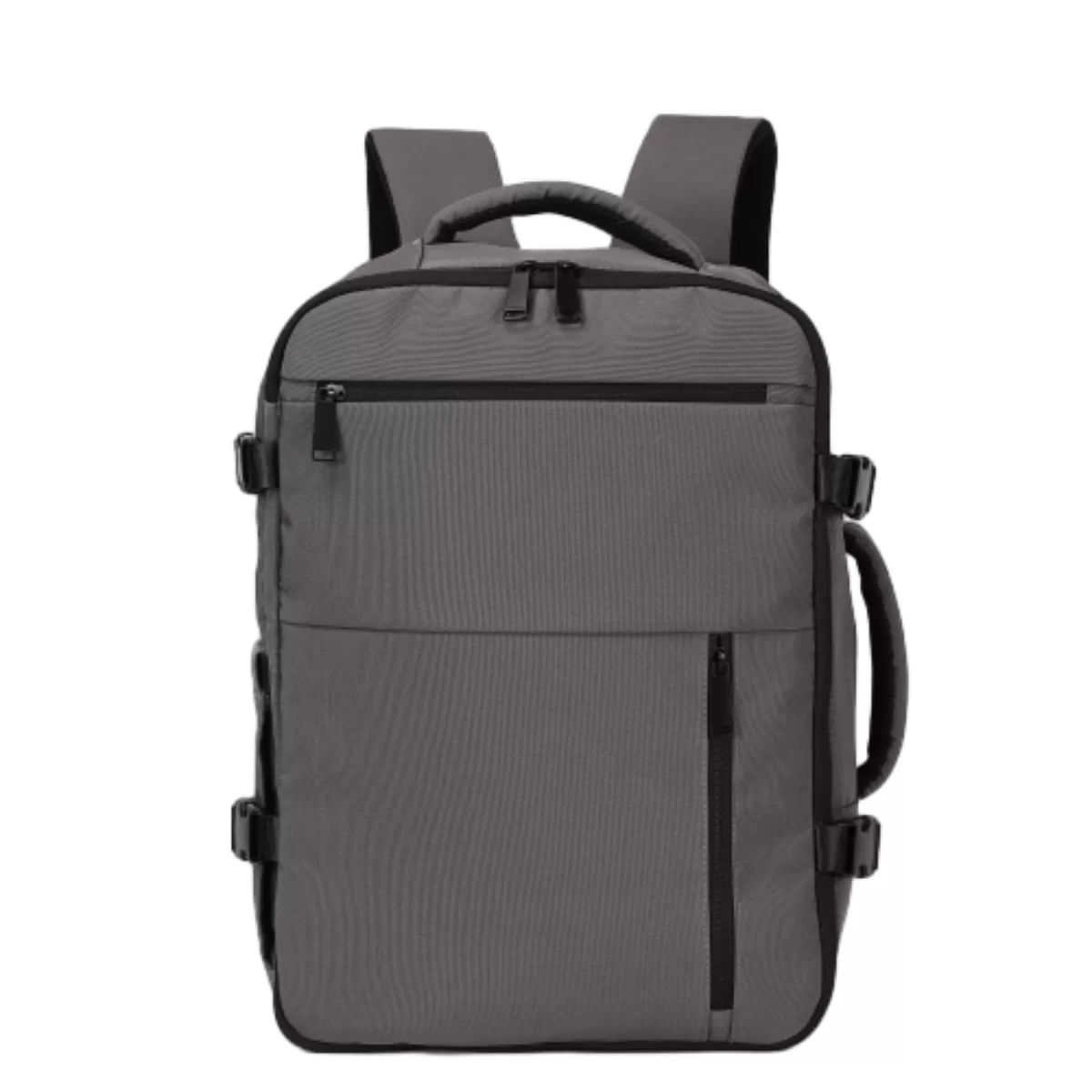
In an era where mobility and efficiency are paramount, finding the perfect light backpack is no longer just a preference—it is a necessity. Whether you are a digital nomad navigating through bustling airports or a weekend hiker seeking a minimalist setup, the weight of your gear directly impacts your experience. A well-engineered lightweight bag reduces physical strain on the shoulders and back, allowing for longer journeys and greater agility. In this guide, we will explore the critical factors that make a backpack truly "light" and how to balance weight reduction with essential durability for long-term use.

The secret to a high-performance light backpack lies in the textile science. Modern manufacturers have shifted from heavy canvas and thick polyesters to advanced synthetic fibers. Ripstop nylon and Cordura are industry favorites because they offer an incredible strength-to-weight ratio. These materials are woven in a way that prevents small tears from spreading, ensuring that the bag remains intact even under pressure. Furthermore, the integration of water-resistant coatings ensures that your belongings stay dry without adding the bulk of heavy rubberized layers, making the bag ideal for unpredictable weather conditions.
Pro Tip: Look for "denier" (D) ratings on fabric. A lower denier usually means a lighter fabric, but "Ripstop" technology allows lower denier fabrics to maintain high durability.
A light backpack is not just about the weight of the fabric, but how that weight is distributed across your body. Ergonomic shoulder straps with breathable mesh padding prevent overheating and friction. Additionally, an integrated sternum strap and hip belt are crucial for shifting the center of gravity, moving the load from the shoulders to the pelvis. This design philosophy reduces fatigue during long commutes and ensures that the bag stays stable during movement, which is essential for both urban exploration and outdoor adventures.
When choosing between different types of lightweight bags, it is important to understand the trade-offs between weight, durability, and cost. Not all lightweight options are created equal; some prioritize extreme weight reduction (ultralight), while others focus on "lightweight" versatility for daily use. The following table provides a detailed comparison to help you decide which category fits your specific needs.
One of the biggest challenges in designing a light backpack is maintaining organization without adding heavy dividers or thick linings. The modern solution is the use of strategic pocket placement and lightweight mesh organizers. By utilizing the perimeter of the bag for storage, designers can keep the weight centered and balanced. A dedicated laptop sleeve made of thin but protective foam allows for tech transport without the need for a separate heavy case. This streamlined approach to organization ensures that you can find your essentials quickly while keeping the overall weight of the bag to a minimum.

For B2B buyers and distributors, understanding the technical parameters is key to ensuring product quality. When sourcing a light backpack for mass production, focus on the certification of materials and the precision of the stitching. High-frequency welding and reinforced bar-tacking at stress points are indicators of a professional-grade product that will withstand the rigors of consumer use. Below are the standard specifications typically found in premium lightweight models.
Investing in a high-quality light backpack is an investment in your own comfort and efficiency. By choosing a bag that blends advanced materials, ergonomic design, and smart organization, you remove the physical burden of travel and focus more on the experience itself. For businesses, offering these lightweight solutions meets the growing consumer demand for minimalism and sustainable, high-performance gear. Explore the perfect blend of agility and strength for your next adventure today.
A lightweight backpack is designed for general use, balancing comfort, organization, and weight reduction. It is suitable for daily commutes or short trips. An "ultralight" backpack, however, is stripped of almost all non-essential features (such as thick padding or multiple pockets) to achieve the lowest possible weight, primarily catering to long-distance thru-hikers and extreme minimalists. Most users find that a standard light backpack provides the best compromise for versatility.
Yes, provided they are made from the right materials. High-grade Ripstop nylon and reinforced stitching allow a light backpack to carry significant loads without tearing. However, it is important to note that while the fabric may be strong, the lack of heavy-duty frames in some lightweight models means that extremely heavy loads may be less comfortable to carry than in a traditional trekking pack.
To maintain the longevity of your bag, avoid machine washing, as the harsh agitation can damage the water-resistant coatings. Instead, use a damp cloth with mild soap to spot-clean the surface. If the bag becomes heavily soiled, hand wash it in cool water and air dry it in the shade. Avoid direct sunlight for extended periods to prevent the synthetic fibers from degrading. This simple care routine ensures your light backpack remains in top condition for years.


Hit enter to search or ESC to close


If you are interested in our products, you can choose to leave your information here, and we will be in touch with you shortly.