
19 Nov 2025
You know, sometimes I look at the sheer variety of backpacks out there and just marvel. It’s not just about hauling books or a laptop anymore, is it? We've moved into an era where our bags are extensions of our lifestyle – especially when it comes to stepping away from the nine-to-five. Today, I want to chat about leisure backpacks and the more rugged, yet still stylish, active leisure options.
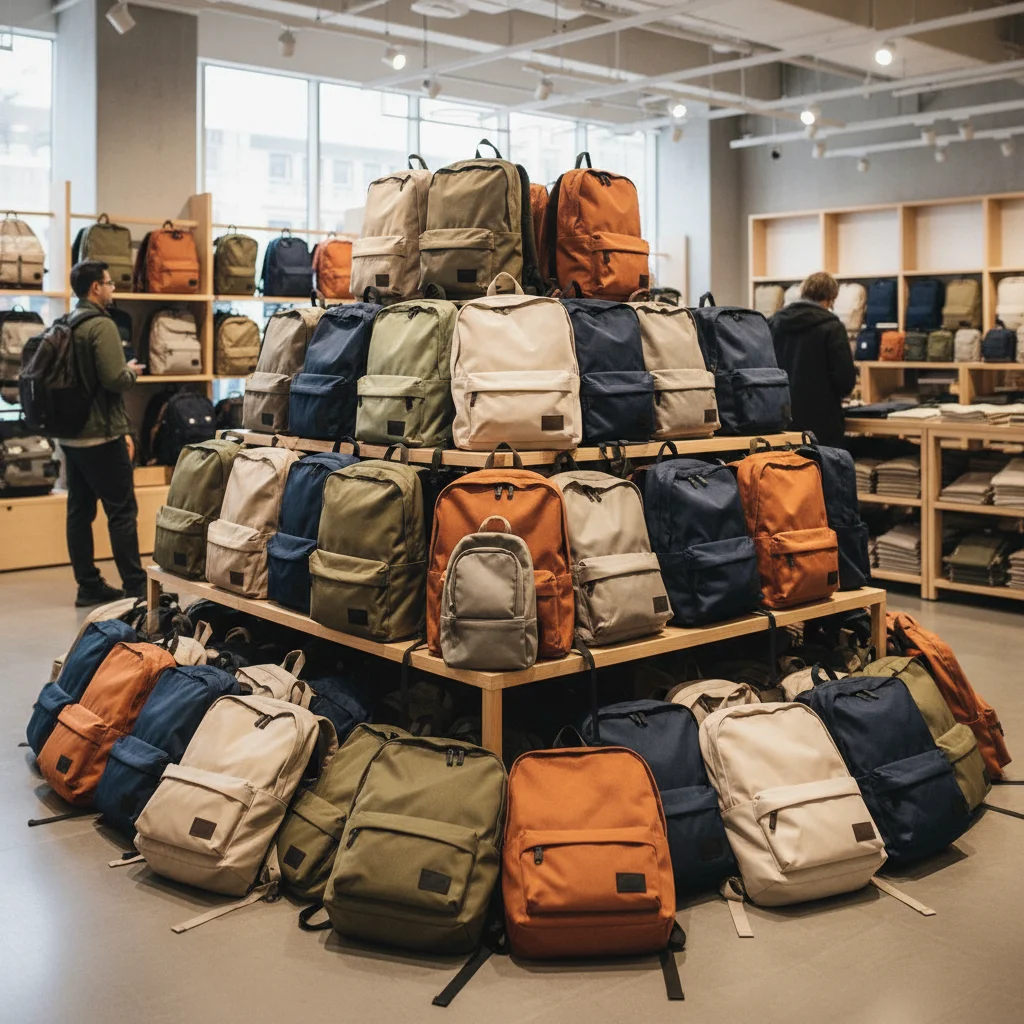
To be honest, the industry has really diversified. Gone are the days of one-size-fits-all. Current trends are leaning heavily into sustainability, with brands exploring recycled materials and eco-friendly manufacturing. We're also seeing a huge surge in modular designs and smart features – think integrated USB charging ports or hidden anti-theft pockets. It seems that consumers are demanding more than just capacity; they want thoughtful design that adapts to their varied needs, from urban commutes to weekend escapes. I mean, who doesn't appreciate a bag that works as hard as you play?
The Tech Under the Fabric: What Makes a Great Backpack?
Let's get a little technical, because frankly, it matters. What sets a good active leisure backpack apart from a flimsy one? It's often down to the materials and the craftsmanship. We're talking about robust fabrics like ripstop nylon or high-denier polyester, often treated with a DWR (Durable Water Repellent) coating to shed light rain. The zippers? Always look for YKK or similar high-quality brands – a stuck zipper is, in my opinion, one of life's truly annoying minor tragedies. And buckles, too, should feel solid, not brittle.
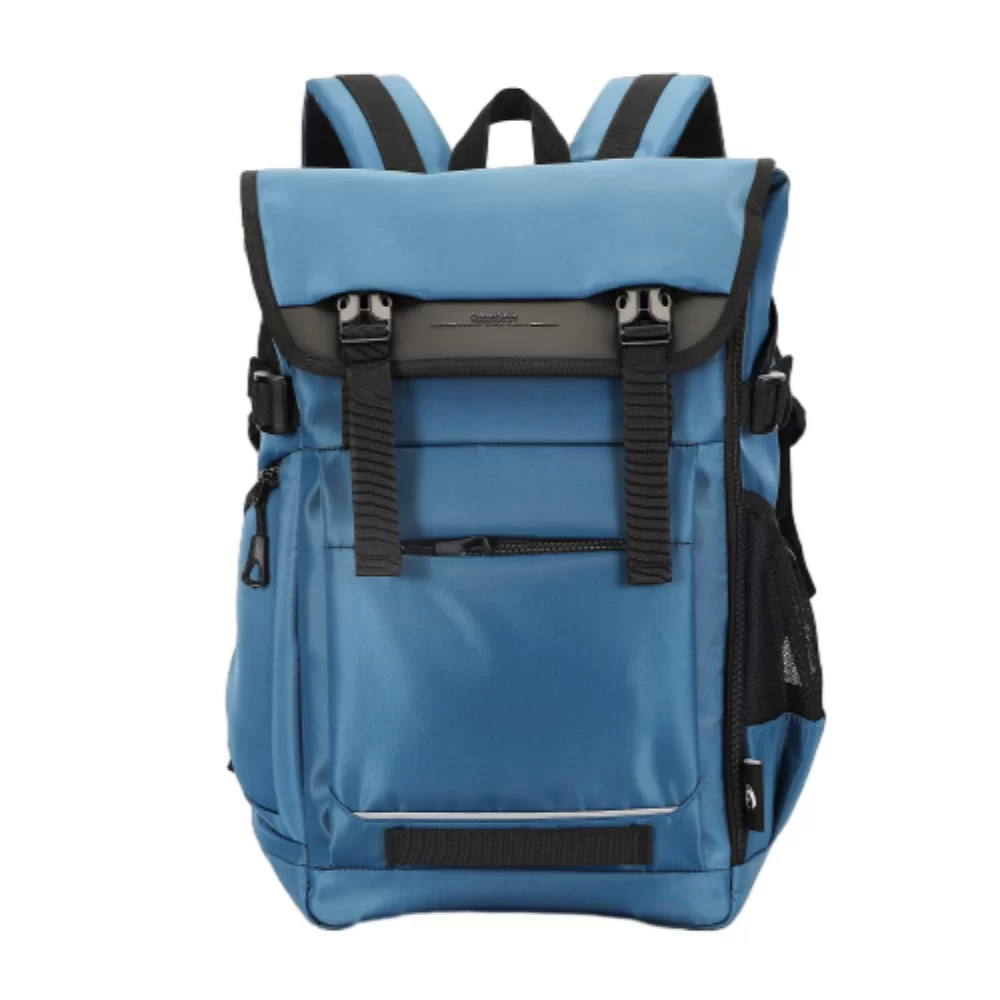
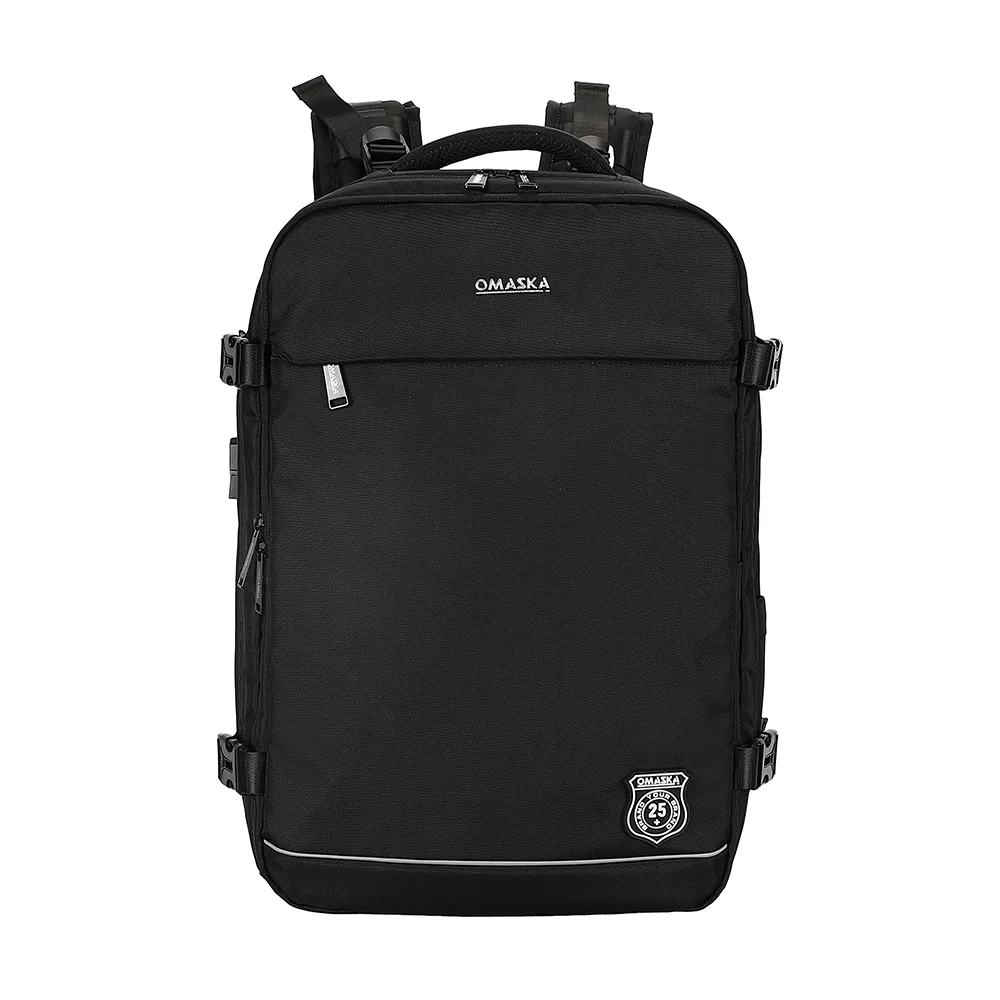
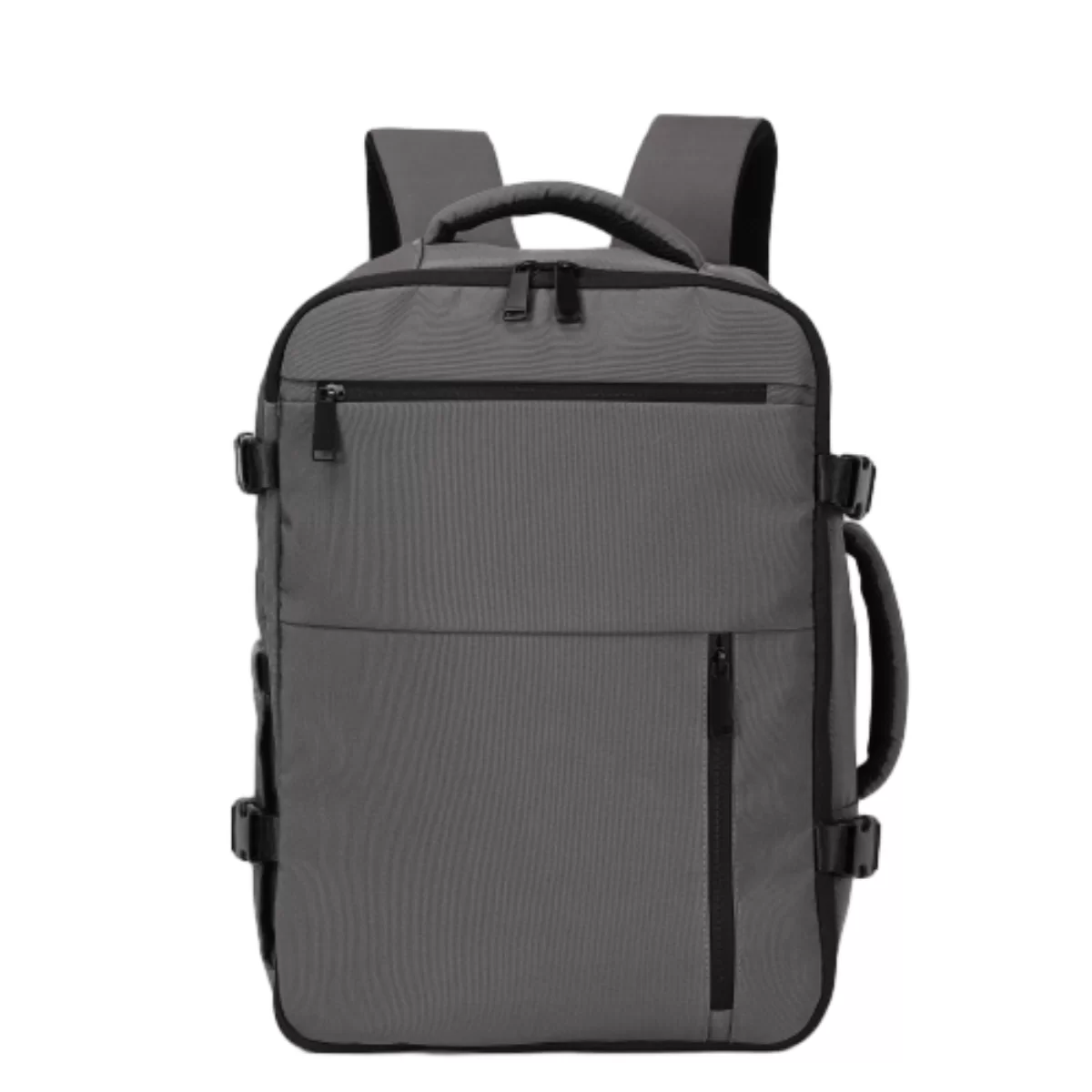
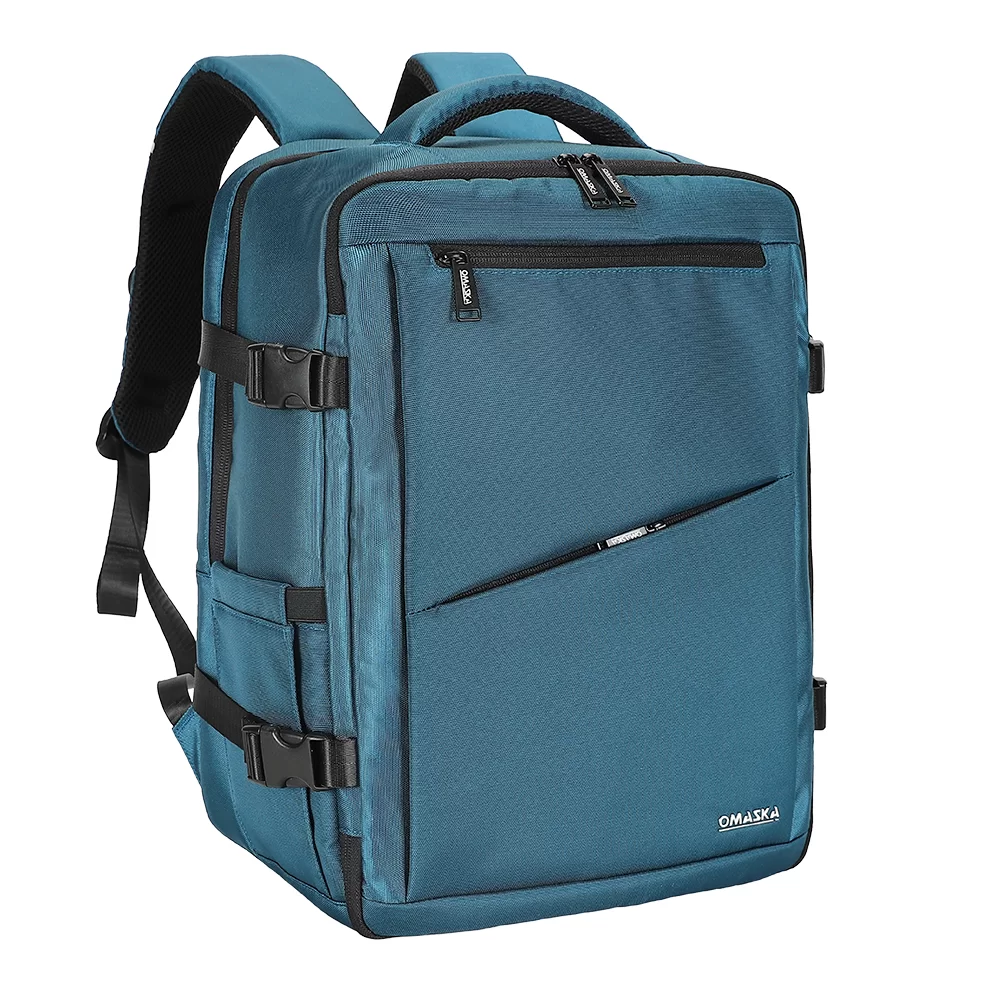
Take, for example, the Multifunctional Leisure Backpack 24136C. Its design philosophy is all about versatility. Ideal for everything from a day trip to a quick overnight, it boasts multiple compartments – because nobody likes digging endlessly for their keys, right? Its durability and water-resistant properties are key, and frankly, the padded straps and ergonomic back panel are non-negotiable for comfort during extended wear. Lightweight yet robust, it’s exactly what you need for hiking, sightseeing, or just navigating the urban jungle.
The manufacturing process for a quality leisure backpack is quite involved. It starts with design, often involving CAD software. Then comes meticulous material sourcing – ensuring ethical practices and quality standards. Fabrics are precisely cut, often by laser, to minimize waste. The pieces are then stitched together using industrial sewing machines, with critical stress points reinforced. Finally, each bag undergoes rigorous quality control, checking for seam integrity, zipper function, and overall finish. Believe me, a lot goes into making sure your bag doesn't fall apart mid-adventure.
How do we know a backpack is actually durable? Industry standards often dictate tests for fabric tensile strength, tear resistance (like ASTM D2261 for textiles), and water penetration (ISO 811). Many reputable manufacturers will also conduct real-world wear and tear simulations. Certifications for materials, like OEKO-TEX for textile safety, are also becoming more common, which is a great sign for consumers. The expected service life of a well-made active leisure backpack can range from 3-5 years with regular use, but honestly, I've had some last much longer with good care!
A Closer Look: Multifunctional Leisure Backpack 24136C
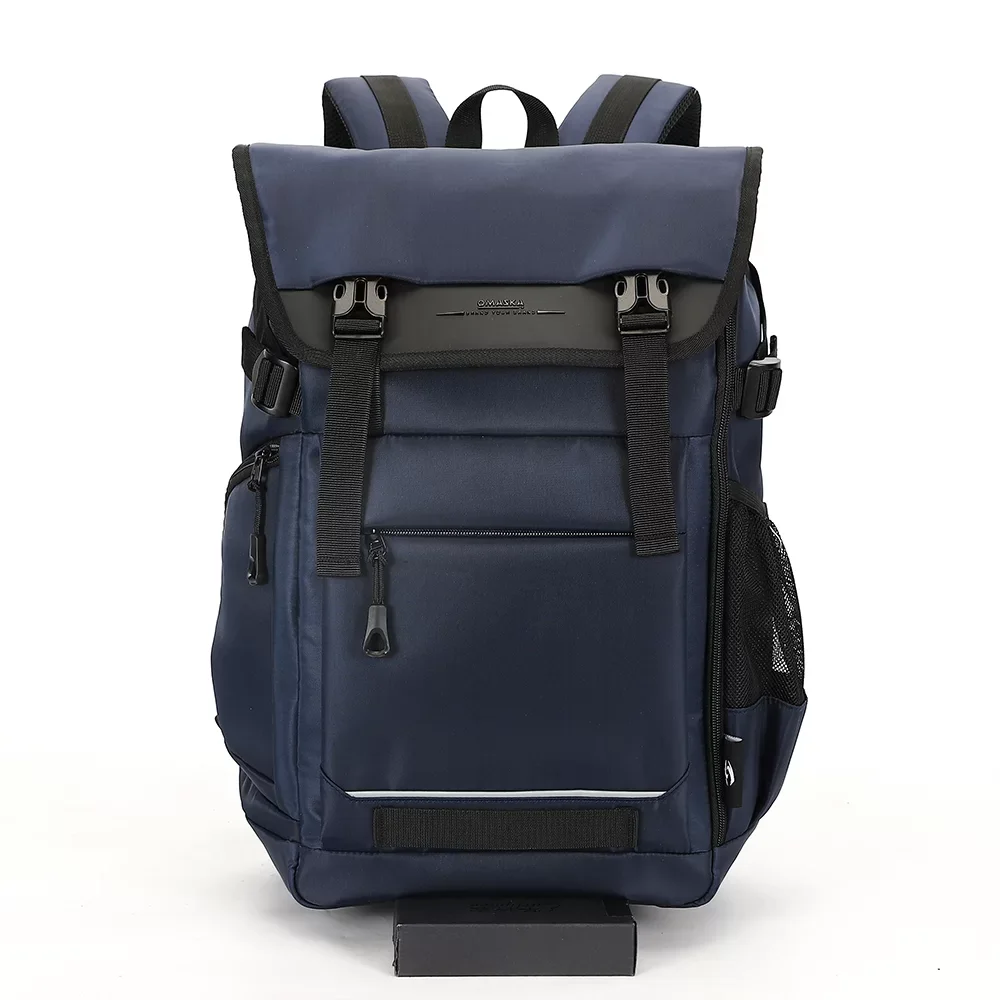
Feature | Specification / Detail |
Product Name | Multifunctional Leisure Backpack 24136C |
Intended Use | Outdoor adventures, travel, daily use, hiking, sightseeing, casual outings |
Key Features | Multiple compartments, organized storage, durable materials, water-resistant coating, padded straps, ergonomic back panel, lightweight |
Material (Typical) | High-denier polyester or nylon with DWR treatment |
Comfort | Padded shoulder straps, ergonomic back panel design for ventilation and support |
Water Resistance | Water-resistant coatings for protection against light rain and spills |
Durability | Robust construction, reinforced stitching at stress points; real-world use may vary |
Vendor Philosophies: A Quick Comparison
When choosing a leisure backpack, it's not just about the specific bag but also the brand's ethos. Different manufacturers excel in different areas, offering unique advantages. Here's a quick, generalized look:
Vendor Type (Example) | Focus / Strengths | Typical Price Point |
Outdoor Specialist (e.g., Osprey, Deuter) | Ergonomics, ventilation, trail-specific features, heavy-duty materials, extended warranties. | Higher |
Urban Lifestyle (e.g., Herschel, Fjallraven) | Style, aesthetics, organization for tech/daily essentials, often durable canvas/poly blends. | Mid to High |
Value/General Purpose (e.g., many OEM/ODM) | Practicality, affordability, decent features for general use, good for those on a budget. | Lower to Mid |
Tech/Travel Innovators (e.g., Peak Design, Nomatic) | Modularity, specific tech compartments, advanced anti-theft, integrated travel features. | Higher |
Final Thoughts: Your Adventure, Your Bag
Ultimately, the best active leisure backpack for you is one that fits your specific needs and adventures. Whether you're a minimalist urban explorer or a weekend trail blazer, there's a bag out there. Customer feedback consistently highlights comfort, organizational features, and durability as top priorities. It's not just about looking good; it's about reliable functionality. I guess what I'm trying to say is, invest in a bag that genuinely enhances your leisure time, rather than hindering it. After all, life's too short for uncomfortable, unorganized adventures.
Hope this deep dive gives you some food for thought next time you're on the hunt for your next perfect carry-all!
Authoritative Citations:
1. ASTM International. (n.d.). ASTM D2261/D2261M - 17 Standard Test Method for Tearing Strength of Fabrics by the Tongue (Single Rip) Procedure (Constant-Rate-of-Extension (CRE) Type Tensile Testing Machine). Retrieved from https://www.astm.org/d2261_d2261m-17.html
2. International Organization for Standardization. (n.d.). ISO 811:2018 Textiles — Determination of resistance to water penetration — Hydrostatic pressure test. Retrieved from https://www.iso.org/standard/70364.html
3. OEKO-TEX. (n.d.). STANDARD 100 by OEKO-TEX®. Retrieved from https://www.oeko-tex.com/en/our-standards/standard-100-by-oeko-tex
Hit enter to search or ESC to close


If you are interested in our products, you can choose to leave your information here, and we will be in touch with you shortly.