
05 Dec 2025
Hard luggage has become an indispensable part of how we travel and transport goods globally. Oddly enough, despite being something we often overlook, this category of suitcases and containers plays a massive role—not just in helping tourists or business travelers move securely, but also in industries like humanitarian aid and global logistics where durability and reliability are truly non-negotiable.
In an increasingly connected world, the movement of people and goods happens at a scale that’s difficult to even fathom. According to the World Tourism Organization, international tourist arrivals reached 1.4 billion in recent years, many of whom rely on durable, protective luggage. Beyond leisure, organizations such as the United Nations and the Red Cross use hard luggage and cases for storing and transporting essential supplies in remote or disaster-affected areas.
Yet challenges persist. Rough transportation infrastructure, security concerns, and the rising demand for eco-friendly yet durable materials mean hard luggage design is not just a matter of style—it’s an evolving technical field. Sturdy, weather-resistant, and tamper-proof luggage helps address theft, damage, and inefficiency globally.
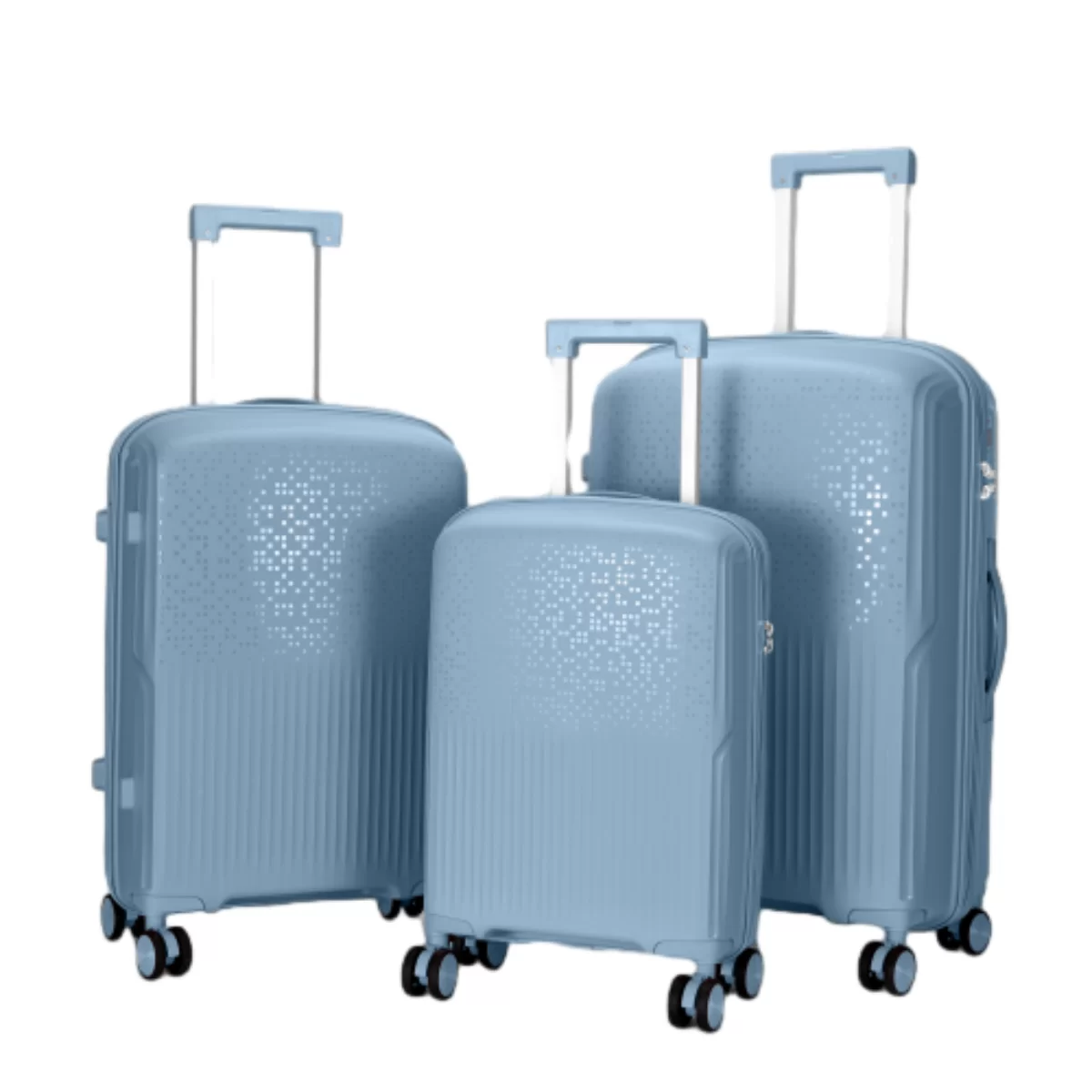
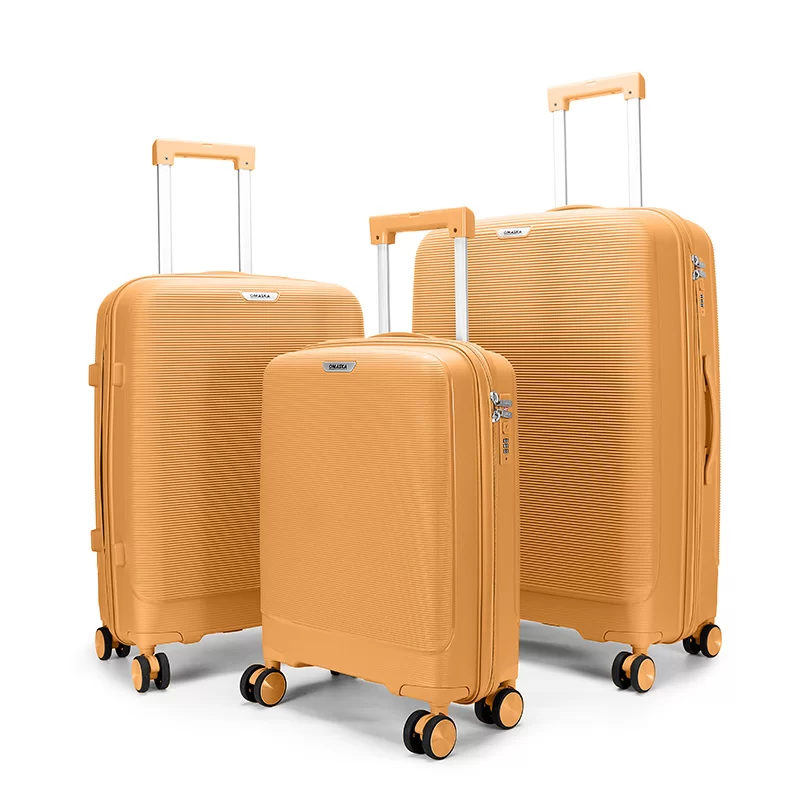
Put simply, hard luggage refers to suitcases, briefcases, and containers made from rigid materials such as polycarbonate, aluminum, or ABS plastic. Unlike soft luggage, which is flexible and fabric-based, hard luggage offers a protective shell that shields contents from impacts, moisture, and other hazards.
Today, hard luggage isn't just for the average traveler. Industries rely on it to safely move everything from delicate electronics to medical supplies. In humanitarian missions, for example, hard luggage ensures critical equipment arrives intact, ready to be deployed.
Hard luggage usually features thick shells and reinforced corners, making it highly resistant to drops and knocks. For frequent flyers or industrial use cases, this longevity dramatically cuts replacement costs.
Materials like polycarbonate strike a fine balance, being tough but relatively lightweight—crucial for meeting airline weight restrictions and keeping users comfortable.
Today’s hard luggage often includes TSA-approved locks and anti-theft zippers, providing peace of mind during transit, especially in international travel.
Seamless designs and sealed zippers help protect contents from rain, snow, or accidental spills.
Modular interiors and expandable compartments adapt to varying travel needs, giving users flexibility.
| Feature | Details |
|---|---|
| Shell Material | Polycarbonate / ABS / Aluminum |
| Weight | 2.5 to 4.5 kg (varies by size) |
| Lock Type | TSA-approved combination locks |
| Water Resistance | IPX4 splash resistant |
| Warranty | 5 to 10 years (manufacturer dependent) |
Hard luggage is no longer confined to airports and hotels. For instance, in humanitarian relief operations—say after earthquakes or floods—NGOs use rugged hard cases to ship medicines, communication gear, and food supplies. In the remote industrial zones of Africa and South America, equipment protected by hard luggage can withstand dusty, humid, or rough handling conditions, ensuring vital projects continue undisrupted.
Meanwhile, airports and freight companies leverage hard containers to safeguard cargo on conveyor belts or in cargo planes.hard luggage thus acts as a silent workhorse, making modern commerce and aid possible.
Cost efficiency: While initial prices can be higher, fewer replacements mean savings over time.
Sustainability: Increasingly, manufacturers use recyclable or biodegradable plastics—great for reducing your carbon footprint.
Safety & Dignity: Protecting personal and professional belongings from damage or loss fosters peace of mind and confidence.
Reliability: Hard luggage is trusted across industries, reinforcing a sense of innovation and progress.
One exciting trajectory is the integration of smart technology—GPS tracking, biometric locks, and digital weight sensors embedded right into the shell are becoming more common. Oddly enough, there’s also a growing emphasis on sustainability, with bio-based polymers and energy-efficient production methods.
Automation in manufacturing means better quality control and design customization. Who knows? The next time you buy a suitcase, it might auto-lock when you walk away or charge your phone on the go.
It’s not all smooth sailing. Hard luggage can weigh more than fabric alternatives, and sometimes the shells crack under extreme forces. Plus, production costs and environmental concerns remain barriers. Engineers and designers are working on lighter composites and hybrid models that combine the best of both worlds. Importantly, many vendors are improving warranty services and offering repair options to reduce waste.
| Brand | Material | Weight (kg) | Warranty | Price Range |
|---|---|---|---|---|
| Samsonite | Polycarbonate | 3.4 | 10 years | $150 - $450 |
| Rimowa | Aluminum | 4.2 | 5 years | $600 - $1500 |
| Away | Polycarbonate | 2.7 | Limited Lifetime | $225 - $350 |
Ultimately, hard luggage is not just another travel accessory. It’s a thoughtfully engineered, evolving product that safeguards your belongings and supports global industries you might not immediately associate with suitcases. Investing in high-quality hard luggage—whether for frequent trips or critical cargo deployments—pays off through durability, security, and peace of mind.
If you want to explore some top-grade solutions and innovative designs, feel free to visit us at hard luggage. After all, your gear deserves the best protection.
Mini takeaway: Choosing the right hard luggage is about matching durability, weight, security, and style to your unique needs—whether leisurely or professional—and the market keeps improving quickly.
Hit enter to search or ESC to close


If you are interested in our products, you can choose to leave your information here, and we will be in touch with you shortly.