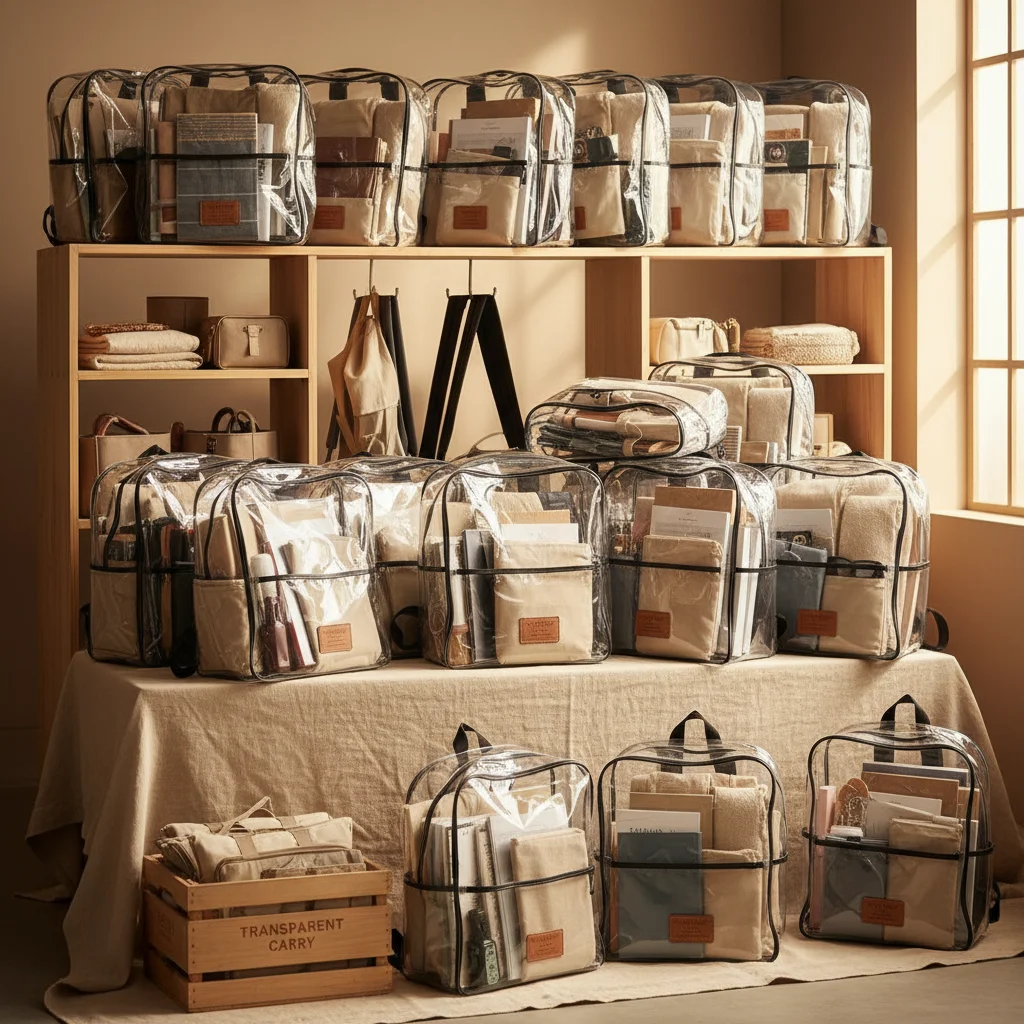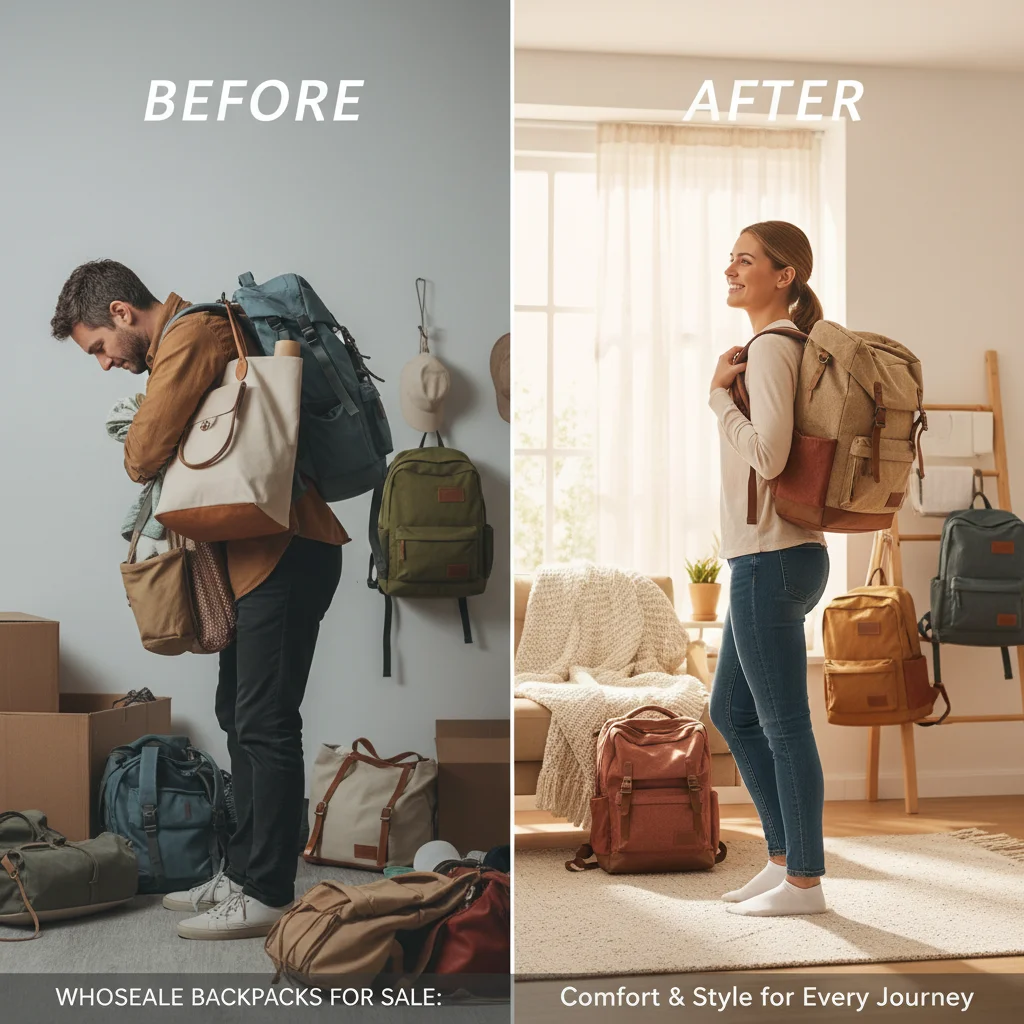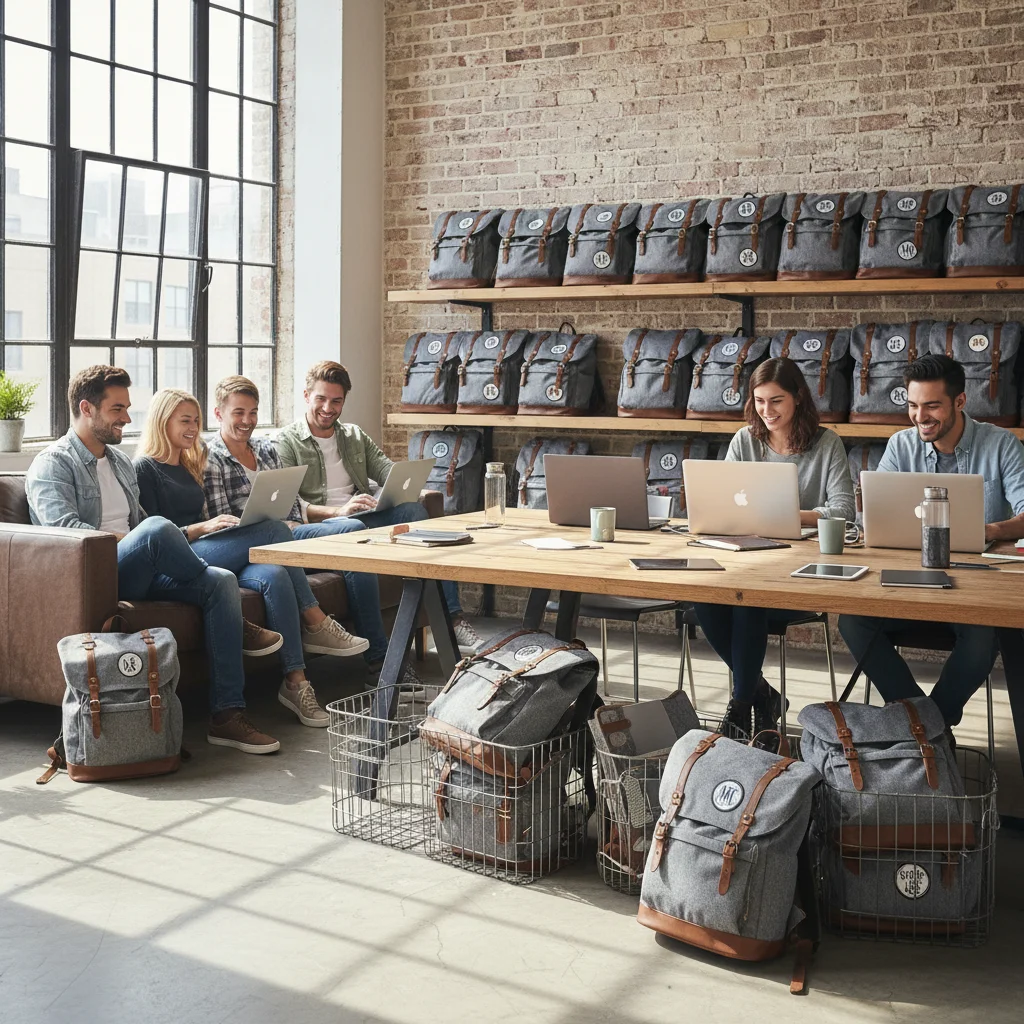
Look, I've been running around construction sites all year, getting my hands dirty with materials, talking to engineers… honestly, the industry's been buzzing about efficiency and modularity. Everyone wants things faster, cheaper, and easier to put together. It’s a good goal, don’t get me wrong, but there's a lot of hype and not always a lot of substance. People are throwing around terms like “prefabrication” and “lean construction” like they've invented sliced bread. And that’s where the omaska backpack comes in. It’s not glamorous, but it's a damn good solution for getting stuff where it needs to be, reliably.
You know what I’ve noticed? Designers love to overthink things. They get so caught up in making something “innovative” they forget about basic usability. A seemingly simple backpack can become a nightmare if the access points are awkward or the material can’t handle the abuse a real job site dishes out. It's happened to me so many times. Last year, I encountered a backpack at a factory in Jiangsu that had these fancy magnetic closures... looked great in the showroom, but the magnets popped open every time someone bumped into it. A total waste of time and money.
The omaska backpack isn’t about fancy gimmicks. It’s about using the right materials. We’re talking 1680D ballistic nylon – yeah, that's the stuff they used to make flak jackets. Feels tough, smells a little like chemicals when you first get it, but that fades. It’s surprisingly lightweight for how durable it is. The buckles are from Duraflex, you can tell they’re good quality just by the click. And we use YKK zippers, naturally. You don’t mess with YKK. It’s a bit more expensive upfront, but the cost of a broken zipper on a remote site? Forget about it.
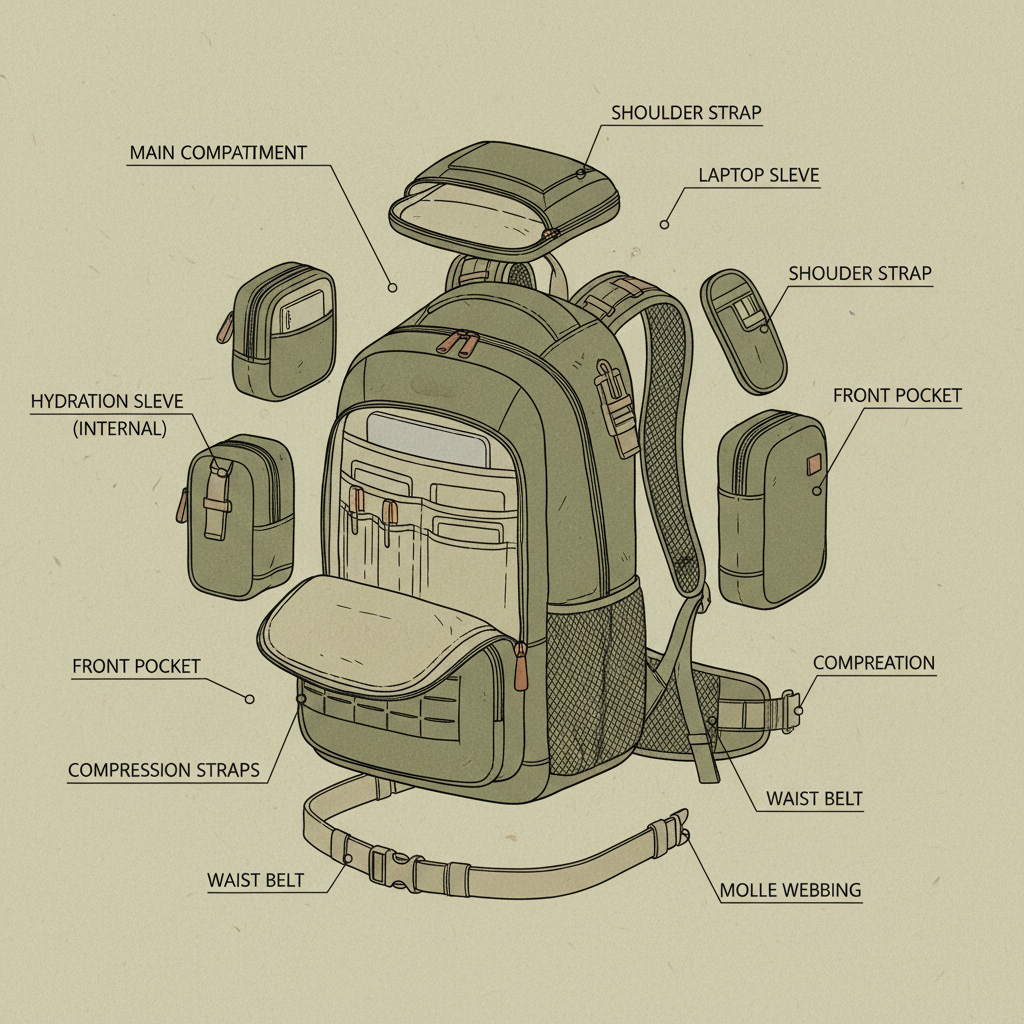
We don’t just rely on lab tests, though those are important too. We throw these backpacks into the back of trucks with concrete mixers, let the electricians use them as a workstation, even let the painters spill stuff on them. Strangely, the paint acts as a decent protective layer. We've seen some pretty rough treatment and the omaska backpack has held up surprisingly well. The real test is if it can survive a week on a construction site without falling apart. And, believe me, construction sites are brutal.
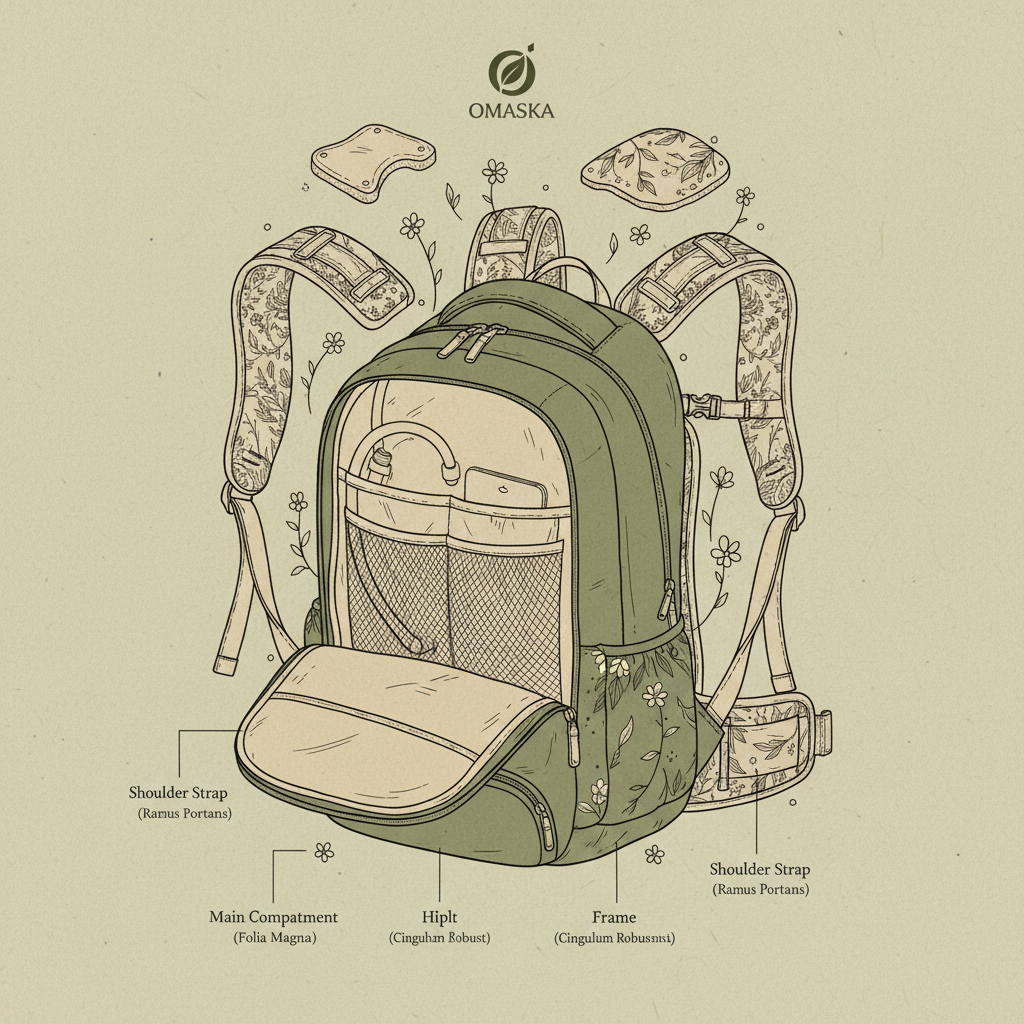
It's a simple design – multiple compartments, reinforced base, comfortable straps. It’s meant to carry tools, blueprints, safety gear, whatever. It's not trying to be a fashion statement.
Honestly, it’s not about flashy features. It’s about the combination of durability, thoughtful design, and real-world testing. We prioritize using high-quality materials like 1680D ballistic nylon and YKK zippers because we know those things matter on a tough job site. It’s designed to withstand abuse and keep your gear safe. Most other work backpacks cut corners on materials, and they just don’t last.
It’s water-resistant, not waterproof. It'll handle a light drizzle or a splash, but if you submerge it in water, things will get wet. We treat the nylon with a durable water repellent (DWR) coating, which helps beads up water, but it's not a complete barrier. For heavy rain, you'll want to use a rain cover. To be honest, expecting a backpack to be fully waterproof is unrealistic for most work applications.
Yes, absolutely. We offer customization options, including company logo embroidery or printing, color changes for straps, and even internal layout modifications. We can add extra pockets, dividers, or a dedicated laptop compartment, depending on your needs. Just keep in mind that customization may affect lead times and pricing. That Shenzhen boss, I mentioned earlier… he wanted everything customized. It was a headache.
We recommend a maximum weight of 30lbs (approximately 13.6kg). While the backpack can technically handle more, exceeding that weight can strain the straps and stitching, reducing its lifespan. We've tested it with up to 40lbs, but it's not something we recommend doing regularly. It's not about breaking; it’s about long-term durability.
We offer a one-year warranty against defects in materials and workmanship. That means if the seams come apart, the zippers break, or the buckles fail under normal use, we’ll replace the backpack. It doesn’t cover normal wear and tear or damage caused by misuse. To be clear, throwing it off a roof doesn’t count! We stand behind our products, but we also expect people to use them responsibly.
It's relatively easy to clean. You can wipe it down with a damp cloth and mild soap. For tougher stains, you can use a brush and a bit more soap. Avoid using harsh chemicals or abrasive cleaners, as those can damage the nylon. Honestly, most of the dirt just brushes off. These things get filthy on a construction site, but they’re surprisingly resilient.
Ultimately, the omaska backpack isn’t about bells and whistles. It’s about building something tough, reliable, and practical. It’s about using quality materials, paying attention to detail, and listening to the people who actually use it every day. It’s a product designed for the real world, not a showroom.
Whether it works or not isn't something I can tell you, or the sales team can tell you, or the designer can tell you. It's the worker who tightens the straps and loads it up who'll know the moment he starts using it. That's the bottom line. Visit our website at omaska backpack to learn more.

Hit enter to search or ESC to close


If you are interested in our products, you can choose to leave your information here, and we will be in touch with you shortly.