Backpack wholesale is a critical component of global supply chains, serving diverse sectors from education and outdoor recreation to emergency relief and military applications. The efficient sourcing and distribution of backpacks are essential for organizations seeking cost-effective solutions for large-scale needs. Understanding the nuances of backpack wholesale, including quality control, logistical considerations, and emerging trends, is paramount for businesses and humanitarian groups alike. This understanding translates into better resource allocation, enhanced operational efficiency, and ultimately, improved outcomes for end-users.
The global backpack market is a multi-billion dollar industry, fueled by consistent demand and evolving consumer preferences. The wholesale sector plays a vital role in bridging the gap between manufacturers and retailers, offering economies of scale and streamlined procurement processes. However, challenges such as fluctuating material costs, complex international trade regulations, and the need for sustainable sourcing practices demand a strategic approach to backpack wholesale. Successfully navigating these challenges requires deep market knowledge and strong supplier relationships.
Effective backpack wholesale isn't just about price; it's about securing quality products, ensuring timely delivery, and maintaining a reliable supply chain. It's a cornerstone of preparedness for organizations responding to emergencies and a key factor in equipping students, travelers, and professionals with the tools they need for daily life. The significance of a well-managed backpack wholesale operation is often unseen, but its impact is far-reaching and essential.
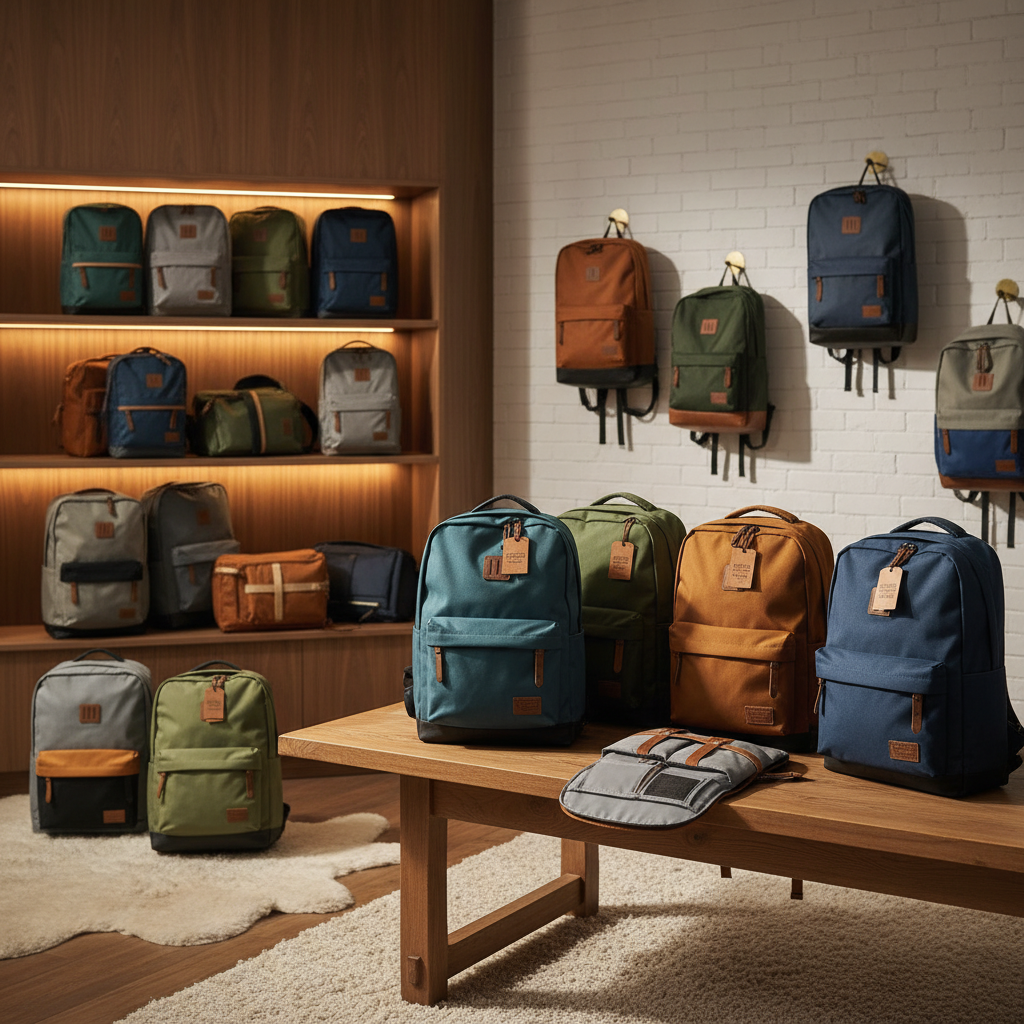
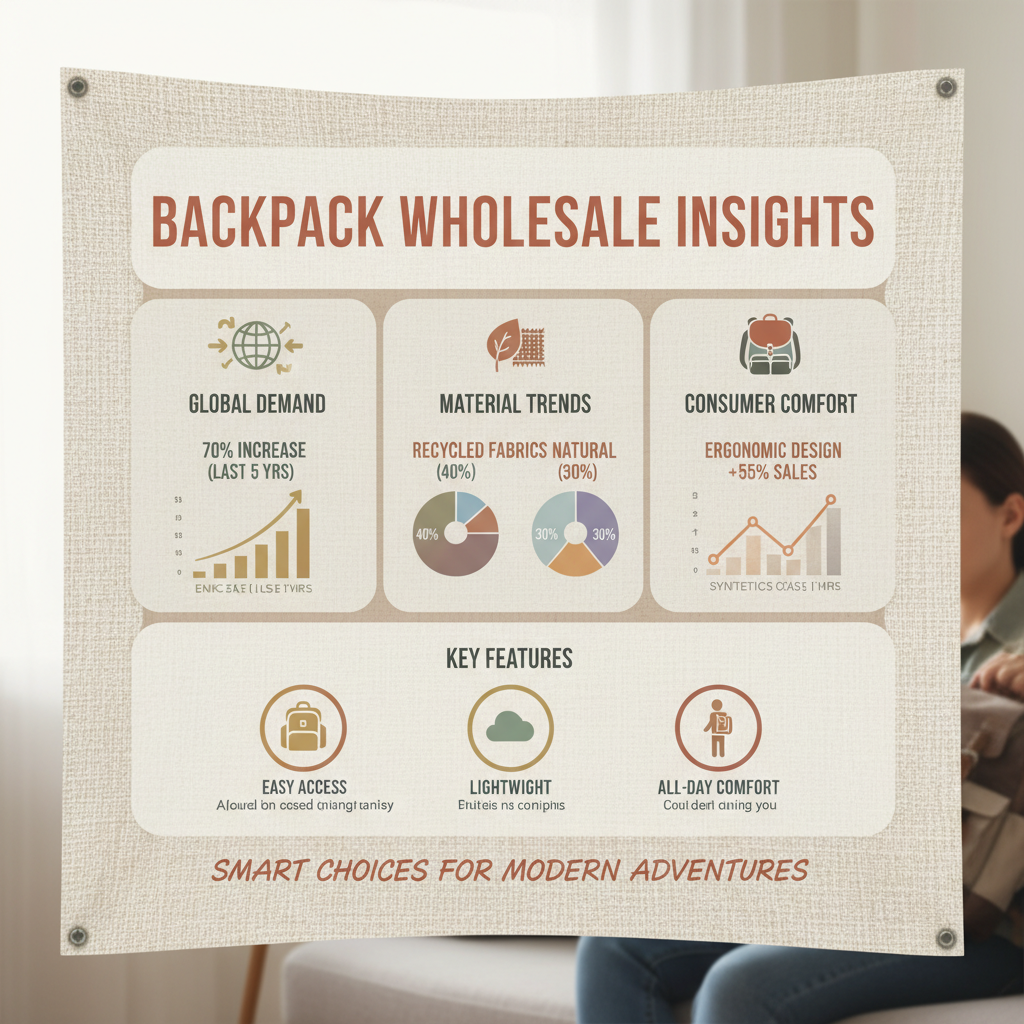
Backpack wholesale fundamentally involves the purchase of backpacks in bulk directly from manufacturers or distributors, typically for resale or large-scale distribution. This contrasts with retail purchasing, where individual items are bought for personal use. The scale of these transactions allows for significant discounts and tailored solutions for businesses, schools, and organizations requiring substantial quantities.
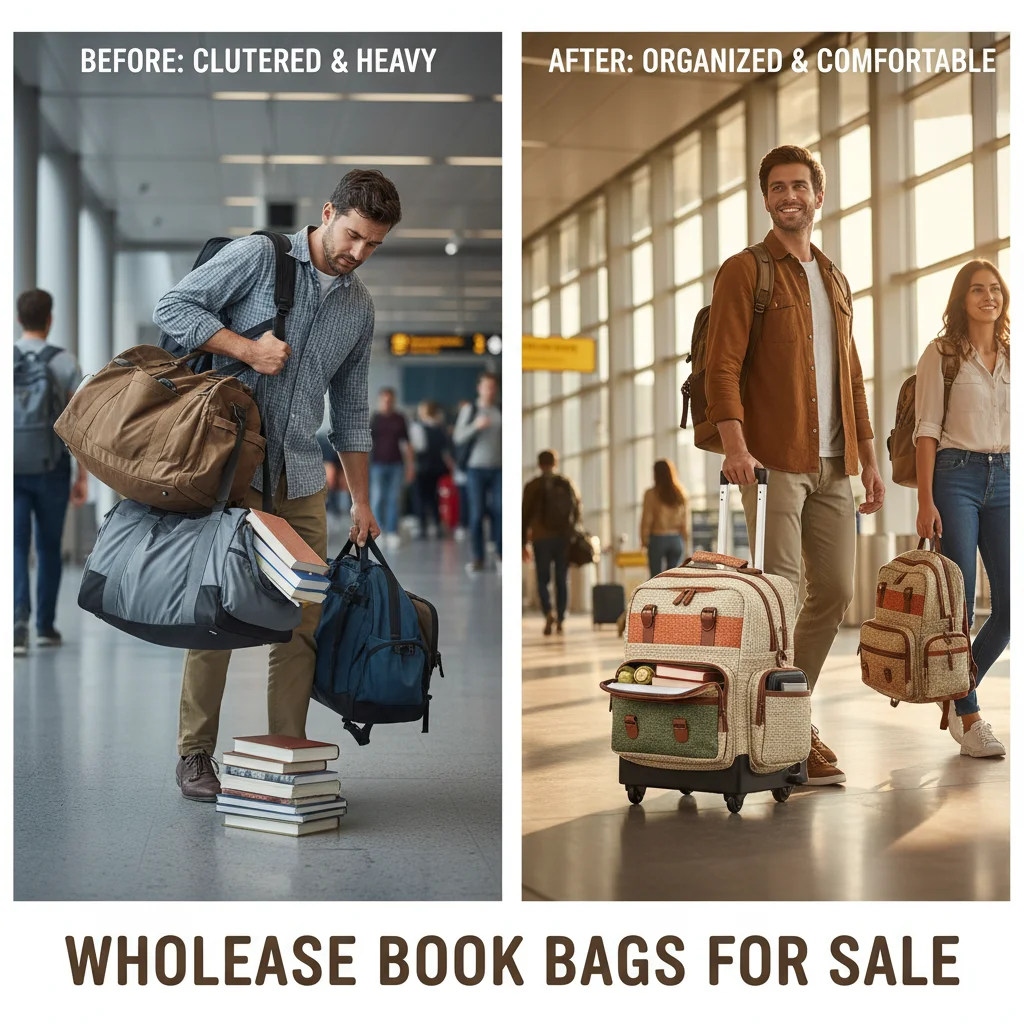
The practice of backpack wholesale is essential in ensuring that vital resources are available to those who need them, whether it's students needing school supplies, hikers requiring durable outdoor gear, or relief organizations responding to emergencies. It fuels economic activity, supports manufacturing industries, and plays a critical role in global trade networks.
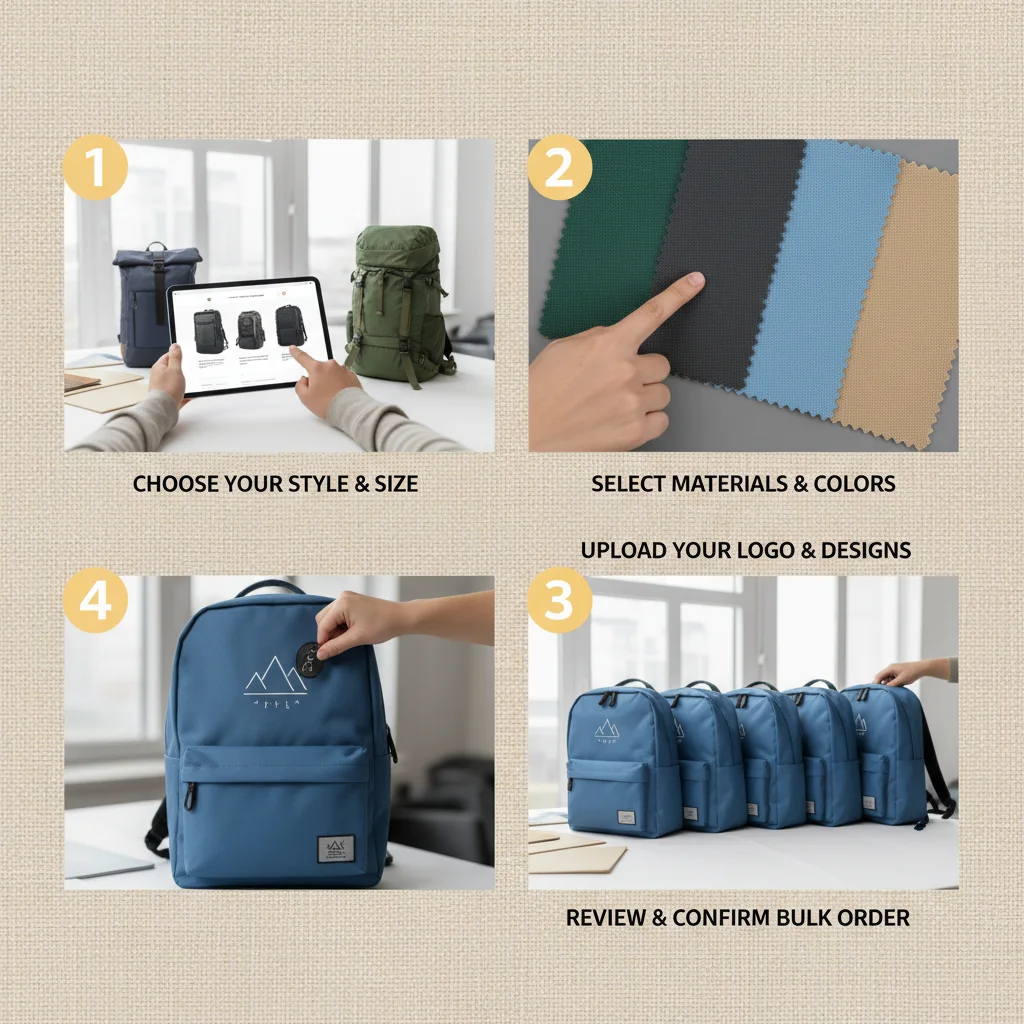
Selecting the right backpack wholesale supplier requires careful consideration of several factors. These include product quality, price competitiveness, minimum order quantities, shipping costs, lead times, and the supplier’s reputation. It's also crucial to assess their production capacity, quality control procedures, and ability to handle customization requests. Thorough due diligence, including requesting samples and checking references, is essential for making an informed decision.
Ensuring quality involves multiple steps. Start by requesting samples before placing a large order to inspect the materials and workmanship. Look for suppliers with established quality control certifications, such as ISO 9001. Clearly define your quality expectations in the purchase agreement and conduct regular inspections throughout the production process. A robust quality assurance process will minimize returns and maintain customer satisfaction.
Minimum order quantities (MOQs) vary significantly depending on the supplier, the type of backpack, and the customization requirements. Generally, MOQs can range from a few hundred to several thousand units. It’s crucial to inquire about MOQs upfront and negotiate if possible, especially if you’re a smaller business. Some suppliers may offer lower MOQs for standard designs, while higher MOQs are required for customized orders.
Common payment terms include a percentage upfront as a deposit (typically 30-50%), with the remaining balance paid before shipment or upon receipt of goods. Letters of credit (LCs) are also frequently used for larger transactions, providing security for both the buyer and the seller. Negotiating favorable payment terms is an important part of the wholesale process. It’s also wise to understand the suppliers policy regarding refunds and dispute resolution.
Navigating international shipping and customs requires careful planning. Work with a reputable freight forwarder who can handle all aspects of the shipping process, including documentation, customs clearance, and insurance. Be aware of import duties, taxes, and regulations in your country and the supplier’s country. Proper documentation, such as invoices and packing lists, is essential for smooth customs clearance. Consider using Incoterms to define the responsibilities of the buyer and seller regarding shipping costs and risk.
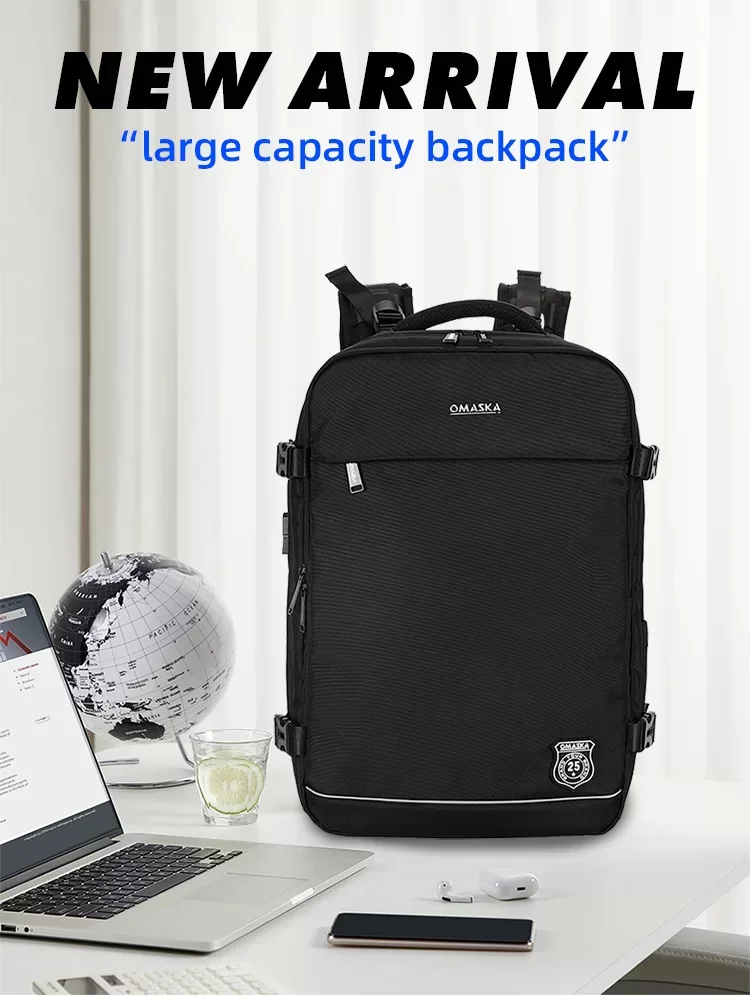
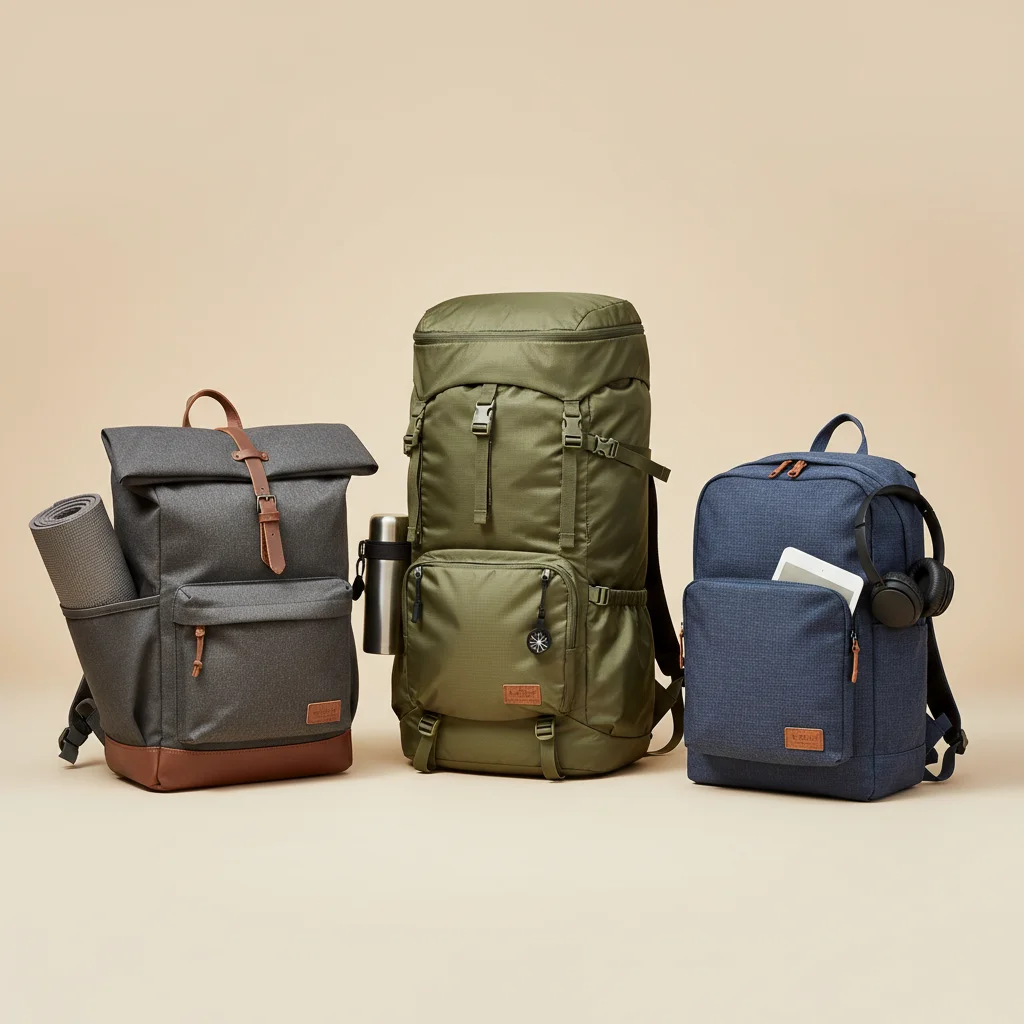
Current trends include a growing demand for sustainable and eco-friendly materials like recycled polyester and organic cotton. Functional designs with features like USB charging ports, anti-theft compartments, and ergonomic support are also gaining popularity. Minimalist and lightweight designs are trending for everyday use, while specialized backpacks for hiking, travel, and photography are evolving with advanced technologies and features. Staying informed about these trends is crucial for offering competitive products.
Backpack wholesale is a dynamic and essential component of the global supply chain, offering significant benefits in terms of cost efficiency, scalability, and customization. Successful engagement in this market demands a strategic approach, encompassing careful supplier selection, rigorous quality control, and a thorough understanding of international logistics and emerging trends. By embracing innovation and prioritizing sustainability, businesses can unlock the full potential of backpack wholesale and position themselves for long-term success.
Looking ahead, the future of backpack wholesale will be shaped by evolving consumer preferences, technological advancements, and a growing emphasis on responsible sourcing. Investing in strong supplier relationships, embracing digital transformation, and proactively adapting to changing market dynamics will be critical for staying competitive. We encourage you to explore how Omaska Factory can help you navigate these challenges and secure high-quality backpacks for your business.

Hit enter to search or ESC to close


If you are interested in our products, you can choose to leave your information here, and we will be in touch with you shortly.