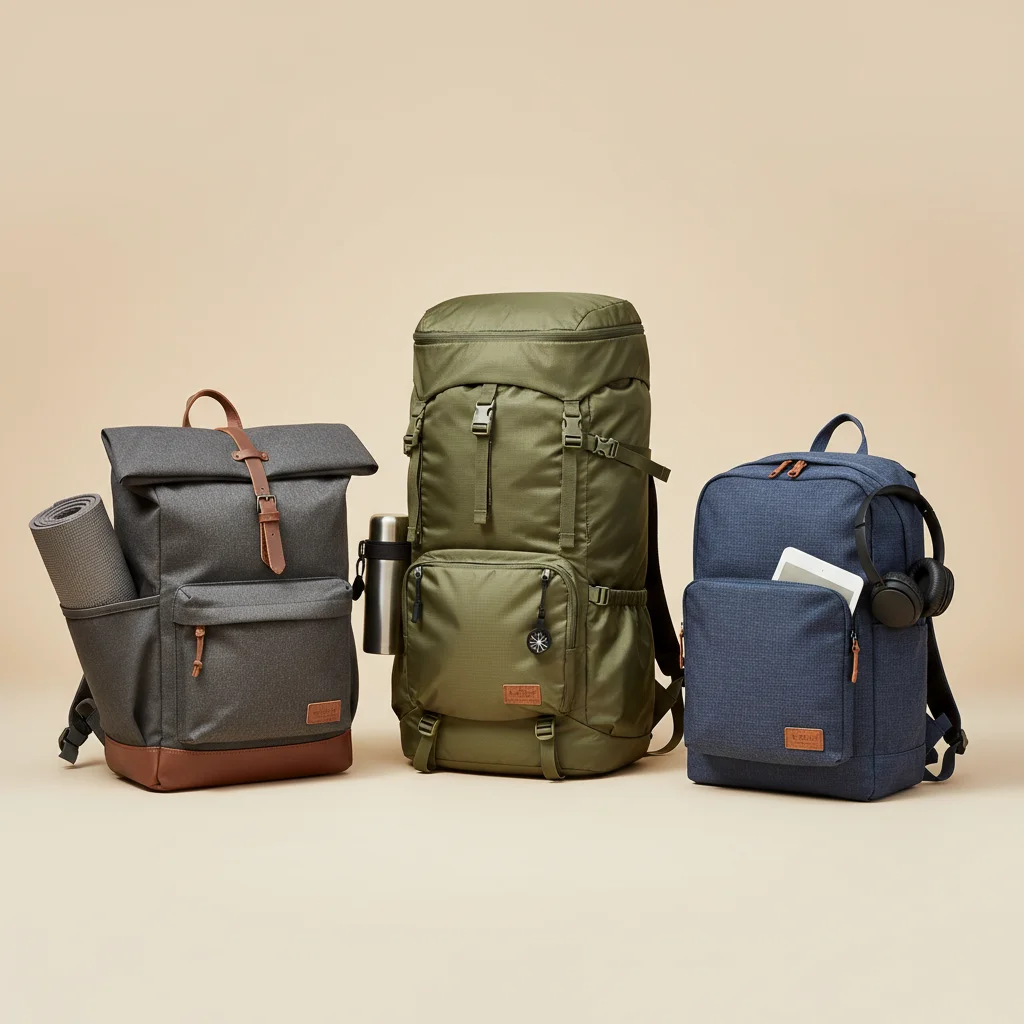
The global demand for high-quality carry solutions has shifted significantly toward bulk procurement, making the search for a reliable wholesale back pack supplier a strategic priority for retailers and corporate entities alike. In an era where versatility and durability are non-negotiable, understanding the nuances of bulk sourcing allows businesses to balance cost-efficiency with premium product standards.
From educational institutions providing student gear to outdoor brands expanding their product lines, the ability to source a wholesale back pack that meets rigorous quality benchmarks is a key driver of market competitiveness. The industry has evolved from simple canvas bags to complex, ergonomic tools designed for specific lifestyle needs, requiring a deeper look into manufacturing capabilities.
By optimizing the supply chain through direct wholesale partnerships, businesses can reduce overhead costs while ensuring a consistent flow of inventory. This guide explores the critical factors of the wholesale back pack market, offering insights into materials, global trends, and the logistical advantages of scaling your inventory with professional manufacturing partners.
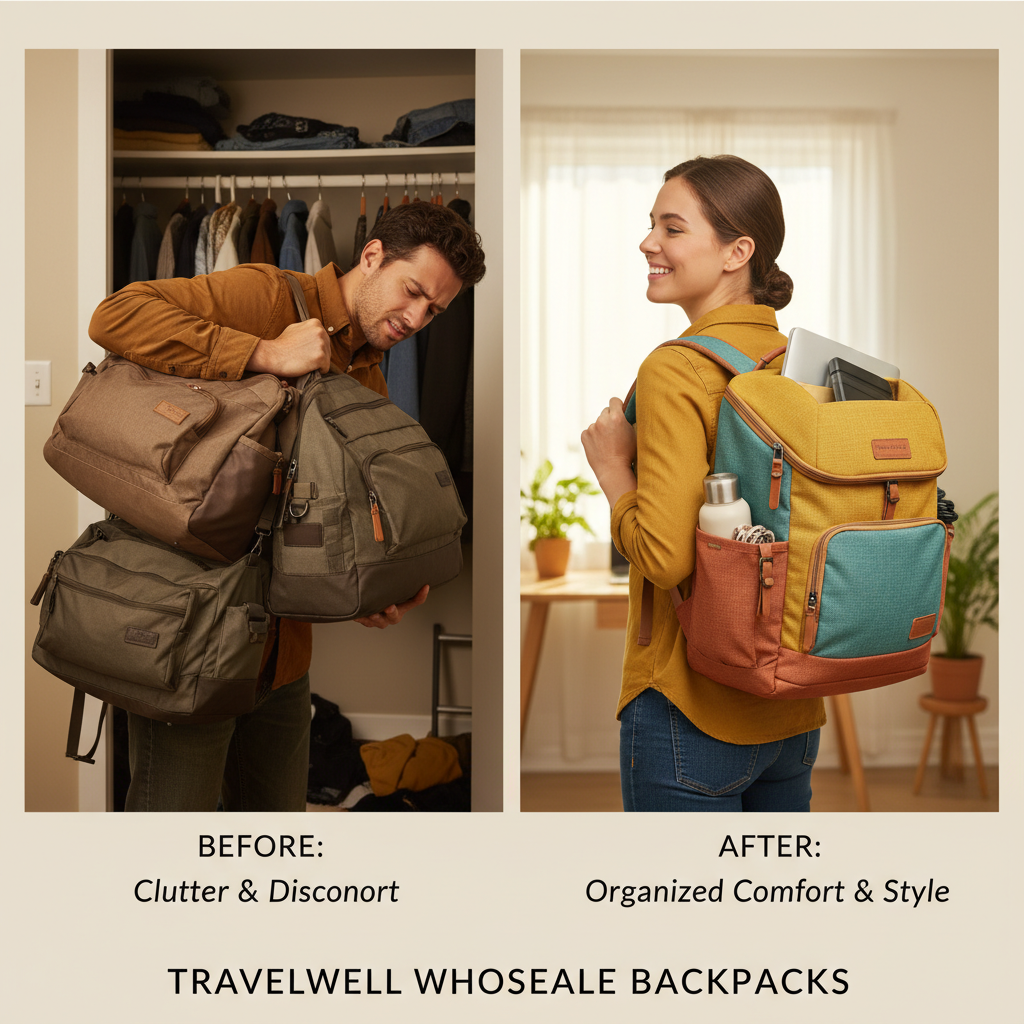
Global Market Dynamics of Wholesale Back Packs
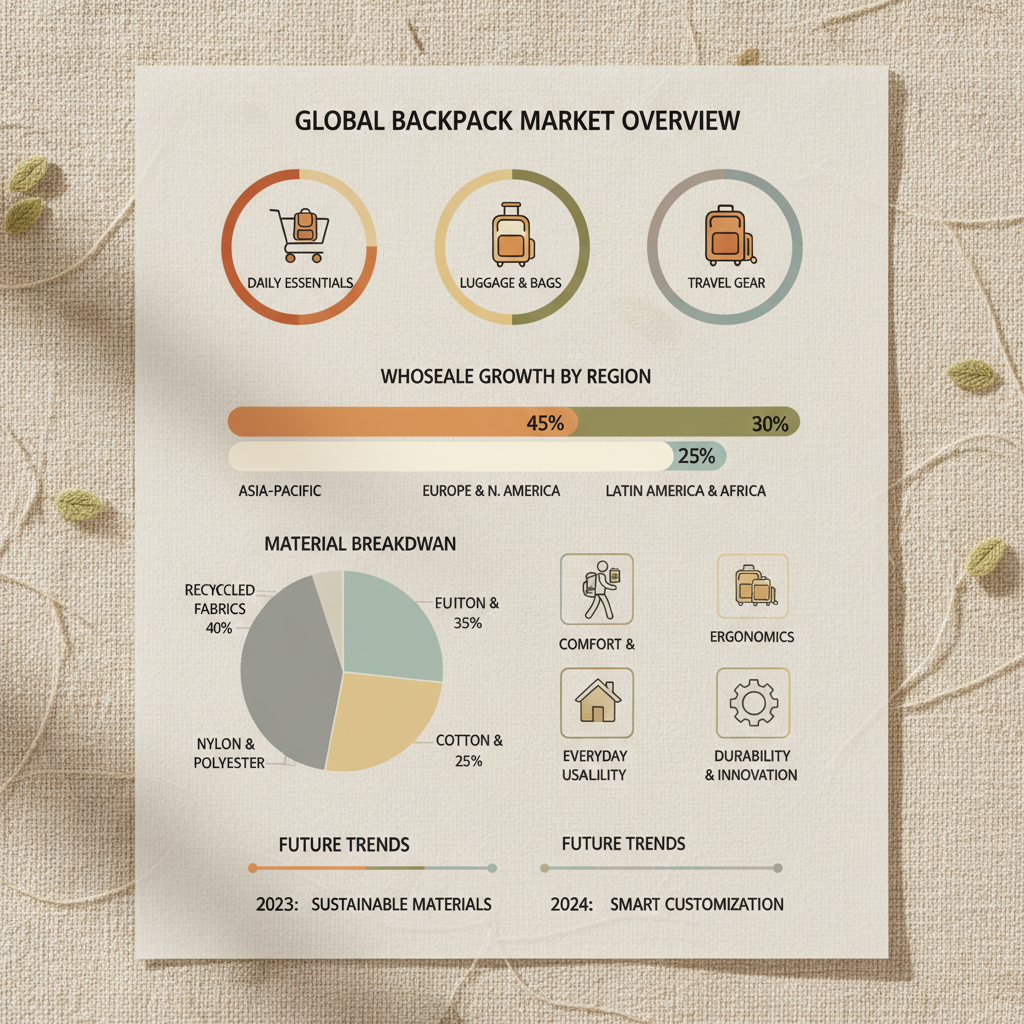
The global landscape for the wholesale back pack industry is currently shaped by a surge in "bleisure" (business + leisure) travel and a heightened focus on ergonomic health. According to trade data, the shift toward lightweight yet high-capacity luggage has seen a steady CAGR increase, as consumers move away from traditional suitcases in favor of versatile backpacks.
For wholesalers, the challenge lies in navigating the volatility of raw material costs, such as recycled polyester and high-grade nylon. Establishing a partnership with a manufacturer that employs lean production methods is essential to maintain margins without compromising the structural integrity of the product.
Defining Quality Standards in Bulk Sourcing
When we discuss a wholesale back pack, we are not just talking about quantity; we are talking about the standardization of quality across thousands of units. In a professional manufacturing context, this means adhering to strict ISO standards for stitching tension, zipper durability (typically YKK or equivalent), and load-bearing capacity.
The definition of "wholesale" in this sector has evolved. It no longer refers to generic, low-cost items, but rather to a strategic B2B relationship where custom specifications—such as reinforced base panels or waterproof coatings—are applied consistently across a large order. This ensures that the brand equity of the buyer is protected.
Furthermore, the integration of humanitarian needs has pushed the industry toward "ruggedized" wholesale options. These are backpacks designed for extreme environments, often sourced in bulk by NGOs or government agencies, where the failure of a single strap could mean the loss of critical supplies in the field.
Core Components of Durable Design
The foundation of any high-performing wholesale back pack begins with material selection. Heavy-duty 600D to 1680D nylon is the industry standard for abrasion resistance, ensuring that the bag can withstand the rigors of daily commutes or wilderness trekking without tearing.
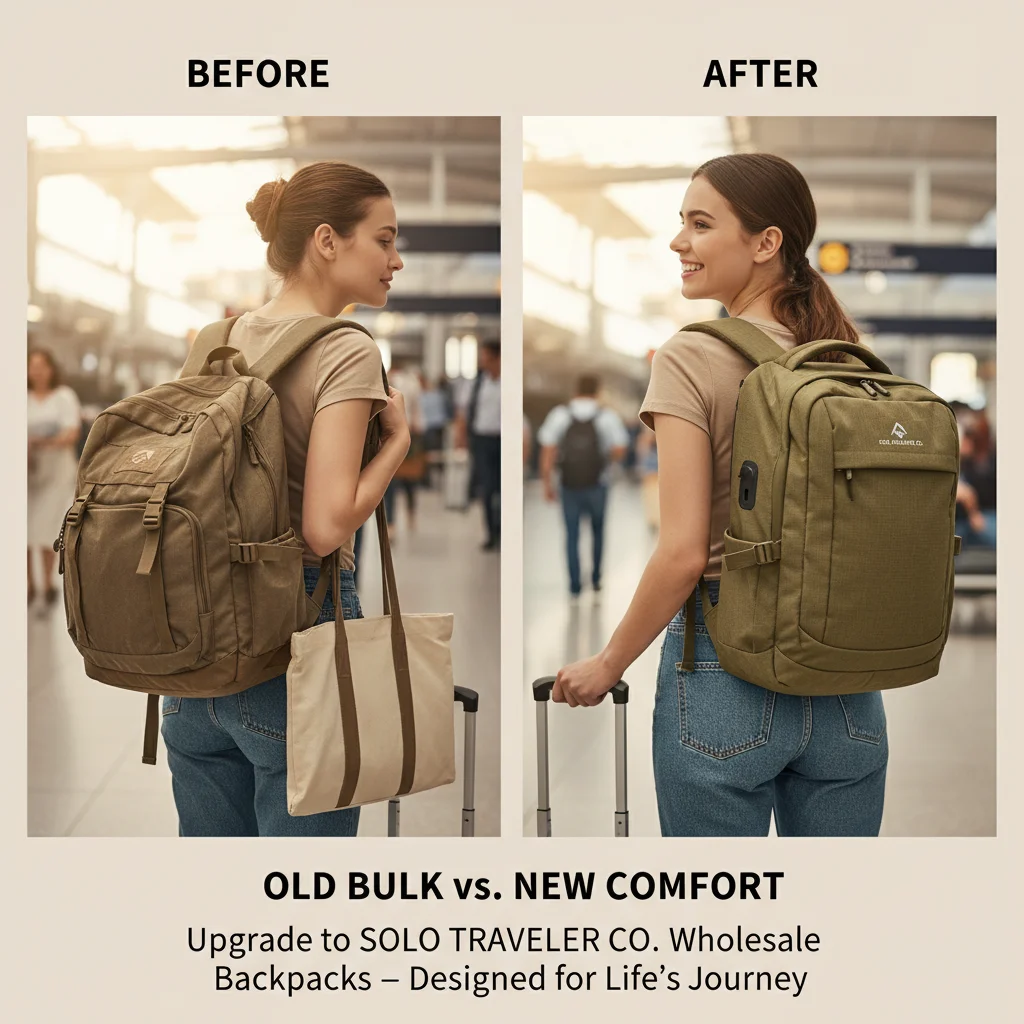
Ergonomics play a pivotal role in wholesale procurement. Sourcing a wholesale back pack with S-curved shoulder straps and breathable mesh back panels reduces physical strain on the user, which is a critical selling point for the corporate and educational markets.
Finally, the hardware—including buckles, sliders, and zippers—must be tested for thousands of cycles. A wholesale order is only as strong as its weakest link, and implementing rigorous stress tests on the attachment points of the handles prevents premature product failure and costly returns.
Cost Efficiency and Scalability Analysis
Achieving true cost efficiency in wholesale back pack procurement requires a balance between Minimum Order Quantities (MOQ) and unit price. By scaling production, manufacturers can optimize fabric cutting patterns to reduce waste, directly lowering the cost per unit for the buyer.
Scalability also refers to the ability to pivot designs based on market feedback. A flexible wholesale partner allows brands to start with a baseline model and incrementally add features, such as USB charging ports or anti-theft hidden pockets, as their customer base grows.
Performance Metrics for Wholesale Back Pack Categories
Global Applications and Sector Use Cases
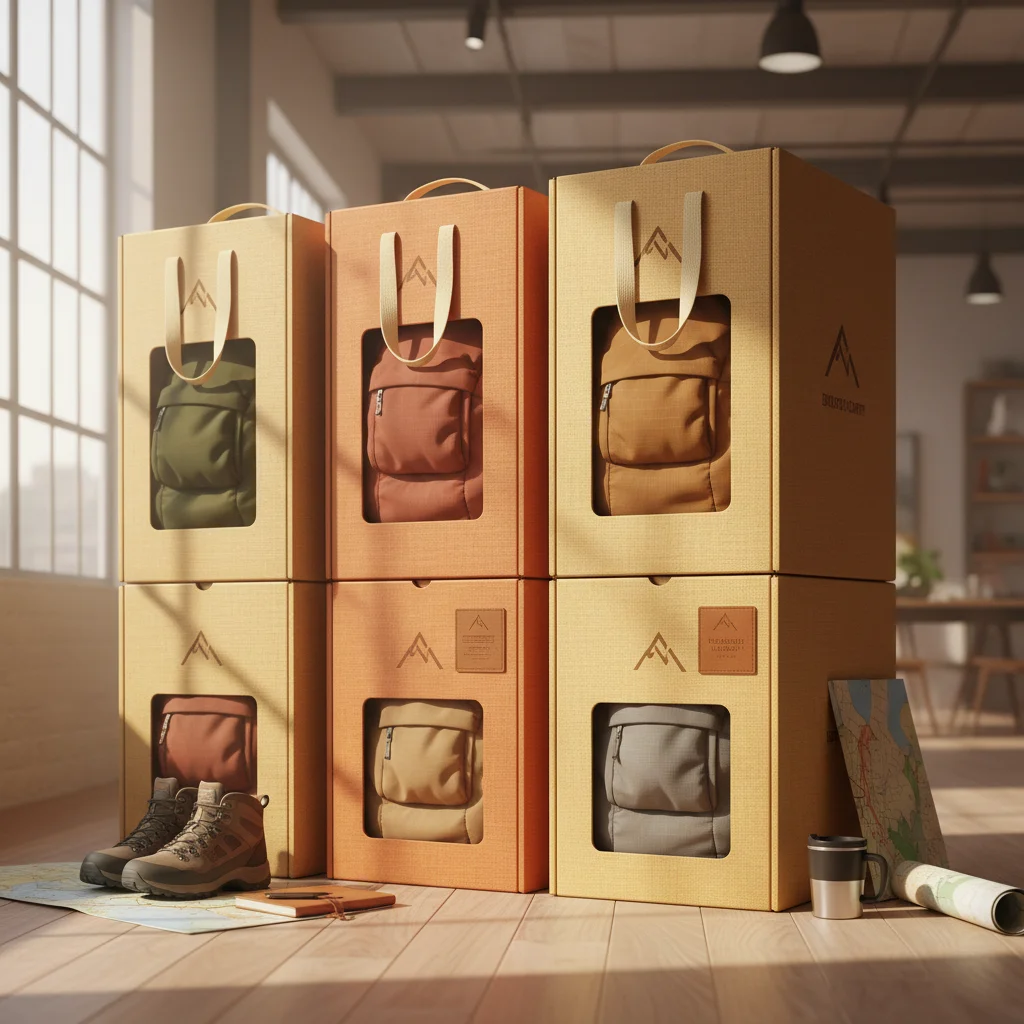
The application of the wholesale back pack extends far beyond retail shelves. In the corporate sector, companies utilize bulk-branded backpacks as high-value employee onboarding kits, fostering brand loyalty and providing a practical tool for the hybrid work era.
In more critical contexts, such as post-disaster relief operations in Southeast Asia or remote industrial zones in Africa, wholesale rugged backpacks are used to transport medical supplies and communication gear. These specific use cases demand a level of water-resistance and tear-strength that far exceeds standard consumer requirements.
Long-term Value and Sustainability Gains
Investing in a high-quality wholesale back pack provides long-term economic value by reducing the frequency of replacement. From a logical perspective, a bag that lasts five years instead of one reduces the total cost of ownership and minimizes the environmental footprint associated with landfill waste.
Sustainability is no longer a buzzword but a requirement. Leading manufacturers are now offering wholesale options made from RPET (recycled polyethylene terephthalate), transforming plastic bottles into durable fabric. This allows brands to market their products as eco-friendly, appealing to the growing demographic of conscious consumers.
Beyond the materials, the social impact of ethical wholesale sourcing cannot be ignored. By partnering with factories that ensure fair wages and safe working conditions, businesses build a transparent supply chain that enhances their reputation and builds trust with an increasingly skeptical global market.
Future Trends in Bag Manufacturing
The future of the wholesale back pack market is being driven by digital transformation and smart materials. We are seeing the integration of RFID-blocking pockets as a standard feature and the exploration of "self-healing" fabrics that can close small punctures automatically.
Automation in the cutting and sewing process is also reducing lead times, allowing wholesale buyers to react more quickly to fashion trends. This "fast-wholesale" model combines the cost benefits of bulk production with the agility of just-in-time manufacturing.
Furthermore, modularity is becoming a key trend. Future wholesale designs will likely feature interchangeable compartments, allowing a single backpack to be converted from a professional laptop bag to a hiking pack, thereby increasing the product's utility and lifecycle.
Analysis of Future Manufacturing Innovations for Wholesale Back Packs
| Innovation Type |
Primary Benefit |
Implementation Cost |
Market Demand Score |
| RPET Recycled Fabric |
Eco-friendly branding |
Moderate |
9/10 |
| Integrated Solar Panels |
On-the-go charging |
High |
7/10 |
| Anti-Theft Hardware |
Enhanced Security |
Low |
8/10 |
| Modular Compartments |
Versatility |
Moderate |
8/10 |
| Nanotech Waterproofing |
Total Weather Protection |
Moderate |
7/10 |
| Ergonomic Air-Flow Mesh |
User Comfort |
Low |
10/10 |
FAQS
Minimum Order Quantities (MOQ) vary by manufacturer, but typically range from 100 to 500 units for custom designs. For stock items, some wholesalers allow as few as 20-50 units. Lower MOQs usually come with a slightly higher unit price, while larger bulk orders unlock significant discounts.
Yes, professional manufacturers allow you to choose from various fabrics (e.g., 600D Polyester, 1680D Nylon, or RPET), zipper brands, and internal lining colors. Customization usually includes adding your own logo via embroidery, silk-screen printing, or woven labels.
The best way to ensure quality is to request a pre-production sample. Once approved, you can employ a third-party inspection service to conduct a Quality Control (QC) check on a percentage of the bulk order (AQL standards) before the final balance is paid and goods are shipped.
Modern RPET and recycled nylons have advanced to the point where their tensile strength and abrasion resistance are nearly identical to virgin plastics. In many cases, high-grade recycled fabrics outperform cheap traditional polyester, making them a viable and sustainable choice for bulk sourcing.
Depending on the urgency and volume, you can choose between sea freight (most cost-effective for large volumes), air freight (fastest for smaller, urgent batches), or rail freight. Many wholesale factories offer FOB (Free On Board) or DDP (Delivered Duty Paid) shipping terms to simplify the import process.
Typical lead times range from 30 to 60 days. This includes the sampling phase (7-14 days) and the mass production phase. Peak seasons, such as the lead-up to the school year or the holiday gift season, may extend these timelines, so early planning is highly recommended.
Conclusion
Navigating the wholesale back pack market requires a strategic blend of material knowledge, quality control, and a deep understanding of end-user needs. By prioritizing durability, ergonomics, and sustainable manufacturing, businesses can secure products that not only offer immediate cost savings but also build long-term brand trust and customer loyalty.
As the industry moves toward smarter, more modular, and eco-conscious designs, the gap between "budget wholesale" and "premium bulk" is closing. We recommend that retailers and corporate buyers seek partnerships with factories that embrace transparency and innovation, ensuring their inventory remains relevant in a rapidly evolving global market. Visit our website to explore professional solutions: www.omaskafactory.com