
08 Dec 2025
Collapsible luggage — it sounds like a simple idea, right? Bags that fold down, saving space and hassle. But honestly, this concept has shades that ripple far beyond just a suitcase clicking shut. On a global scale, this innovation touches on everything from mobility to sustainability, even disaster relief, and everyday travel convenience. Understanding collapsible luggage matters because it opens up possibilities for smarter storage, reduced shipping costs, and more efficient use of space worldwide.
Travel and transport industries worldwide are under mounting pressure to become more efficient and eco-friendly. The World Trade Organization estimates that around 58% of global goods are shipped by container, and even tourists generate an astounding volume of carry-on bags annually, many of which occupy more space than necessary. Collapsible luggage mitigates these challenges by drastically reducing space consumption, leading to lower carbon footprints during transit and less waste when storing or disposing of older bags.
Moreover, in humanitarian sectors, collapsible luggage or wheeled containers enable rapid deployment of essentials—especially in tight environments where quick transport of supplies or personal belongings is vital. Oddly enough, it’s not just tourists who benefit, but crucially, NGO workers and disaster relief teams worldwide.
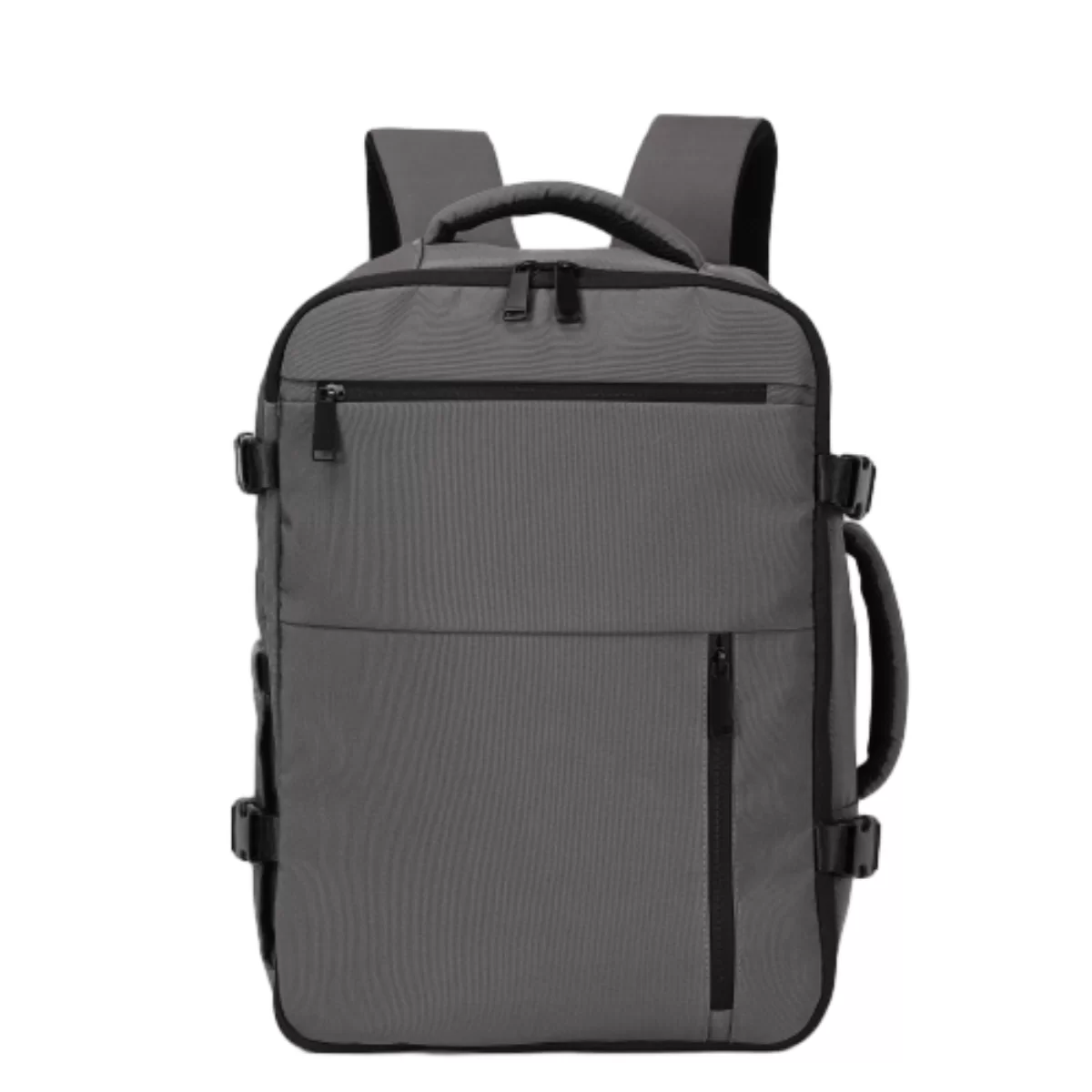
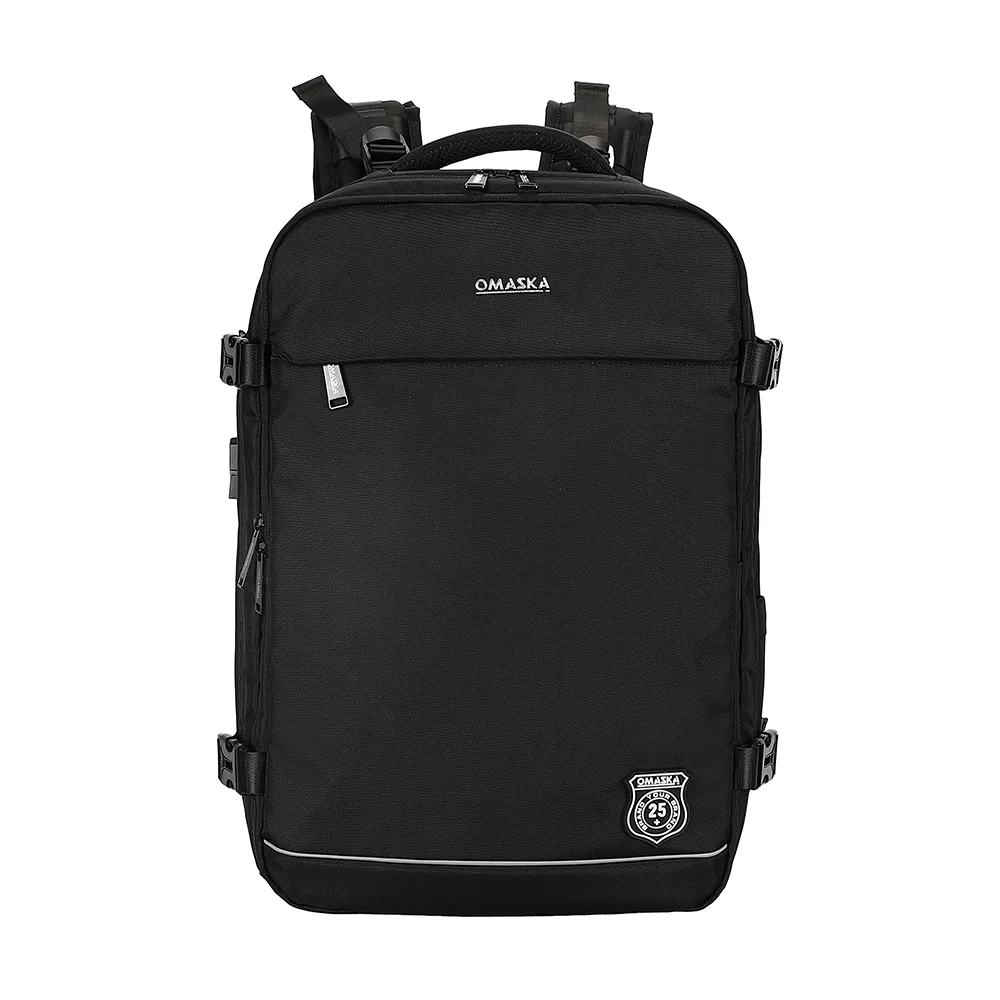
At its core, collapsible luggage refers to bags or cases designed with flexible frameworks and foldable materials, allowing the bag to reduce in size when empty or not in use. This feature is especially valuable in modern industries reliant on modularity and adaptability. Unlike traditional rigid suitcases, collapsible versions balance durability with convenience, often using lightweight yet strong fabrics combined with engineered hinges or zippers that enable the transformation.
It's this capability that makes collapsible luggage ideally suited to today’s mobile and fast-paced world—whether that means airline travelers aiming to maximize carry-on space or humanitarian agencies trying to pack more supplies into transport containers.
Many assume foldable equals flimsy, but modern collapsible luggage has proven that’s not the case. Materials such as high-denier nylon, reinforced zippers, and sturdy aluminum frames keep these bags intact, even under rough handling. This durability means users don’t have to compromise on protection just because the bag folds down.
This is the hallmark feature: the ability to collapse the luggage to a fraction of its full size. Whether for storage in cramped urban apartments or squeezing extra packs under airplane seats, this aspect drives convenience and space-saving, making it incredibly scalable for various use cases.
Lightweight design matched with ergonomic handles or removable straps means these bags are often easier on the back and shoulders, especially when loaded. Some models incorporate wheels that retract or stow away, enhancing mobility without additional bulk.
From a manufacturing and consumer perspective, collapsible luggage tends to reduce costs in shipping and storage space, which often translates into savings for buyers, though pricing varies by brand and specifications.
One shouldn’t overlook environmental impact. By using recyclable materials or increasing product lifespan thanks to durable construction, collapsible luggage can reduce waste footprints. Coupled with smaller volume packaging, this contributes to greener production and logistics cycles.
On a practical note, collapsible luggage finds utility across continents and sectors:
Travel Industry: Frequent flyers and backpackers capitalize on packing flexibility and reduced airline baggage fees.
Disaster Relief: Agencies deploy collapsible containers to quickly move emergency goods, where space and efficiency directly save lives.
Urban Commuters: City dwellers use collapsible backpacks and briefcases for daily convenience and compact storage.
Export & Shipping: Manufacturers and retailers prefer collapsible boxes and bags for reducing shipping costs globally.
For example, in the aftermath of typhoons in Southeast Asia, relief teams often leverage collapsible luggage to transport medical supplies and personal items into confined spaces where traditional baggage simply won’t fit.
The benefits of collapsible luggage aren't purely practical; there’s a human side, too. Travelers appreciate the reduced weight, which lessens fatigue. Emergency responders gain dignity in transporting essential belongings, not just boxes. From a business angle, companies enjoy lower storage expenses and wider market appeal due to multifunctionality.
Cost-wise, while initial purchases might be slightly higher compared to basic luggage, the longevity and multi-use nature offer strong savings long-term. Plus, many models include warranty programs and repair services, underscoring trustworthiness.
| Feature | Model A | Model B | Model C |
|---|---|---|---|
| Material | 600D Polyester | Nylon Ripstop | Recycled PET Fabric |
| Collapsed Size | 50% reduction | 60% reduction | 55% reduction |
| Weight | 2.1 kg | 1.7 kg | 1.9 kg |
| Warranty | 3 years | 5 years | 2 years |
| Vendor | Price Range | Innovation Focus | Sustainability |
|---|---|---|---|
| PackFold | $80–$150 | Lightweight frames | Limited recycled materials |
| FlexiLug | $120–$220 | Modular compartments | High use of recycled fabrics |
| EcoFold | $100–$180 | Biodegradable components | Fully recyclable packaging |
Innovation in collapsible luggage isn’t standing still. Materials are evolving: think smart fabrics that change rigidity on command or self-cleaning surfaces that reduce maintenance. Sustainability is becoming core, with biodegradable structures and cradle-to-cradle lifecycle designs gaining traction. On a tech front, integration with smartphones for security and tracking is on the rise, ensuring bags don’t just fold away but connect seamlessly to users’ digital lives.
Automation in manufacturing is another frontier, enabling personalized collapsible luggage to fit specific travel or industrial needs — the kind of customization that once seemed like science fiction.
But it’s not all smooth sailing. Challenges include the price premium, consumer skepticism regarding sturdiness, and occasional incompatibility with strict airline regulations. Also, collapsible luggage may require gentle treatment during folding to avoid wear over time.
Solutions? Experts suggest educating buyers about durability, providing warranties, and continuous innovation in material science. Plus, manufacturers partnering with airlines to design bags that meet exact standards could smooth the journey forward.
In real terms, collapsible luggage represents an elegant answer to modern challenges of space, efficiency, and sustainability. It blends ruggedness with clever design, proving its worth from airport terminals to emergency zones alike. If you’re intrigued or ready to upgrade, explore the latest models and innovations at collapsible luggage.
Ultimately, embracing collapsible luggage means choosing smarter travel and transport solutions—because every inch saved adds up.
Mini takeaway: Collapsible luggage is more than just a foldable bag; it’s a global tool for smarter packing, eco-conscious travel, and responsive logistics.
References:


Hit enter to search or ESC to close


If you are interested in our products, you can choose to leave your information here, and we will be in touch with you shortly.