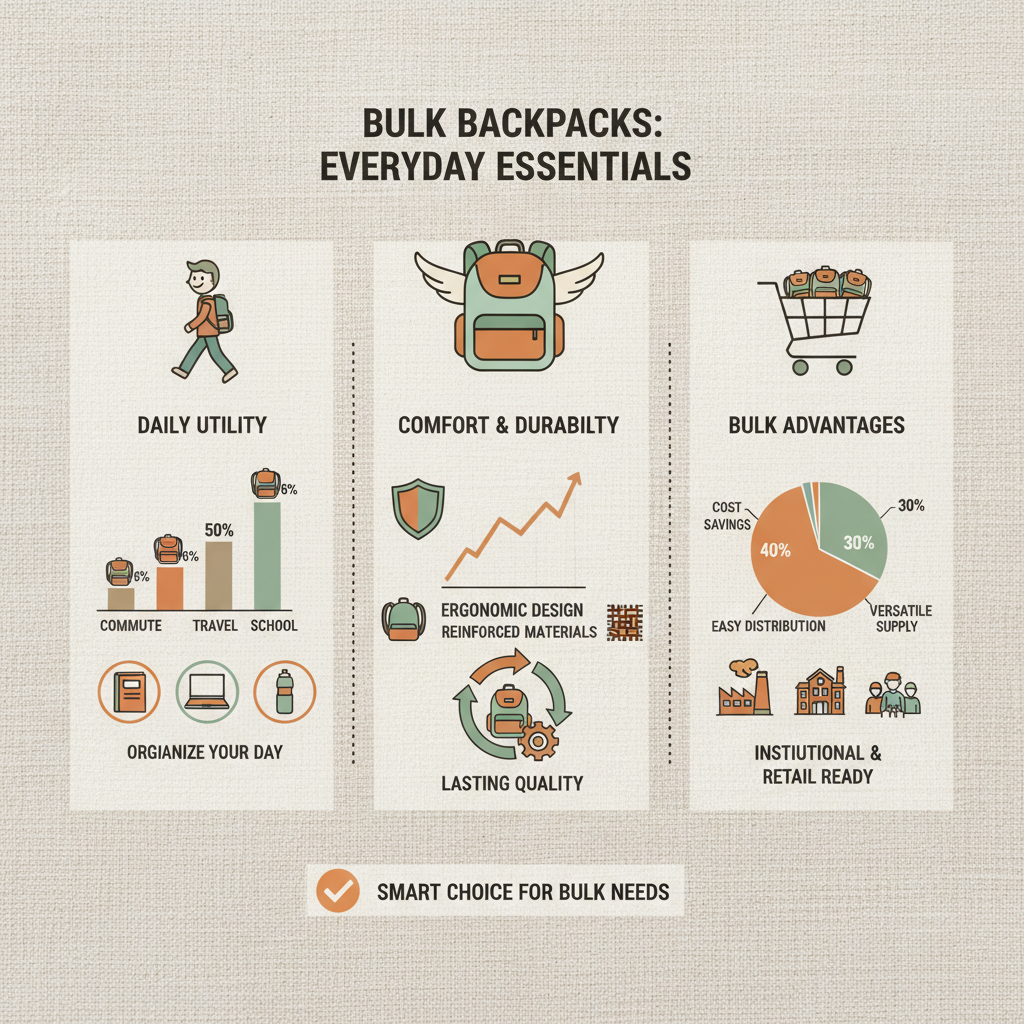
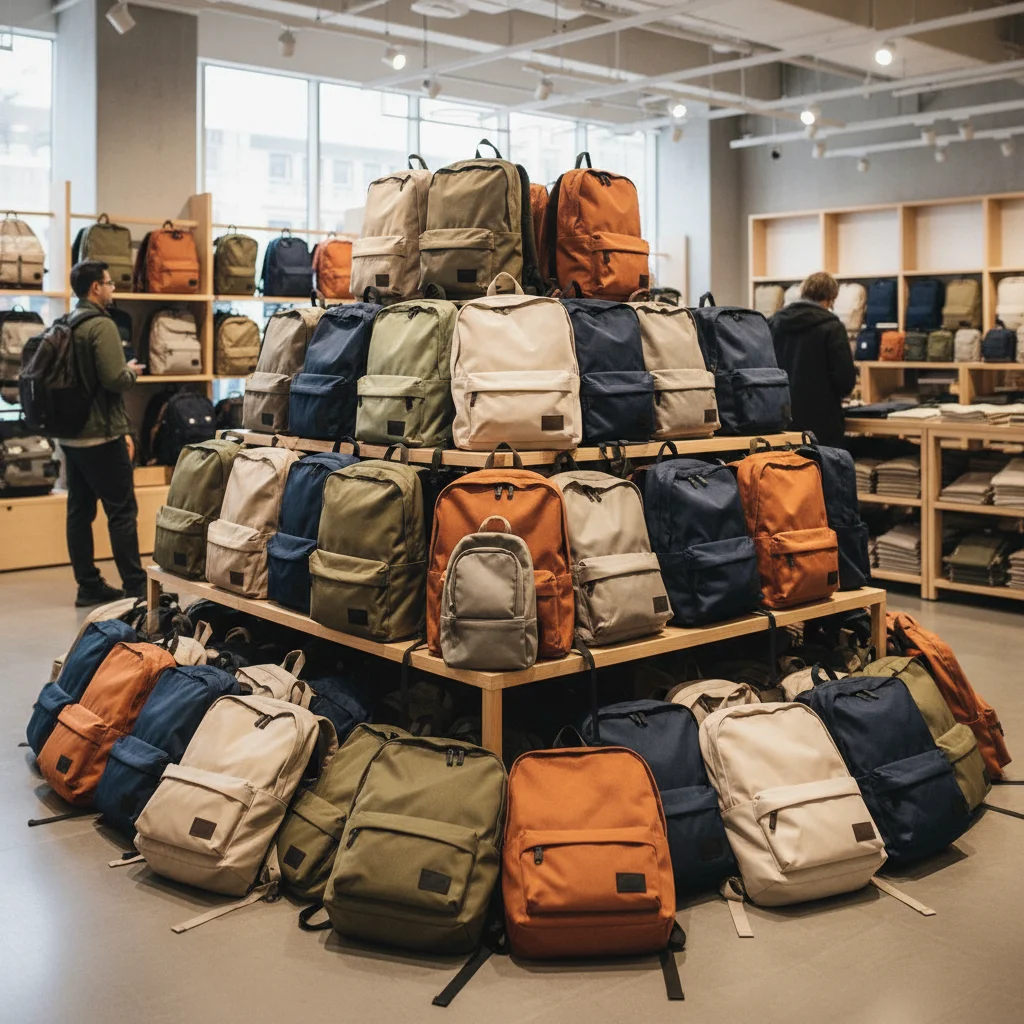
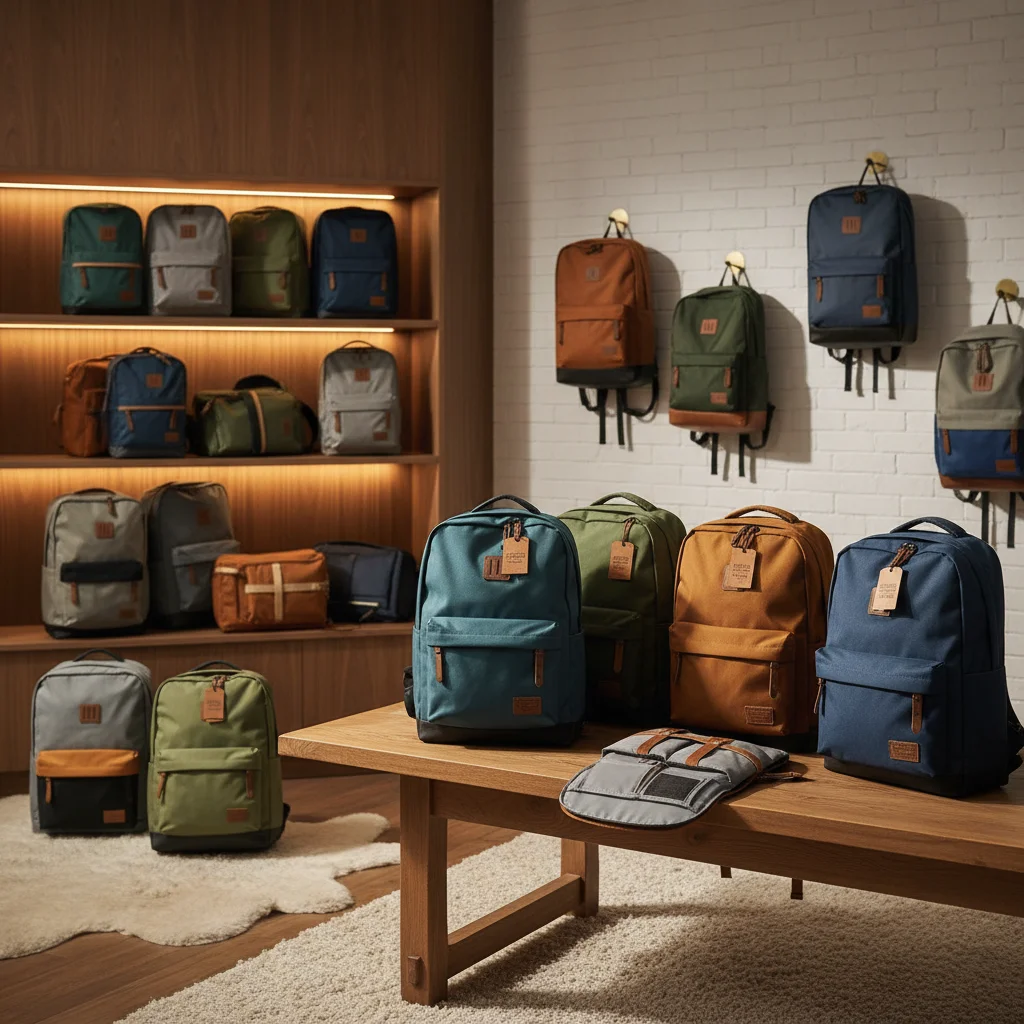
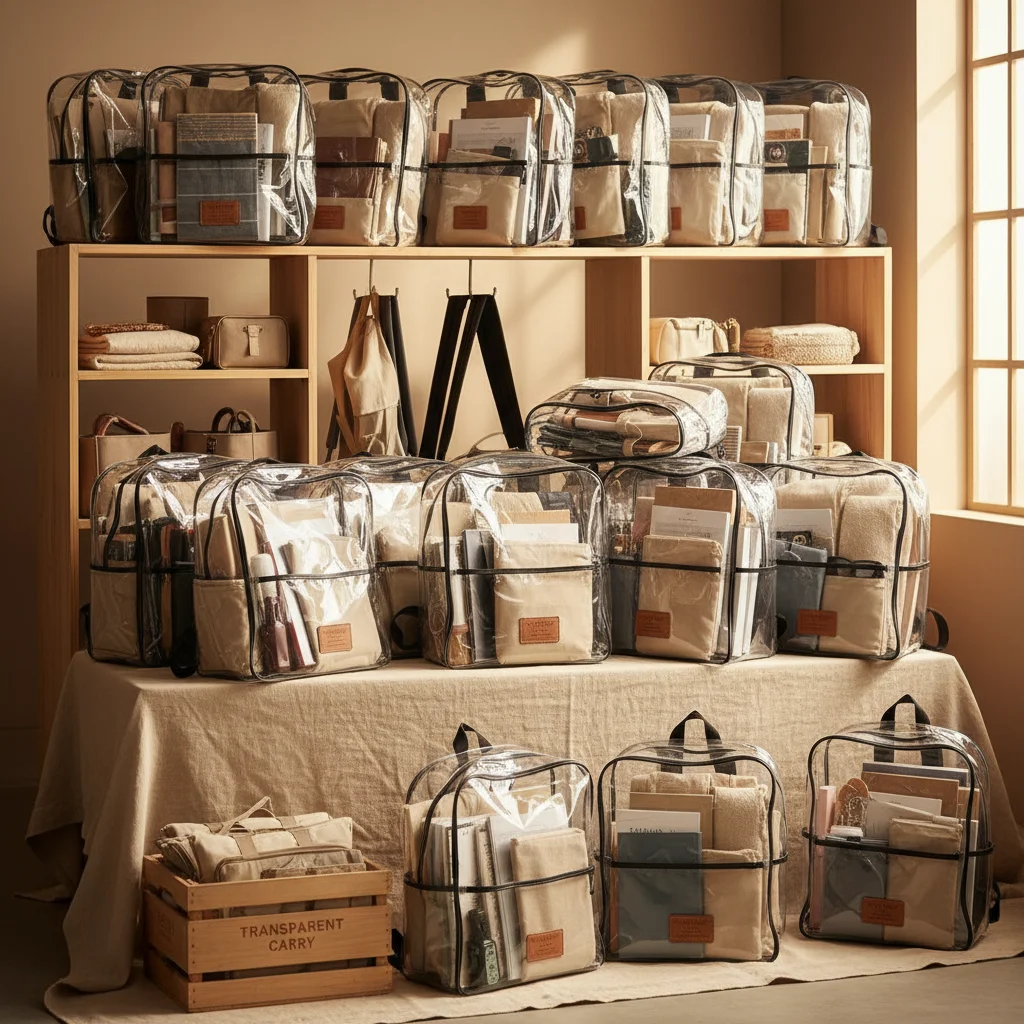
The global demand for high-quality carrying solutions has surged, leading many organizations, educational institutions, and retail brands to seek reliable sources for backpacks sold in bulk. Whether it is for corporate branding, school distributions, or large-scale promotional events, the ability to procure durable and functional backpacks in significant quantities is essential for operational efficiency and cost-effectiveness.
Navigating the complexities of wholesale manufacturing requires a deep understanding of material science, production scalability, and quality control. When companies invest in backpacks sold in bulk, they are not just purchasing products but are securing a supply chain that can support their growth and brand reputation across various international markets.
Understanding the nuances of bulk procurement—from fabric denier and zipper strength to ergonomic design and sustainable sourcing—allows buyers to maximize their ROI. This guide explores the industrial landscape of wholesale luggage and backpacks, providing the technical and commercial insights needed to make informed purchasing decisions in the competitive travel gear sector.
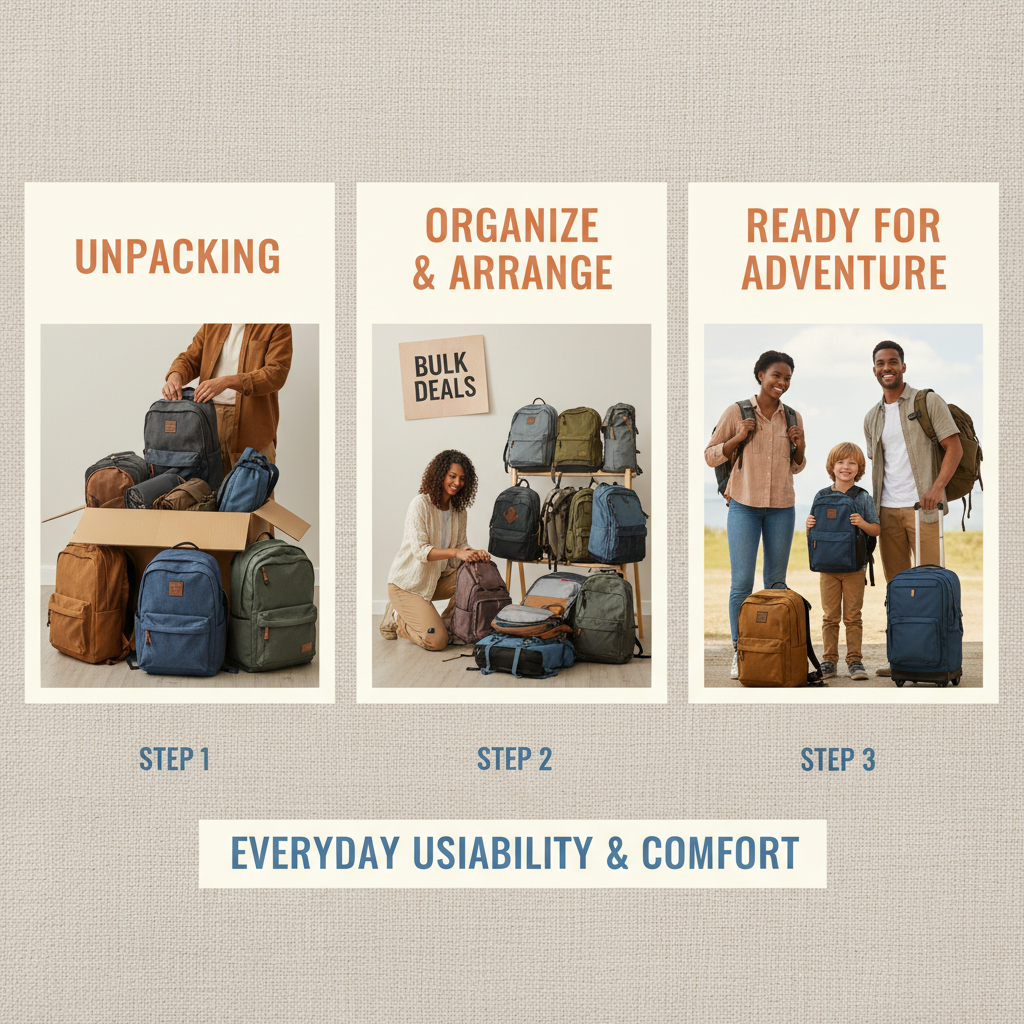
Global Market Dynamics of Backpacks Sold in Bulk
The global trade in backpacks sold in bulk is driven by the increasing intersection of education, corporate wellness, and the travel boom. With the rise of nomadic working cultures and the expansion of educational access in emerging economies, the demand for standardized, durable carrying solutions has reached unprecedented levels. International trade data indicates a steady CAGR in the luggage and bag sector, reflecting a shift toward functional, multi-purpose designs.
However, this growth presents a challenge: maintaining consistent quality across thousands of units. Many bulk buyers struggle with "sample discrepancy," where the initial prototype differs significantly from the mass-produced shipment. To mitigate this, industry leaders are adopting ISO-certified manufacturing processes and rigorous third-party inspections to ensure that every single unit in a bulk order meets the specified commercial standards.
Defining Bulk Backpack Procurement in Modern Industry
In simple commercial terms, backpacks sold in bulk refers to the B2B transaction of large quantities of bags, typically ranging from several hundred to tens of thousands of units, directly from a manufacturer or a primary wholesaler. Unlike retail purchasing, bulk procurement emphasizes unit cost reduction, customized branding (OEM/ODM), and synchronized logistics to meet specific deadlines, such as the start of a school year or a corporate product launch.
Beyond mere commerce, this model is deeply connected to humanitarian and industrial needs. For instance, NGOs and government agencies rely on bulk procurement to provide educational kits to children in underdeveloped regions. In these contexts, the "bulk" aspect is not just about cost, but about the ability to deploy essential tools rapidly and uniformly across vast geographic areas, ensuring that no individual is left without the means to carry their learning materials.
Modern bulk procurement has also evolved to integrate "Just-in-Time" (JIT) delivery systems. Rather than storing thousands of backpacks in expensive warehouse spaces, savvy buyers coordinate with factories to stagger shipments. This approach reduces overhead costs and allows for slight design iterations based on real-time market feedback, transforming the traditional "static" bulk order into a dynamic supply chain relationship.
Core Technical Factors for Bulk Quality Assurance
When evaluating backpacks sold in bulk, the first critical factor is material durability. Most commercial backpacks utilize polyester or nylon, measured in "denier" (D). For instance, a 600D polyester offers a balance of weight and strength, while 1000D is reserved for heavy-duty industrial use. Ensuring that the fabric weight remains consistent across the entire production run is the hallmark of a professional manufacturer.
Another essential component is the stress point reinforcement. In bulk production, the areas where the shoulder straps meet the main body are prone to failure. High-quality backpacks sold in bulk employ "bar-tacking"—a series of tight, reinforced stitches—to prevent tearing. This technical detail is often overlooked in low-cost bulk orders but is the primary differentiator between a product that lasts six months and one that lasts six years.
Finally, hardware consistency—specifically zippers and buckles—plays a pivotal role. The industry standard for bulk reliability is the use of YKK or equivalent high-cycle zippers. When ordering backpacks sold in bulk, specifying the "cycle life" of the zipper ensures that the product can withstand the repetitive opening and closing common in daily student or commuter use, reducing the rate of returns and customer complaints.
Economic Scalability and Cost Efficiency Models
The primary driver for choosing backpacks sold in bulk is the achievement of economies of scale. By increasing the order volume, buyers can significantly lower the per-unit cost because the manufacturer can optimize fabric cutting (minimizing waste) and run assembly lines without frequent interruptions for setup changes. This creates a sliding scale of pricing where the "price break" occurs at specific quantity thresholds.
Beyond the direct cost of goods, bulk procurement allows for the amortization of fixed costs, such as mold creation for custom plastic buckles or the setup of screen-printing screens for logos. When these costs are spread across 5,000 units instead of 50, the impact on the final unit price is negligible, making high-end customization accessible even for medium-sized enterprises.
Cost-Efficiency Rating of Various Bulk Procurement Methods
Global Applications and Sector-Specific Use Cases
The application of backpacks sold in bulk spans multiple global industries. In the corporate sector, large-scale onboarding packages often include a branded backpack to foster a sense of belonging and provide employees with a professional way to carry company hardware. These are typically designed with laptop compartments and minimalist aesthetics to align with corporate identity.
In the humanitarian sector, bulk backpacks are critical for disaster relief and education initiatives. For example, in post-disaster recovery operations in Southeast Asia or Sub-Saharan Africa, NGOs distribute bulk-ordered bags containing hygiene kits and school supplies. In these cases, the priority shifts from aesthetics to extreme durability and water resistance, ensuring the bags can survive harsh environmental conditions.
Long-Term Value and Sustainable Sourcing
The long-term value of investing in premium backpacks sold in bulk lies in the reduction of the replacement cycle. While low-cost alternatives are tempting, the "cost per use" is significantly higher if the product fails within a year. By selecting higher-grade materials and superior construction, organizations reduce waste and enhance the perceived value of their brand in the eyes of the recipient.
Sustainability is now a primary requirement in bulk procurement. The industry is shifting toward rPET (recycled polyethylene terephthalate), which transforms plastic bottles into durable fabric. When backpacks sold in bulk are made from recycled materials, they help corporations meet their ESG (Environmental, Social, and Governance) goals, turning a simple promotional item into a statement of environmental responsibility.
Moreover, the social impact of ethical sourcing cannot be ignored. Professional wholesale partners now provide certifications ensuring that the factories producing bulk orders adhere to fair labor practices. This transparency builds trust between the buyer, the manufacturer, and the end-user, ensuring that the product's journey from the factory floor to the shoulder is ethical and sustainable.
Future Innovations in Wholesale Luggage Manufacturing
The future of backpacks sold in bulk is being reshaped by the integration of smart technology and advanced material science. We are seeing the introduction of "smart fabrics" that are naturally antimicrobial or self-healing, as well as the integration of modular compartments that can be swapped based on the user's needs. This modularity allows bulk buyers to order a base model and customize the internal layout for different user groups.
Digital transformation is also optimizing the procurement process. AI-driven demand forecasting allows wholesalers to maintain optimal inventory levels, reducing the lead time for backpacks sold in bulk. Additionally, 3D prototyping is replacing physical samples, allowing buyers to visualize their custom designs in a virtual space and make adjustments in real-time, drastically speeding up the approval cycle.
Automation in the sewing and cutting process is further driving down costs while increasing precision. Laser-cutting technology ensures that every piece of fabric is identical, which is crucial for the structural integrity of the bag. As these technologies scale, the gap between "custom luxury" and "bulk production" will continue to shrink, offering high-end features at wholesale prices.
Comparative Analysis of Bulk Material Options for Backpacks
| Material Type |
Durability Score (1-10) |
Eco-Friendliness |
Cost Impact |
| Standard 600D Polyester |
6 |
Low |
Very Low |
| Ballistic Nylon |
10 |
Medium |
High |
| Recycled rPET Fabric |
7 |
Very High |
Medium |
| Water-Resistant Oxford |
8 |
Medium |
Medium |
| Ripstop Nylon |
9 |
Medium |
Medium-High |
| Vegan Leather Hybrid |
7 |
High |
High |
FAQS
MOQs vary by manufacturer, but for standard designs, they typically start at 100 to 500 units. For fully customized OEM orders involving unique molds or specific fabric dyes, MOQs often increase to 1,000 units or more to ensure production efficiency and material sourcing viability.
The most effective method is to implement a "Golden Sample" protocol, where a finalized prototype is signed by both parties. Additionally, requiring a Pre-Shipment Inspection (PSI) by a third-party agency (like SGS or Intertek) ensures that the production batch matches the sample in terms of stitching, material, and hardware.
Yes, most bulk suppliers offer multiple branding options, including screen printing, embroidery, heat transfer, and woven labels. Embroidery is generally preferred for a premium look and higher durability, while screen printing is more cost-effective for large, colorful logos.
For students, we recommend 600D to 900D Polyester with a PU water-resistant coating. It provides the best balance of cost and durability. For high-intensity use, Ripstop Nylon is an excellent choice as it prevents small punctures from turning into large tears.
Production typically takes 30 to 60 days depending on the order size and complexity. This includes the sampling phase, material procurement, and mass assembly. Shipping times vary based on the method (Air vs. Sea), adding another 5 to 40 days to the total lead time.
Absolutely. Many manufacturers now offer rPET (recycled plastic) and organic cotton options. When sourcing eco-friendly bulk orders, always ask for GRS (Global Recycled Standard) certification to verify that the materials are genuinely recycled and sustainably processed.
Conclusion
Procuring backpacks sold in bulk is a strategic decision that balances cost-efficiency with product longevity and brand image. By focusing on technical specifications like denier rating and bar-tack reinforcement, and by leveraging the economic advantages of scale, organizations can secure high-quality carrying solutions that serve their users effectively for years.
As the industry moves toward a more sustainable and technologically integrated future, the shift toward recycled materials and smart manufacturing will define the next generation of wholesale luggage. For those looking to optimize their supply chain and deliver exceptional value, partnering with a manufacturer that prioritizes transparency and quality control is the key to long-term success. Visit our website for professional wholesale solutions: www.omaskafactory.com