
07 Jan 2026
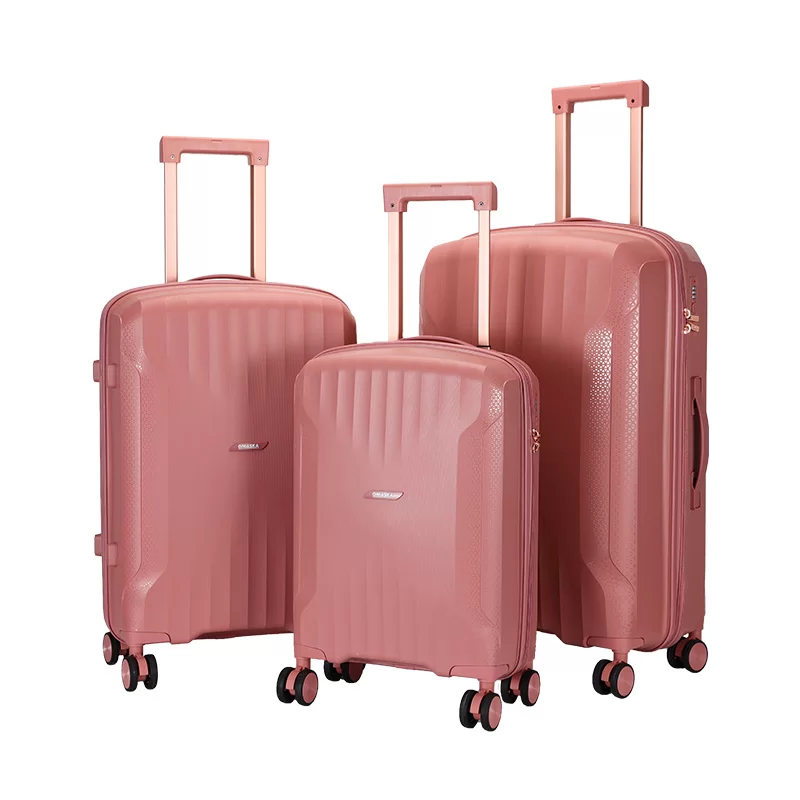
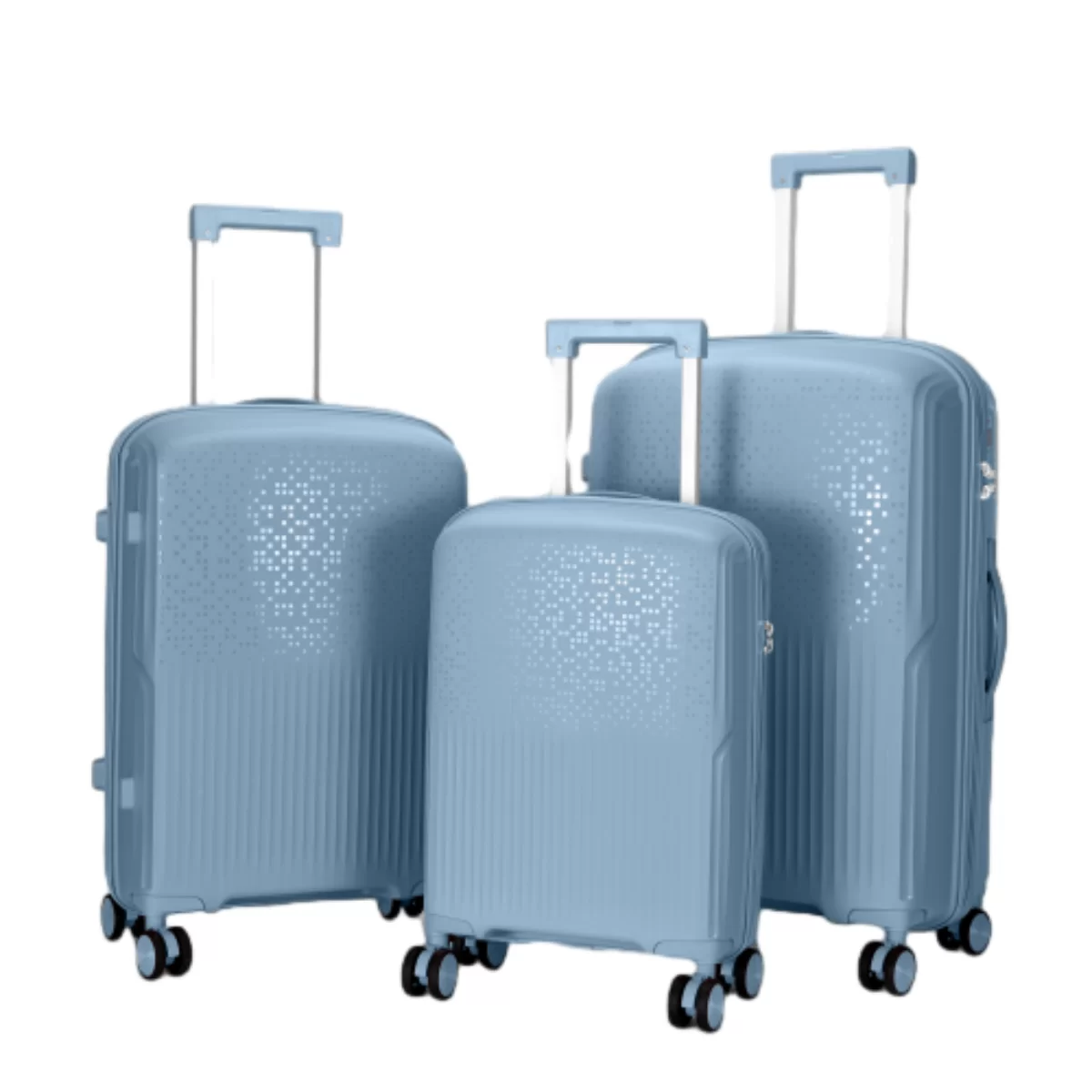
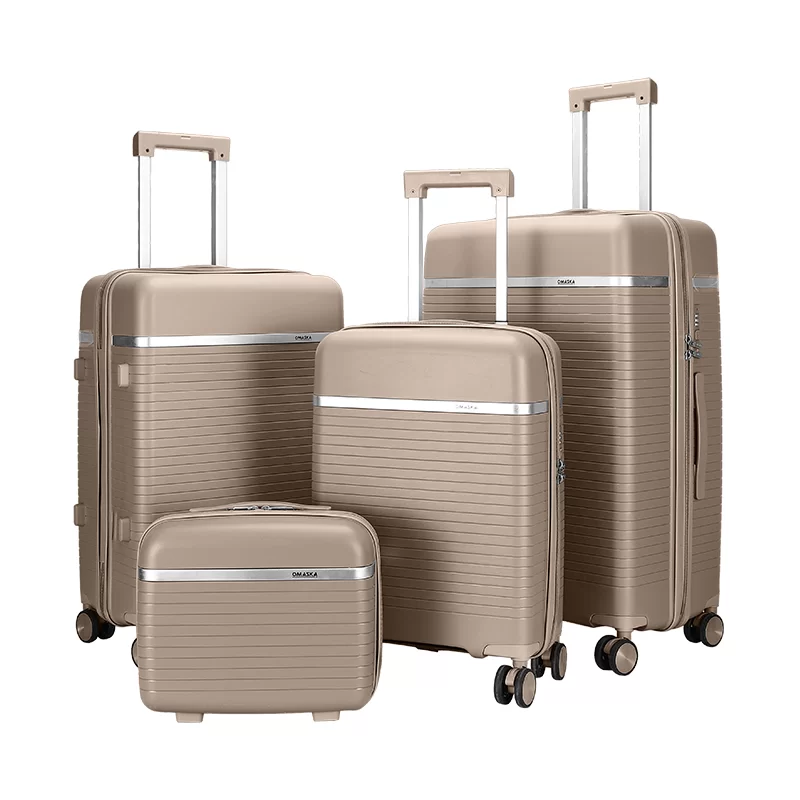
I’ve been following luggage materials for a decade, and the current favorite among frequent travelers is clearly [polypropylene trolley bags]. To be honest, they hit a sweet spot — surprisingly tough for their weight and easier on airline scales than many ABS alternatives.
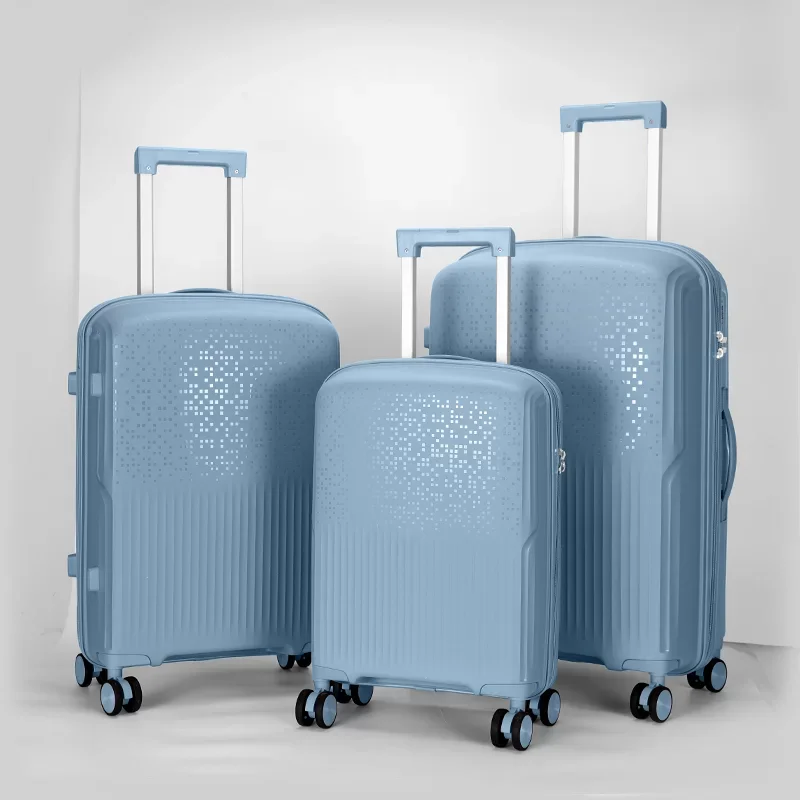
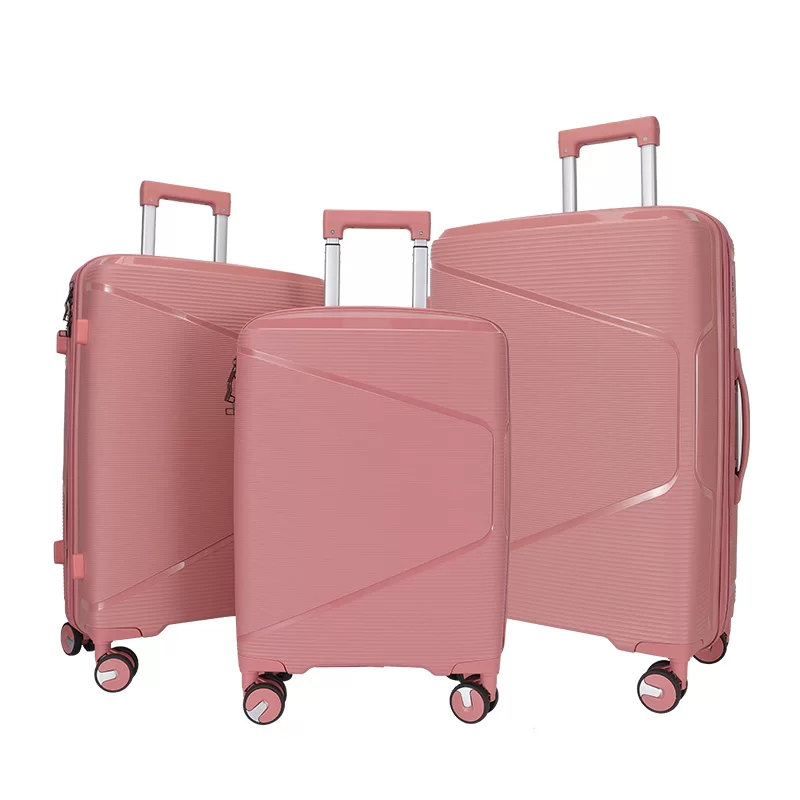
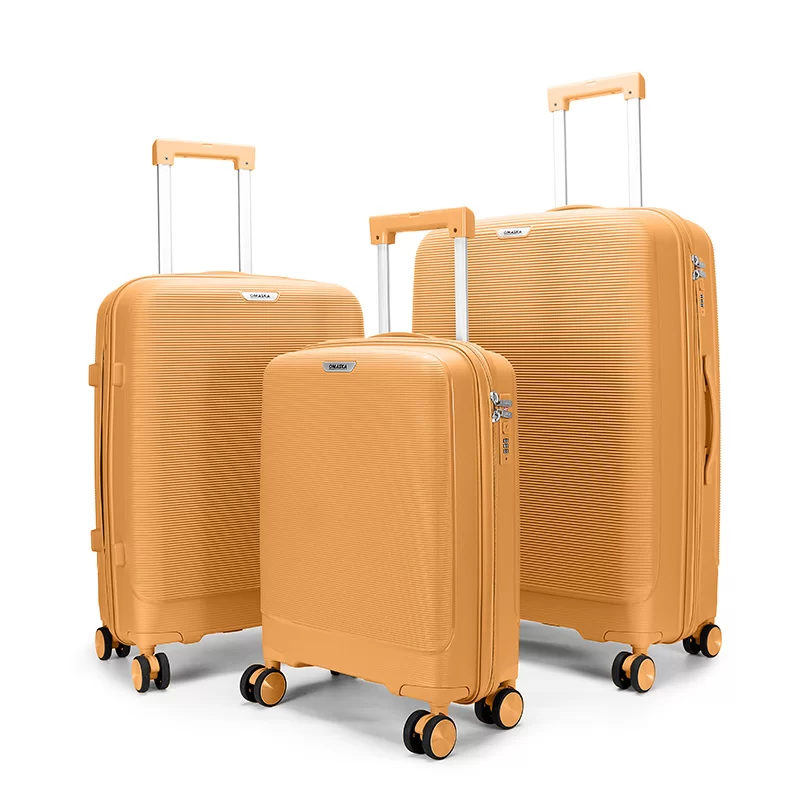
PP Luggage B014 (from Omaskafactory) is built from premium polypropylene, offering impact resistance, a hard-shell exterior, smooth wheels and an ergonomic telescopic handle. The interior layout is practical for short trips and long vacations — organized compartments, and a modern look. Many customers say it performs like a hybrid between hard-shell protection and featherweight convenience.
Spec | Value (≈) |
Material | Polypropylene (PP) copolymer |
Weight | ≈ 2.9–3.8 kg (size-dependent; real-world use may vary) |
Impact resistance | Meets ISO 179 / ASTM D256 benchmarks in batch tests |
Wheels & handle | 360° spinner wheels, telescopic handle (ergonomic) |
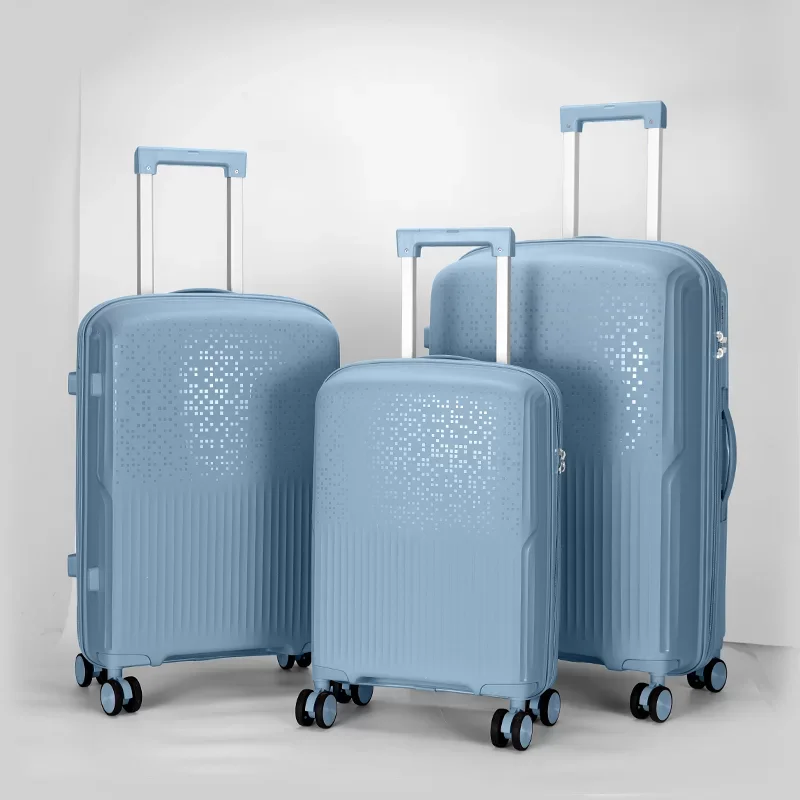
Manufacture typically follows: resin selection → injection molding/sheet thermoforming → shell trimming → assembly (chassis, wheels, handle) → interior lining & zippers → QA. Methods: twin-screw compounding for additives (UV stabilizers), high-pressure injection or vacuum forming for shell integrity.
Testing standards used in the industry include: ISO 179/ASTM D256 (impact), ISO 4892 (UV exposure), ISTA drop tests for transport, and SGS chemical compliance (RoHS/REACH). Service life in normal travel conditions: around 4–10 years depending on care and handling — so, real-world use may vary.
Vendor | MOQ | Lead time | Certs | Customization |
Omaskafactory (PP Luggage B014) | ≈ 200 pcs | 4–8 weeks | ISO 9001, SGS | Color, logo, interior layout |
Vendor B | ≈ 500 pcs | 6–12 weeks | SGS | Limited |
Vendor C | ≈ 100 pcs | 3–6 weeks | ISO, third-party lab tests | Full OEM |
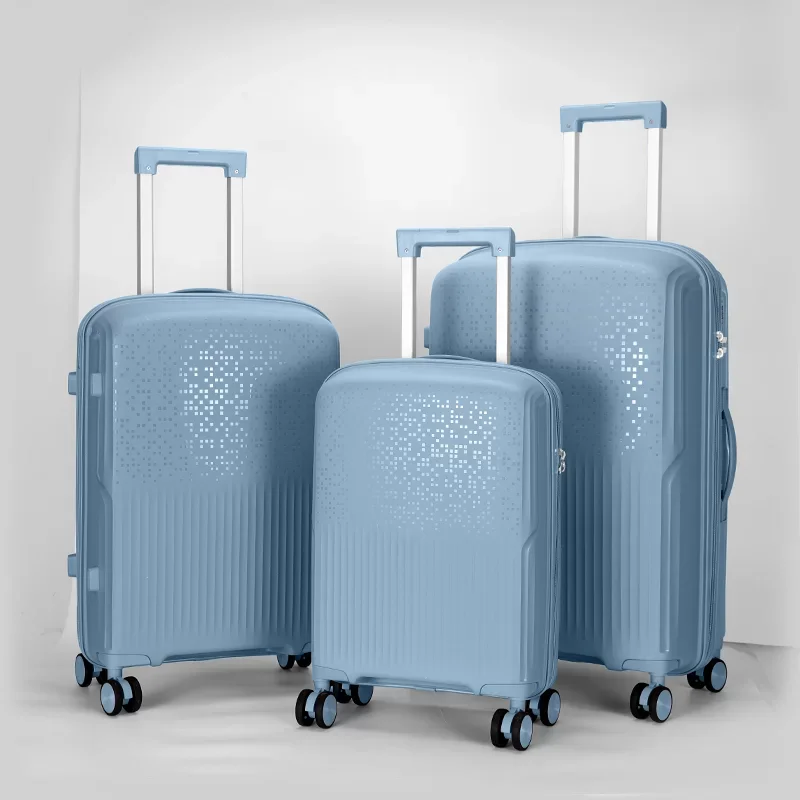
Ideal uses: airline carry-on, business travel, hospitality rental fleets, and promotional OEM gifts. A small rental startup I advised swapped ABS cases for polypropylene trolley bags and cut damaged-case replacement rates by ≈30% in one season — lower weight also meant fewer overweight fees for customers.
Advantages: excellent impact resistance-to-weight ratio, affordable, recyclable in some streams, and moldable into sleek designs. Downsides: surface may scratch (cosmetic), extreme cold can make PP slightly less ductile. Certifications and batch test data (ASTM/ISO/ISTA) are worth requesting from vendors before large orders.
Want specifics on PP Luggage B014 (materials test reports, MOQ negotiation tips, or sample ordering)? I can dig into factory QA docs — just ask.
1. ISO 179 / ASTM D256 — Plastics impact testing standards.
2. ISO 4892 — Plastics: weathering (UV) testing procedures.
3. ISTA — Transit packaging and shock/drop test protocols.
4. Omaskafactory product page — PP Luggage B014: https://www.omaskafactory.com/product/pp-luggage-b014.html

Hit enter to search or ESC to close


If you are interested in our products, you can choose to leave your information here, and we will be in touch with you shortly.