
12 May 2026
Airlines around the world are placing more focus on luggage efficiency, passenger convenience, and baggage durability. As baggage handling systems become more automated and travelers demand lighter travel solutions, the popularity of the PP suitcase continues to grow rapidly. Compared with traditional luggage materials, polypropylene offers a combination of lightweight performance, impact resistance, and cost efficiency that perfectly matches the needs of modern aviation travel.
Today, many luggage manufacturers and travel brands are investing heavily in PP luggage material because it provides airlines and travelers with a better overall experience. From reducing baggage handling strain to improving long-term durability, lightweight polypropylene luggage is becoming one of the preferred choices across the global travel industry.
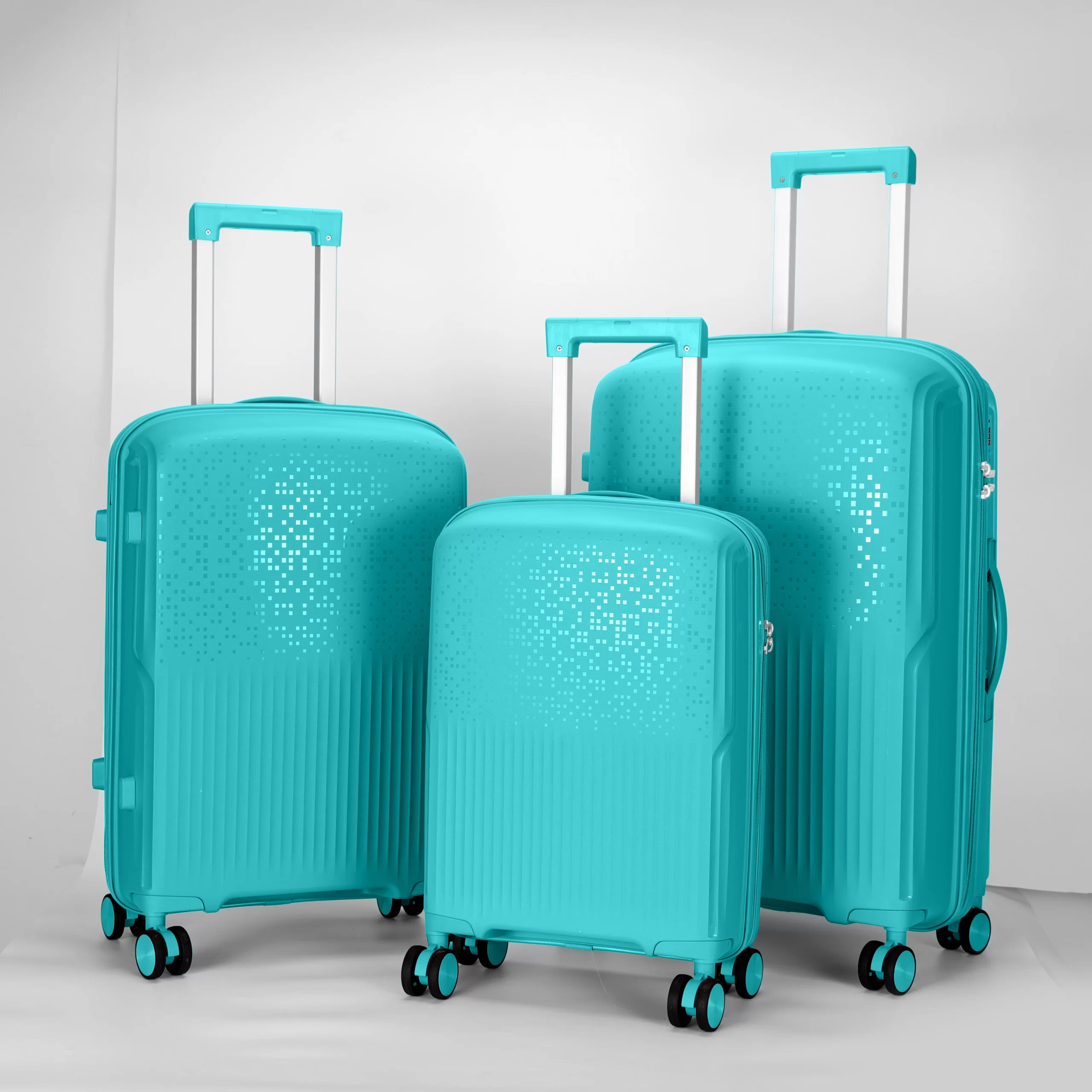
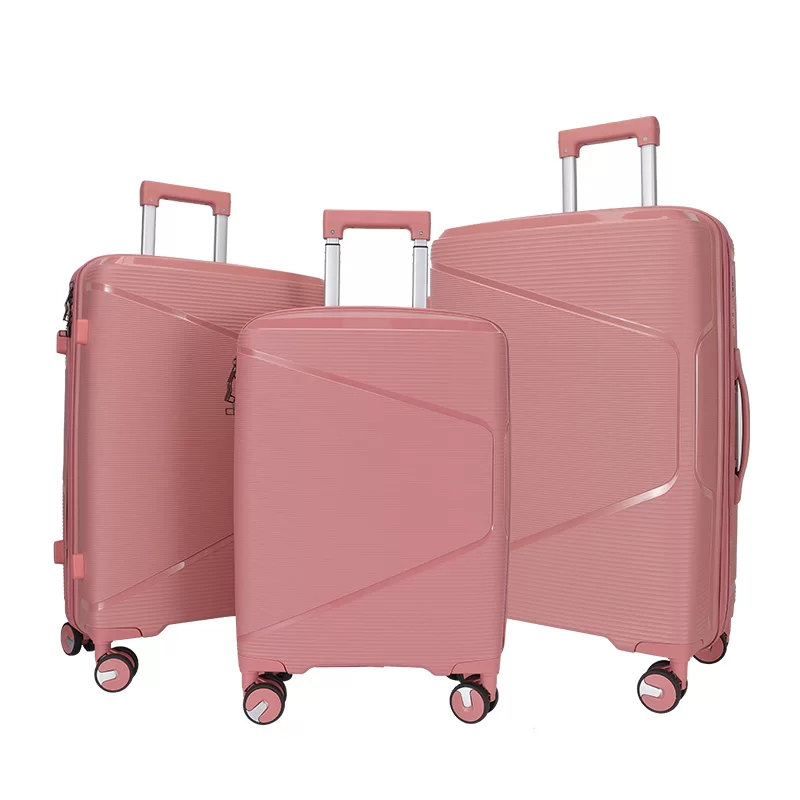
The term PP luggage meaning refers to luggage made from polypropylene, a highly durable thermoplastic polymer known for its flexibility and lightweight properties. In recent years, airlines have increasingly favored luggage made from this material because it balances strength with reduced overall weight.
Compared with aluminum or ABS luggage, PP luggage offers several important advantages:
Lightweight structure for easier handling
Excellent shock absorption
Better resistance to cracking under pressure
High flexibility during baggage transportation
Water-resistant and moisture-resistant properties
Lower manufacturing costs for large-scale production
For airlines, lighter luggage directly contributes to operational efficiency. Reduced baggage weight can help lower fuel consumption across flights, especially on international routes where cargo weight significantly impacts aircraft performance.
At the same time, passengers benefit from lighter suitcases because they can pack more personal items while staying within airline baggage limits.
Modern airlines manage millions of checked bags every day. Suitcases experience drops, conveyor impacts, stacking pressure, and rough handling throughout airport logistics systems. This is where the PP luggage material demonstrates clear advantages.
Unlike rigid materials that may crack under sudden impact, polypropylene has natural flexibility. This flexibility allows the shell to absorb shocks without permanent damage. Airlines prefer this because damaged luggage leads to customer complaints, compensation costs, and operational delays.
Another reason airlines appreciate lightweight PP luggage is baggage handling efficiency. Ground staff handle thousands of suitcases daily, and lighter luggage reduces physical strain while improving loading speed.
In addition, many low-cost airlines enforce strict baggage weight limits. Travelers using lightweight PP suitcases can maximize packing capacity without exceeding airline restrictions, creating a better customer experience.
Leading pp luggage manufacturers continuously optimize suitcase engineering to meet the changing needs of the airline and travel industries. Advanced injection molding technology allows manufacturers to create durable yet lightweight shell structures with improved impact resistance.
Modern PP luggage often includes:
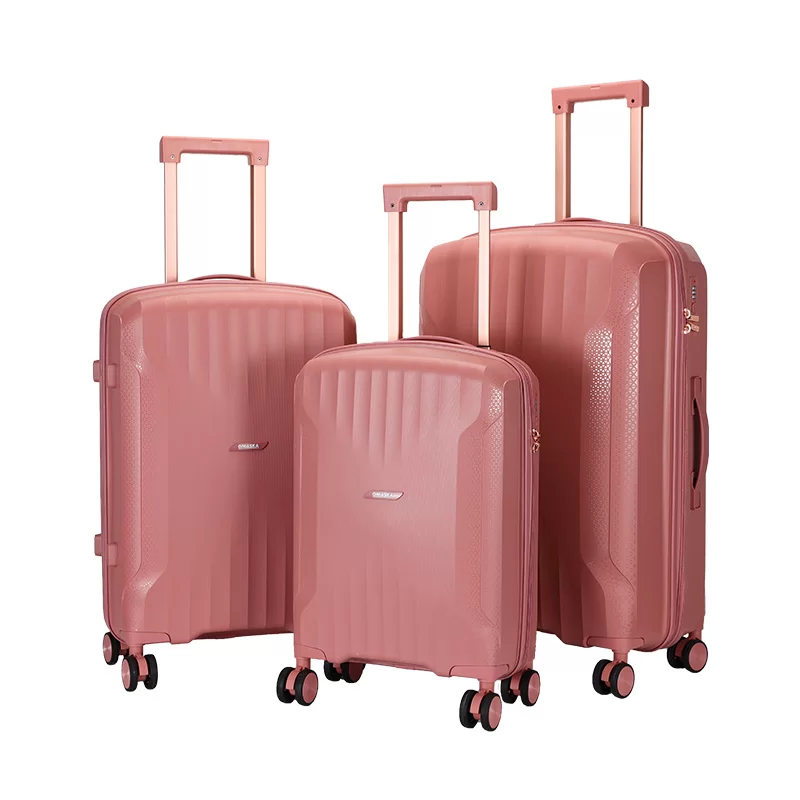
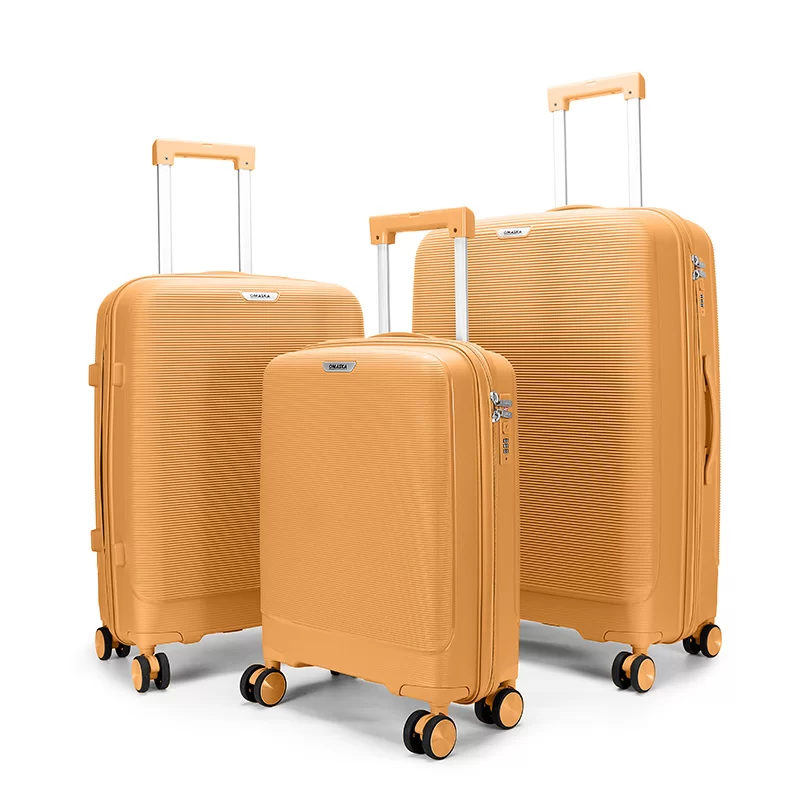
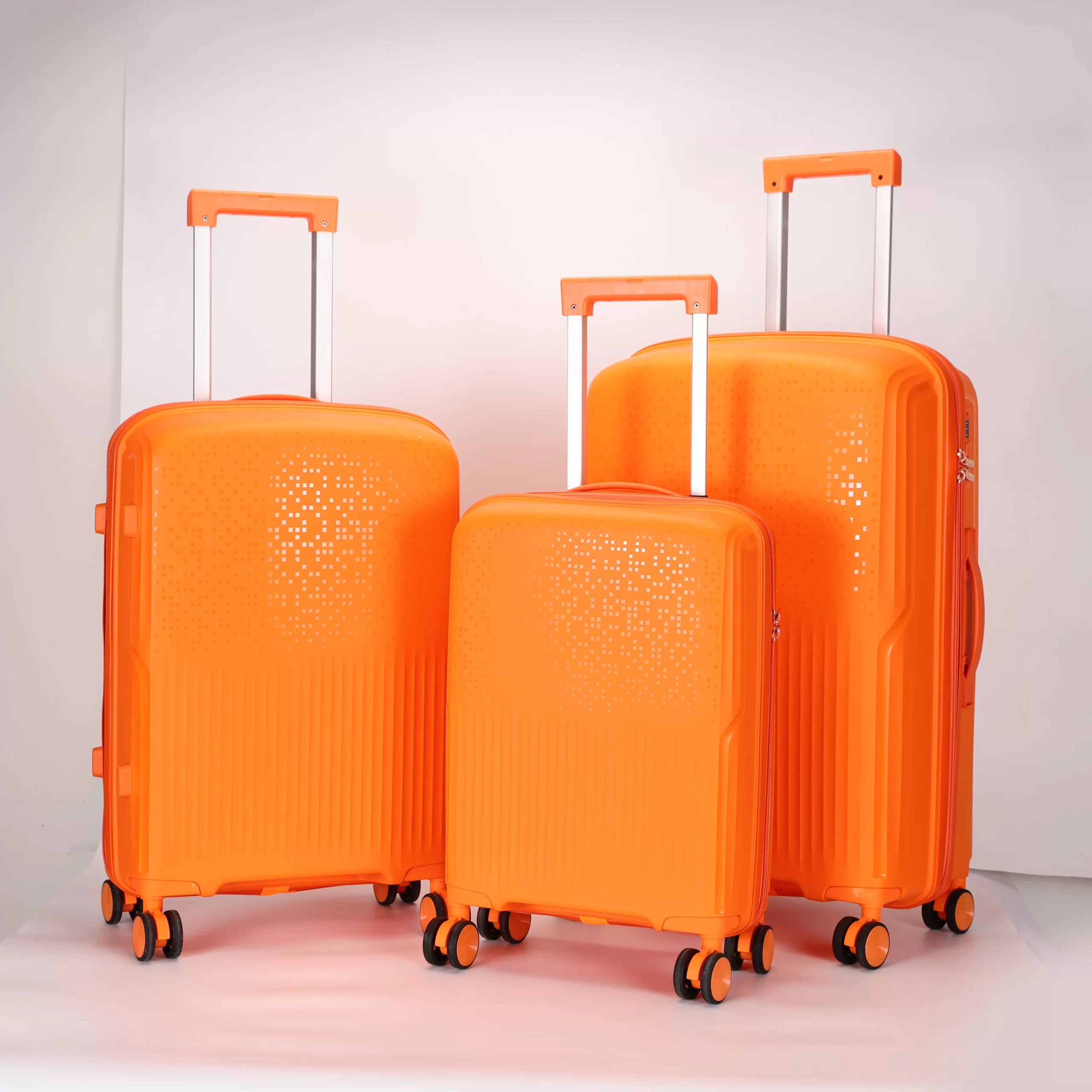
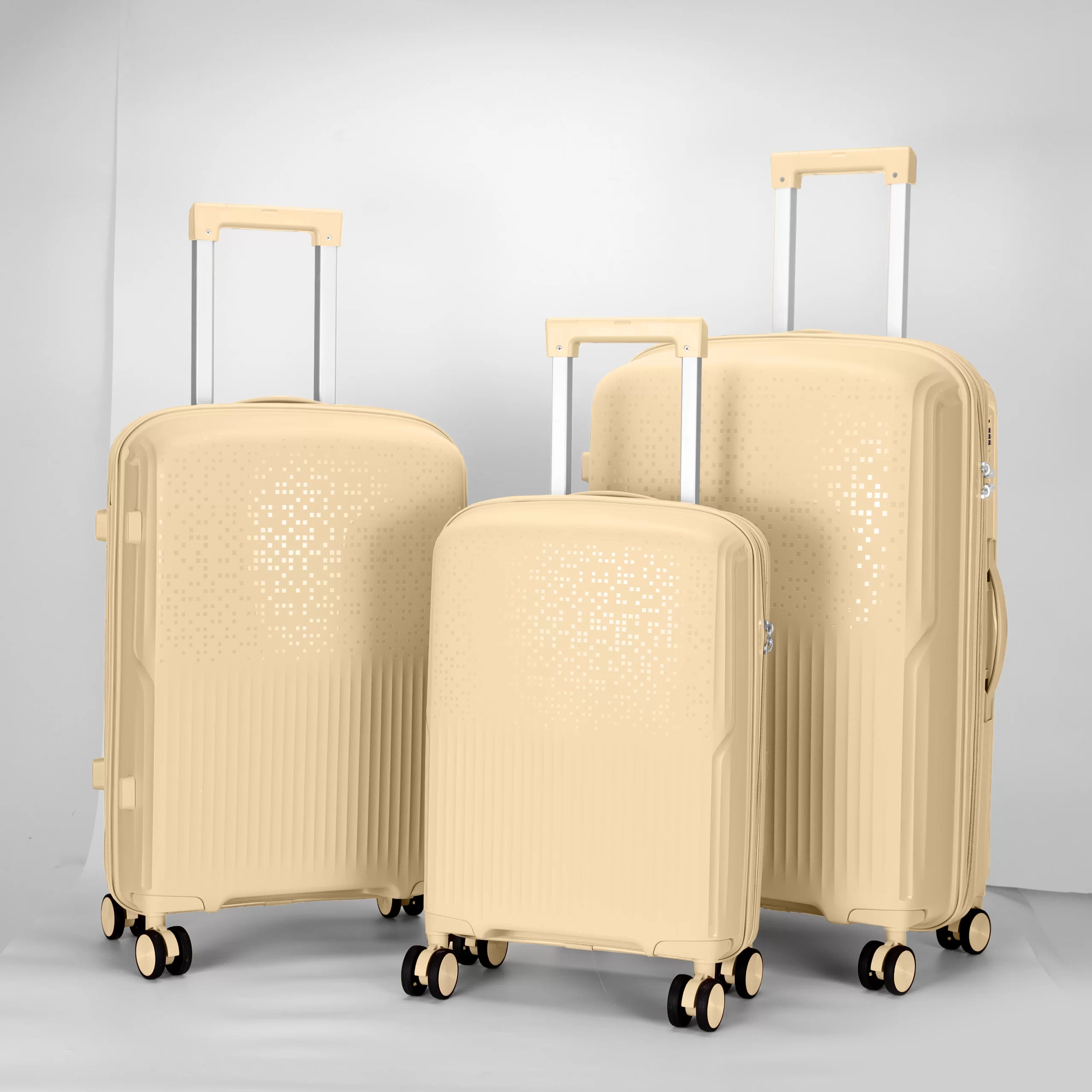
Multi-directional spinner wheels
Reinforced aluminum telescopic handles
TSA-approved lock systems
Expandable storage compartments
Scratch-resistant textured surfaces
Silent wheel systems for smoother movement
These innovations improve mobility within airports and reduce the risk of handling damage during transportation.
Many airlines also cooperate with reliable luggage suppliers to create baggage-friendly suitcase designs that fit cabin storage dimensions and automated sorting systems more efficiently.
As travel demand continues to increase globally, lightweight luggage solutions are expected to remain a major trend in the aviation industry.
Sustainability is becoming increasingly important for airlines and travelers alike. One reason PP luggage continues gaining popularity is its potential environmental advantages compared with heavier traditional materials.
Because polypropylene is lightweight, aircraft carrying lighter baggage consume less fuel overall. Even small reductions in average luggage weight can contribute to lower carbon emissions over millions of annual flights.
Additionally, many pp luggage manufacturers now use recyclable polypropylene materials in their production processes. High-quality PP suitcases also tend to have longer service lives due to their flexibility and durability, reducing the frequency of replacement.
Travel brands are now combining sustainability with lightweight engineering to meet the expectations of environmentally conscious consumers.
This combination of performance and eco-awareness makes polypropylene luggage highly attractive within the modern travel market.
The airline industry’s preference for PP luggage closely aligns with consumer demand. Travelers today prioritize convenience, mobility, and durability when selecting travel luggage.
Some of the main reasons passengers choose lightweight PP suitcases include:
Easier Airport Mobility
Lightweight luggage is easier to push, pull, and lift through crowded terminals, escalators, and train stations.
Better Packing Flexibility
Travelers can pack more items while staying within airline baggage restrictions.
Improved Durability
Flexible PP shells reduce the likelihood of cracks and dents during long-distance travel.
Stylish Appearance
Modern PP luggage designs feature sleek textures, fashionable colors, and premium finishes suitable for both business and leisure travel.
Lower Long-Term Costs
Because polypropylene luggage is highly durable, travelers often use it for many years without needing frequent replacement.
These advantages explain why airlines, retailers, and consumers increasingly support the global expansion of polypropylene suitcase products.
With more than 24 years of industry experience, Tian Shangxing has continuously focused on customer market demand as the driving force behind product research, development, and production.
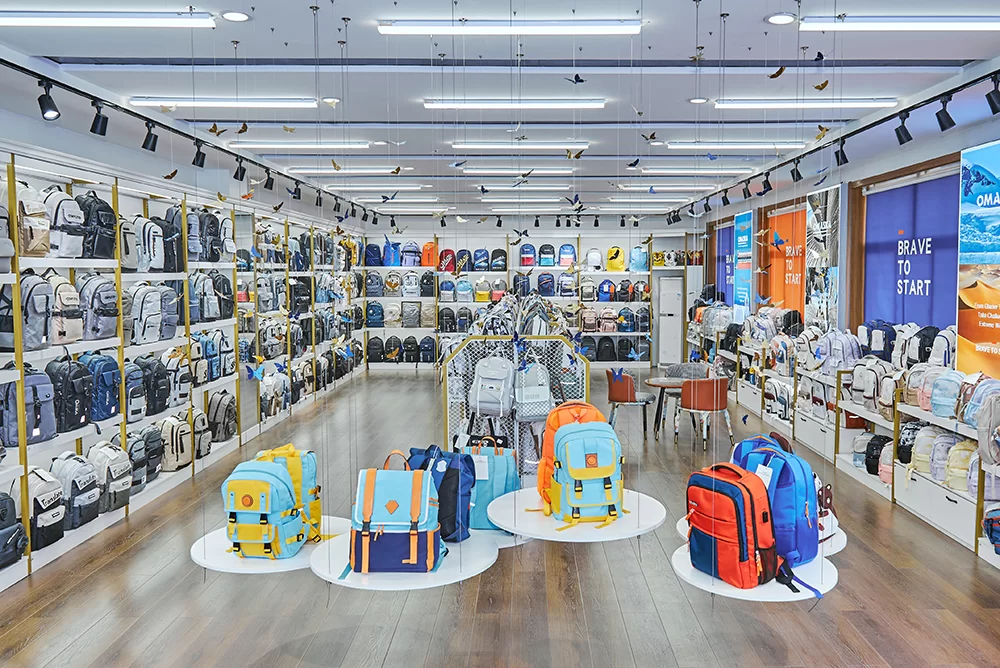
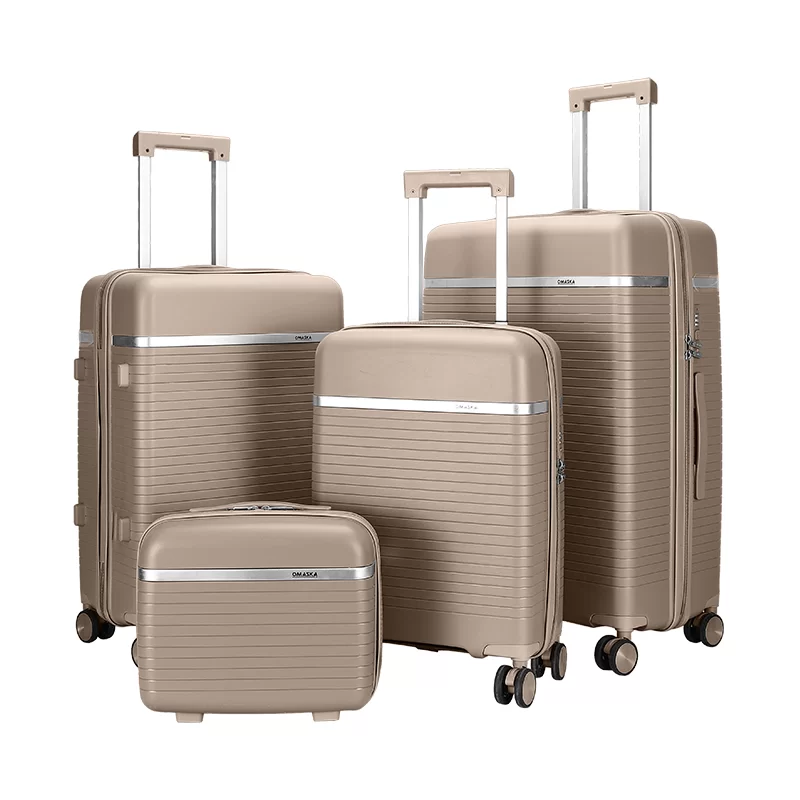
The company has successfully established multiple luggage brands, including OMASKA, Tianshang Xing, Inspur, Taya, Balmatik, and Rolling Joy. Among them, OMASKA has become one of the company’s leading international brands and has successfully registered trademarks in more than 30 countries and regions, including the European Union, the United States, and Mexico.
Today, OMASKA has established sales agents and brand image stores in more than 10 countries, demonstrating strong international market recognition.
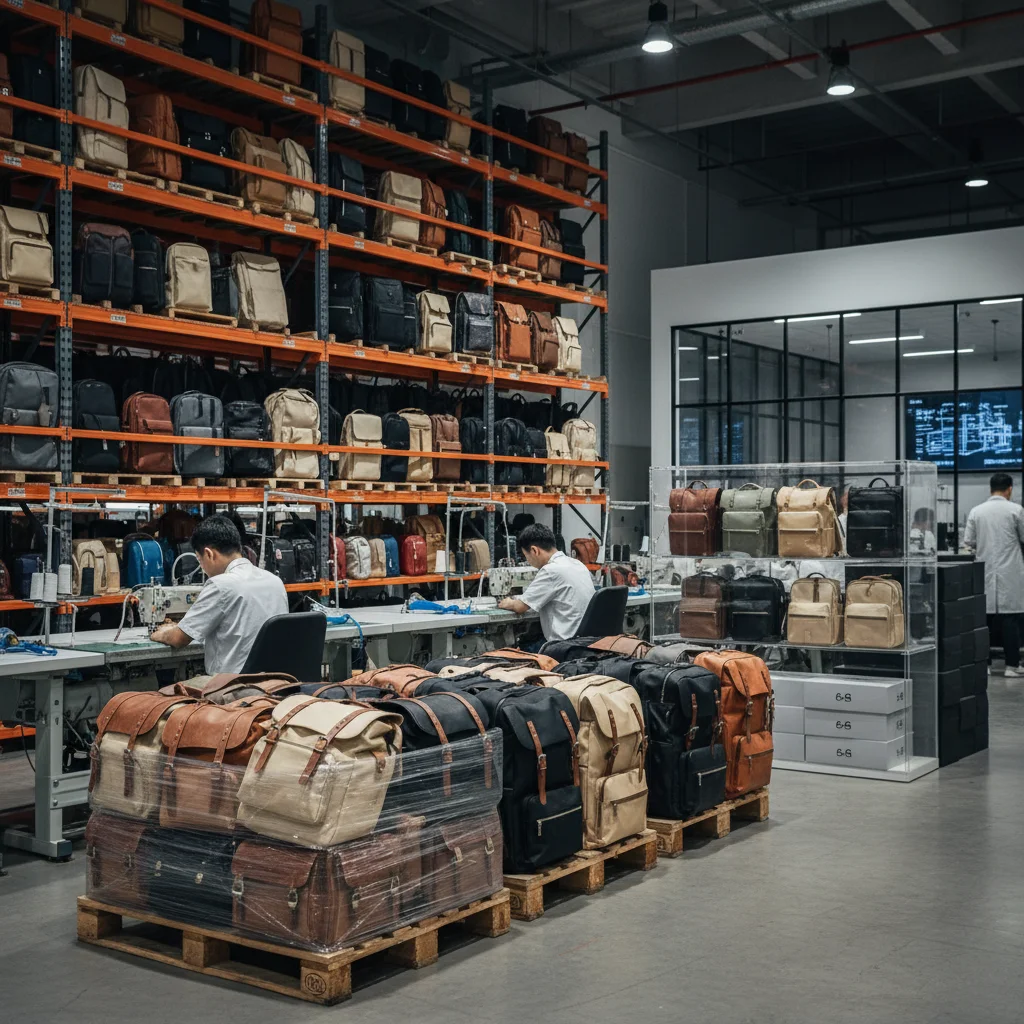
As a professional luggage manufacturer, Tian Shangxing provides both OEM and ODM solutions tailored to customer requirements. The company delivers comprehensive product tracking services throughout the manufacturing and shipping process, helping clients achieve a complete brand value experience.
Tian Shangxing’s dedication to innovation, quality control, and customer-focused manufacturing has earned the trust of major global clients. The company continues to deepen its expertise in luggage products while promoting fast fashion travel luggage development and driving innovation within the global luggage industry.
By combining lightweight PP suitcase technology with modern manufacturing capabilities, OMASKA luggage continues to help global buyers meet the evolving demands of airlines, retailers, and travelers worldwide.
As airlines continue seeking operational efficiency and passengers demand smarter travel products, lightweight polypropylene luggage will likely dominate future luggage trends.
The future development of pp luggage material may include:
Enhanced eco-friendly recyclable materials
Smarter integrated tracking systems
Ultra-light reinforced shell technologies
Improved anti-scratch surfaces
Advanced ergonomic handling designs
Airlines increasingly value luggage that reduces handling costs while improving customer satisfaction. PP suitcases provide an ideal balance between durability, weight reduction, and affordability.
For manufacturers, travel brands, and global distributors, polypropylene luggage represents one of the strongest growth opportunities in the modern travel goods industry.
PP luggage material refers to polypropylene, a lightweight and flexible thermoplastic commonly used in hard-shell suitcase manufacturing. It offers strong impact resistance and excellent durability for air travel.
Airlines prefer lightweight PP luggage because it reduces baggage weight, improves handling efficiency, minimizes damage risks, and helps lower fuel consumption.
In many cases, PP luggage is more flexible and impact-resistant than ABS luggage. While ABS may crack under heavy pressure, polypropylene better absorbs shocks during transportation.
Yes. PP suitcases are highly suitable for international travel because they are lightweight, durable, water-resistant, and resistant to rough baggage handling.
Yes. Many polypropylene suitcase materials are recyclable, making them a more environmentally friendly option compared with some traditional luggage materials.
Yes. OMASKA and Tian Shangxing provide both OEM luggage and ODM luggage manufacturing services according to customer requirements, including product customization and comprehensive production tracking support.
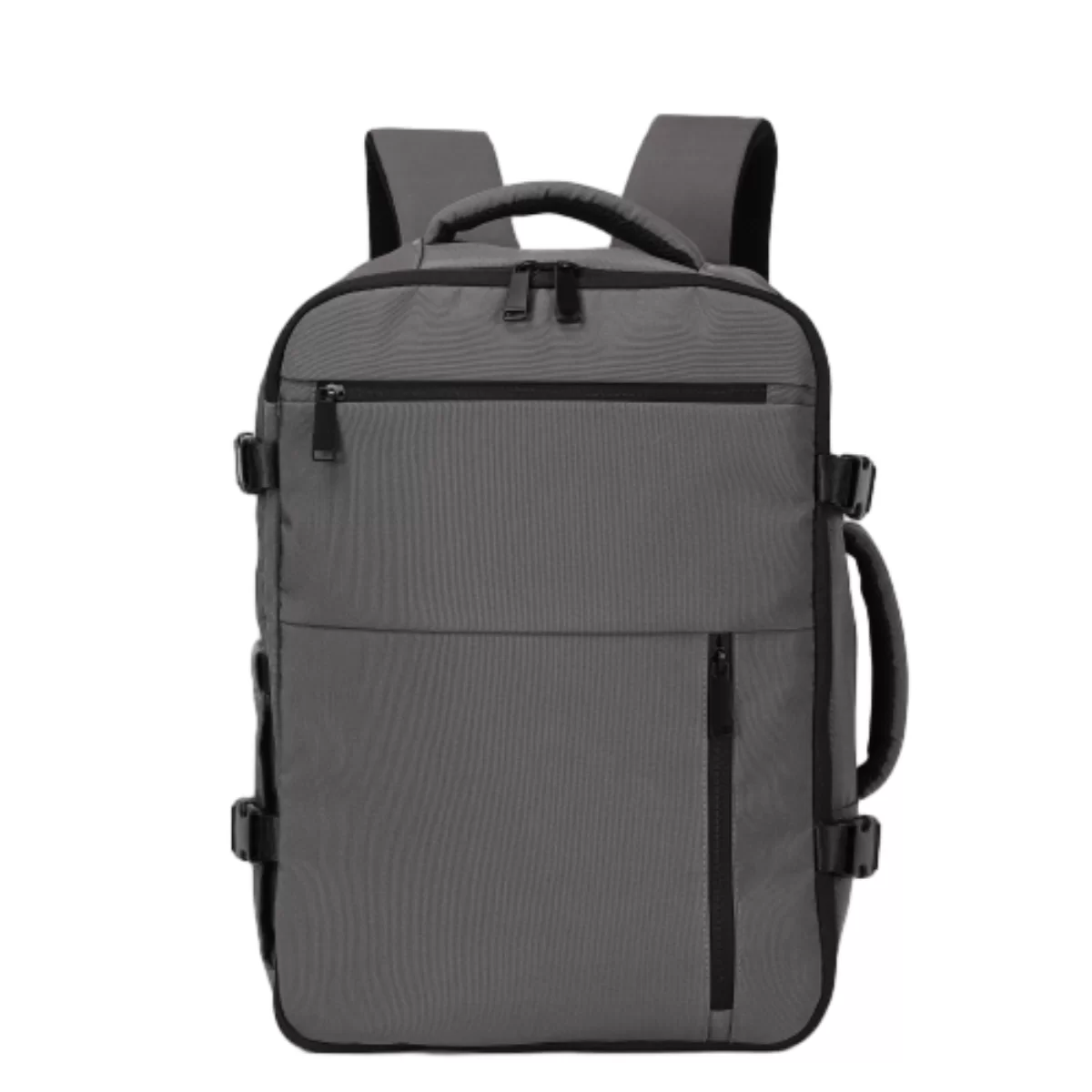
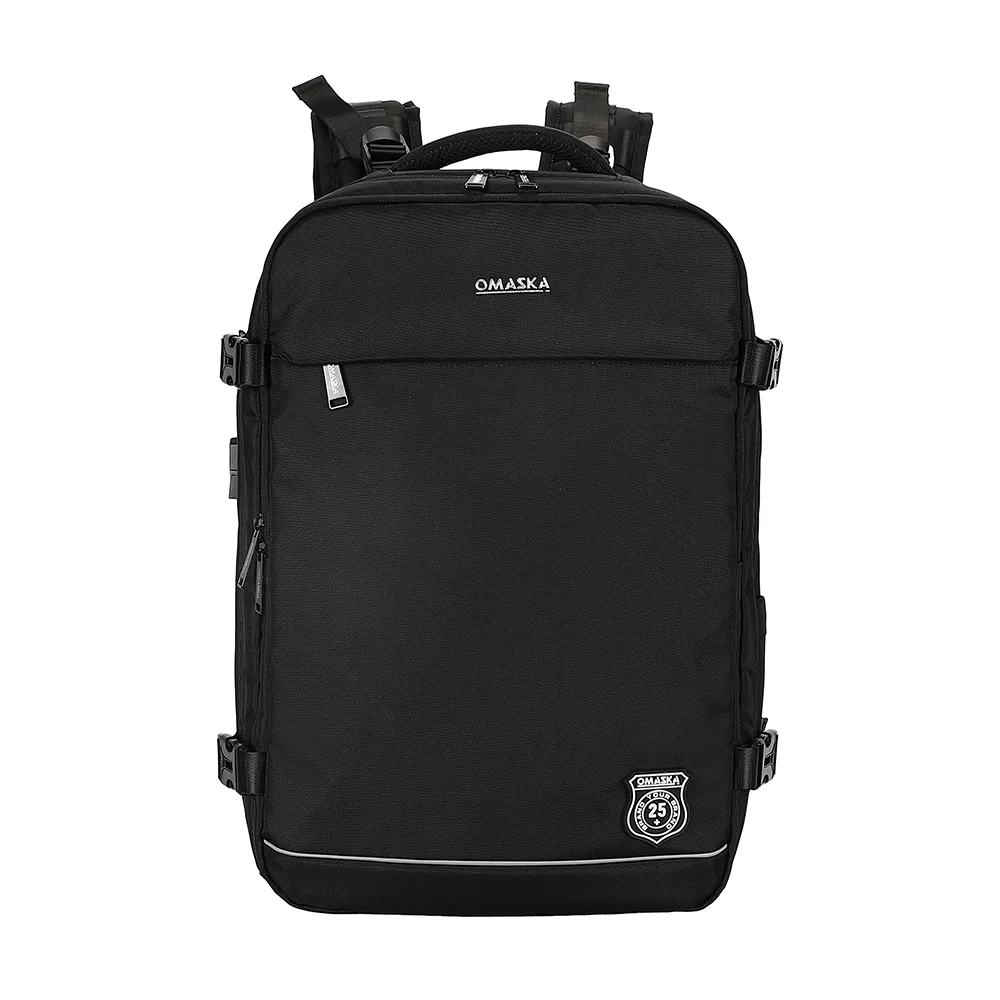
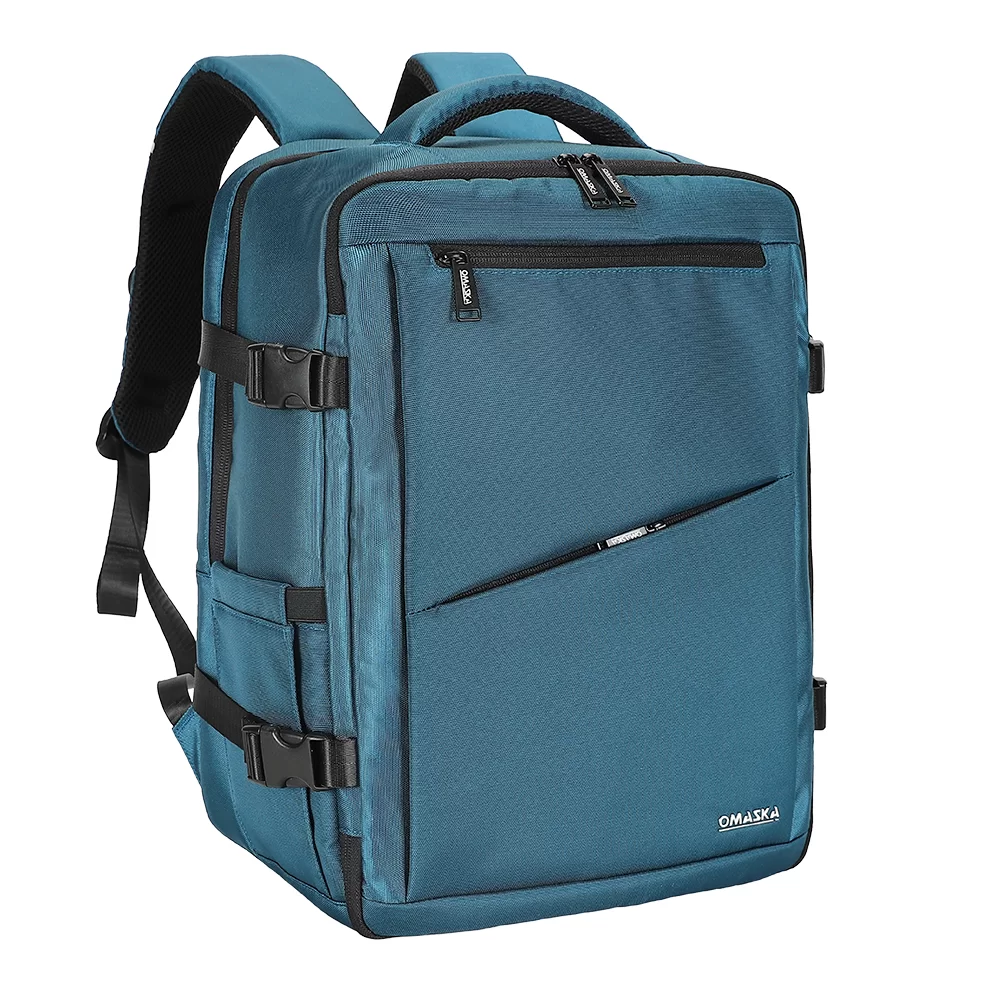
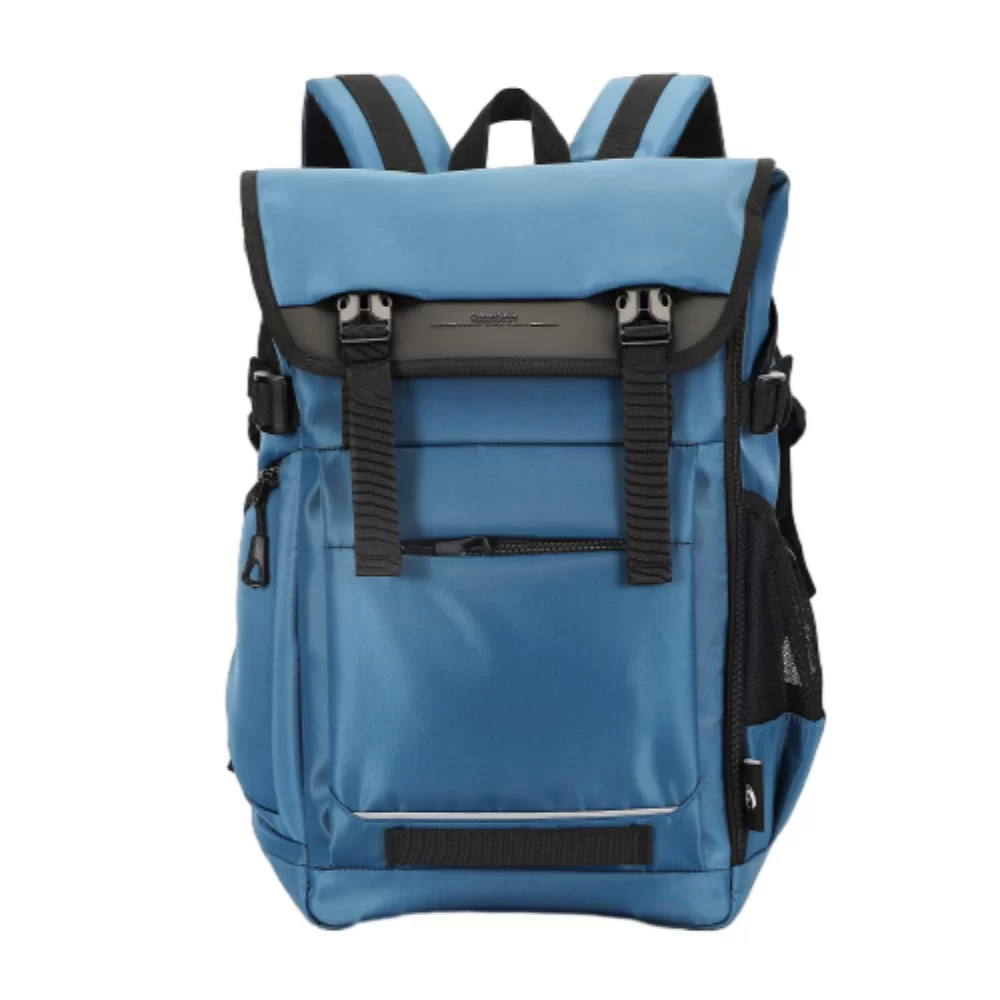
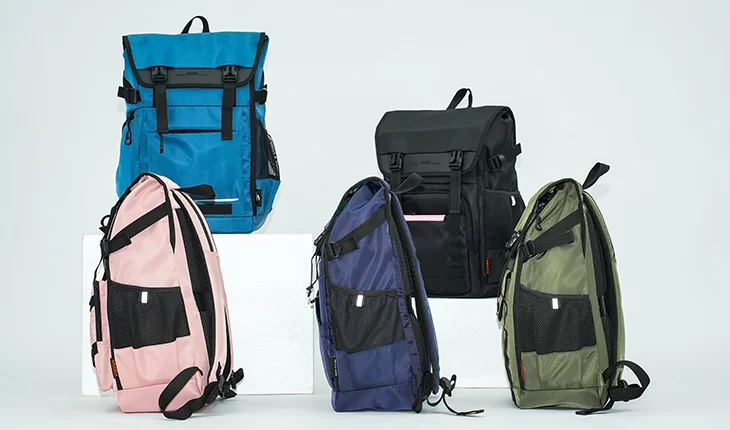
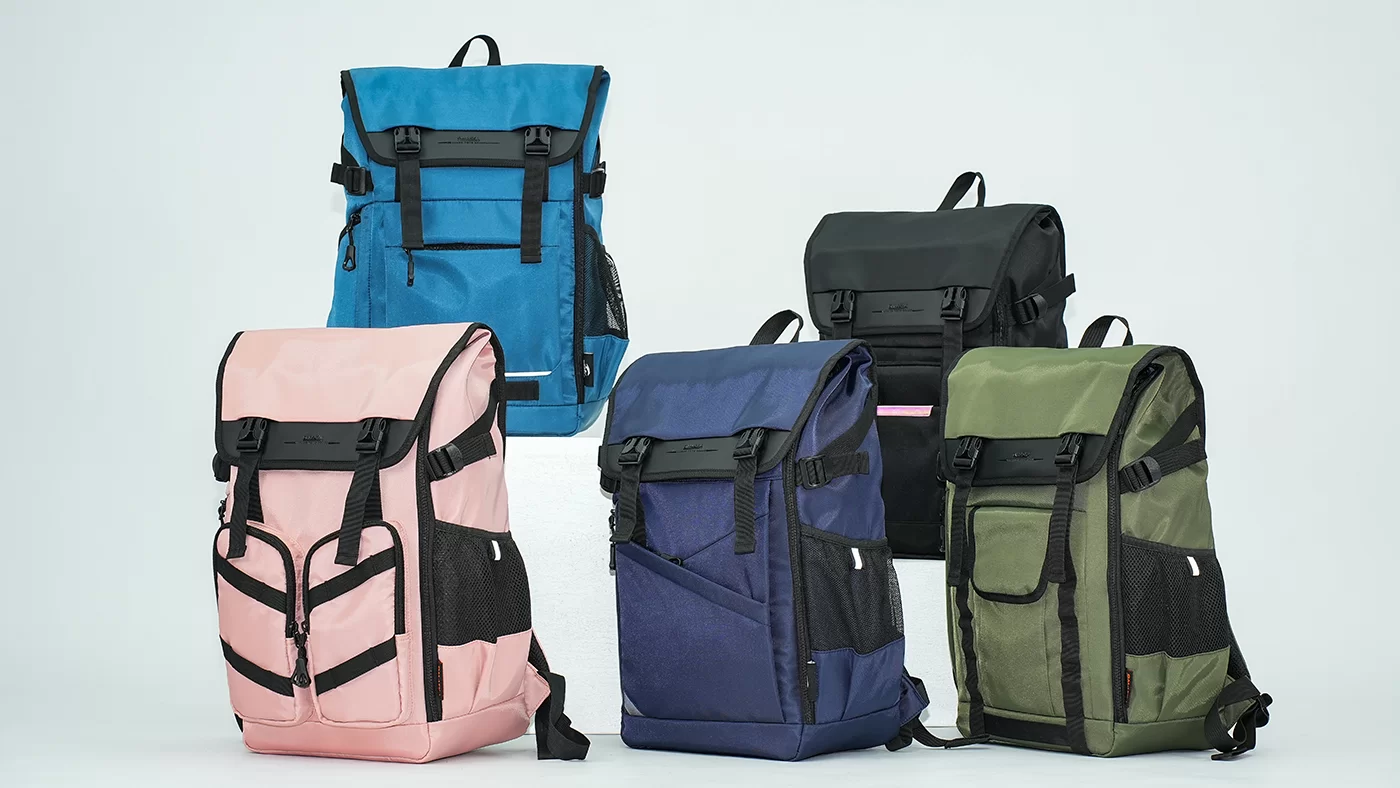
Multifunctional Leisure Backpack 24136C
Our multifunctional leisure backpack is designed for versatility and comfort. Ideal for outdoor adventures, travel, or daily use, it features multiple compartments for organized storage of clothing, gadgets, and essentials. Durable materials and water-resistant coatings protect belongings from light rain and spills. Padded straps and an ergonomic back panel provide comfort during extended wear. Lightweight yet robust, it suits hiking, sightseeing, or casual outings. With its practical design, durability, and modern aesthetic, this Omaska backpack meets the needs of travelers and adventurers seeking convenience, functionality, and style in one reliable bag.
Hit enter to search or ESC to close


If you are interested in our products, you can choose to leave your information here, and we will be in touch with you shortly.