
11 May 2026
When shopping for luggage, most travellers focus on size, wheels, or design. However, the suitcase material is one of the most important factors affecting durability, weight, appearance, sustainability, and long-term performance.
Modern luggage manufacturers commonly use five major materials:
Polycarbonate (PC)
Polypropylene (PP)
ABS
Aluminium
RPET (Recycled PET)
Each material has unique advantages and disadvantages. Choosing the right one depends on your travel habits, budget, and performance expectations.
This guide explains the differences between these suitcase materials to help you select the best luggage for business travel, vacations, international flights, and daily mobility.
The shell material determines how well your luggage performs under pressure. Airports, baggage handling systems, overhead compartments, and rough transportation can quickly damage low-quality luggage.
A good suitcase material impacts:
Impact resistance
Scratch resistance
Weight
Waterproof performance
FlexibilityLongevity
Sustainability
Overall travel comfort
Understanding these characteristics helps travellers avoid cracked shells, broken corners, and unnecessary replacement costs.
Polycarbonate (PC) is a premium thermoplastic known for high impact resistance and flexibility. It is widely used in high-end luggage because it combines lightweight construction with strong durability.
Many luxury luggage brands prefer PC shells for frequent travelers.
1. Excellent Impact Resistance
PC suitcases can absorb shocks without cracking easily. Instead of breaking, the shell tends to flex and return to shape.
This makes PC ideal for:
International flights
Frequent air travel
Rough baggage handling
2. Lightweight Design
Compared with aluminium luggage, PC suitcases are significantly lighter.
This helps travellers:
Avoid airline overweight fees
Carry luggage more comfortably
Increase packing capacity
3. Premium Appearance
PC luggage usually features:
Glossy surfaces
Modern textures
Elegant finishes
It is commonly used for premium and business-class travel collections.
More expensive than ABS
Surface may scratch over time
Lower rigidity compared to aluminium
Best For
PC suitcases are ideal for:
Business travelers
Frequent flyers
Travelers wanting lightweight premium luggage
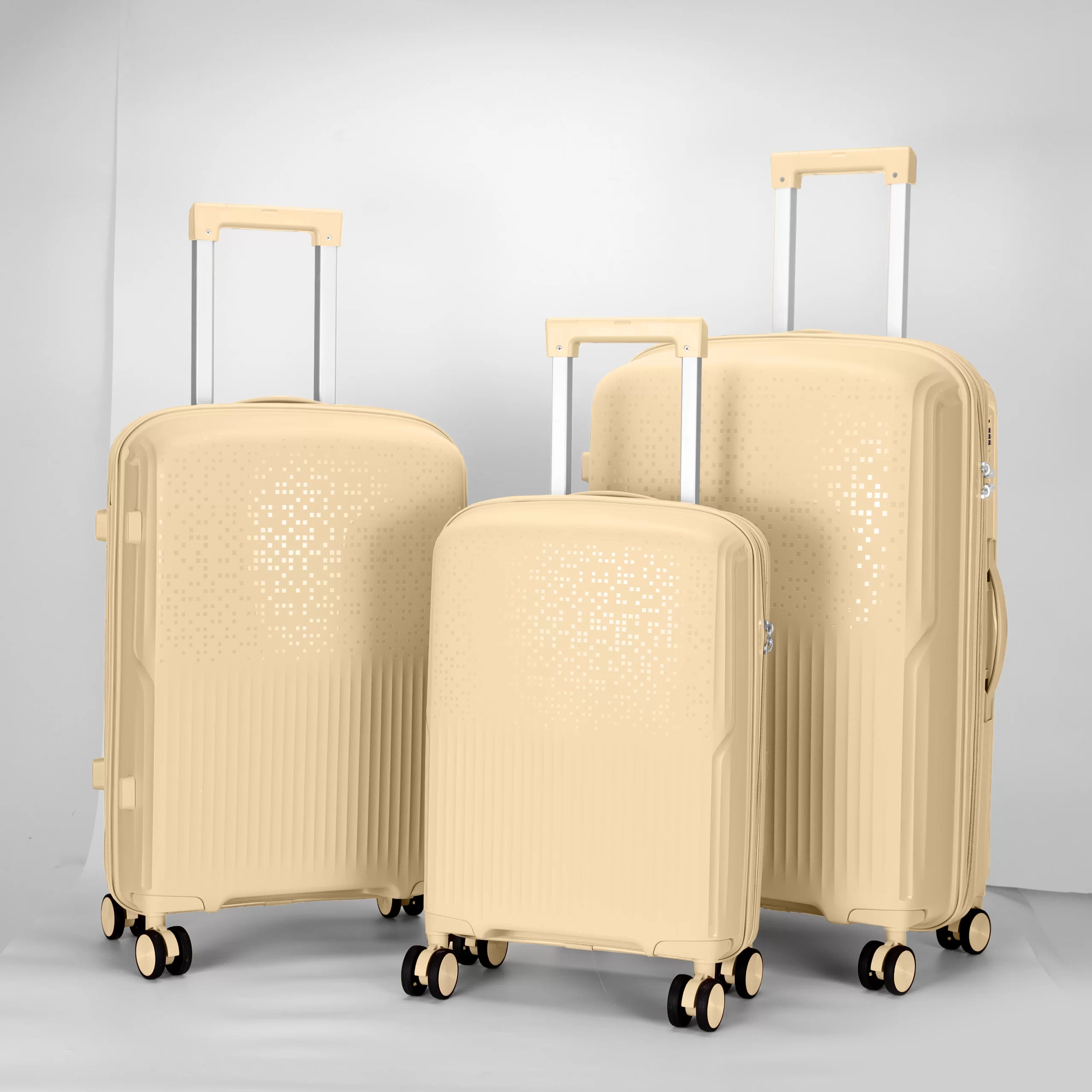
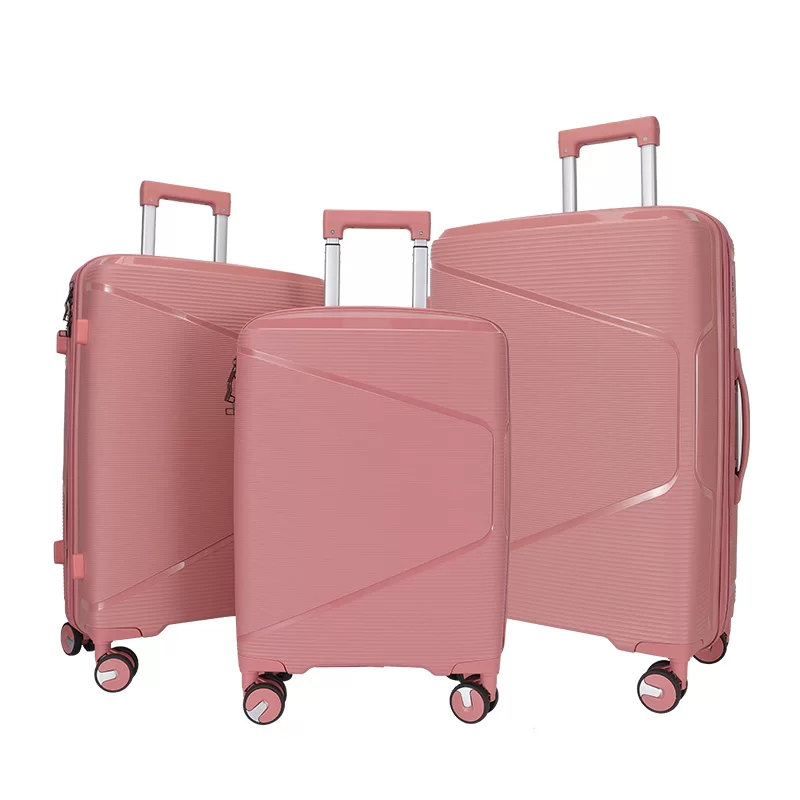
Polypropylene (PP) is one of the strongest and most flexible suitcase materials available today. It offers outstanding toughness while remaining relatively lightweight.
PP luggage has become increasingly popular for durable hard-shell suitcases.
1. Superior Flexibility
PP shells can withstand heavy pressure and bending without cracking.
This flexibility makes them highly resistant to airport handling damage.
2. Strong Chemical and Water Resistance
PP performs well in humid or wet environments and resists many chemicals.
This makes it suitable for:
Outdoor travel
Long-distance trips
Harsh environments
3. Lightweight Yet Durable
PP provides an excellent balance between:
Weight
Durability
Cost efficiency
Usually less glossy than PC
Design textures may appear simpler
Slightly higher cost than ABS
Best For
PP luggage is excellent for:
Family travel
Adventure travel
Long-term frequent use
Travelers prioritizing durability
ABS (Acrylonitrile Butadiene Styrene) is one of the most common entry-level suitcase materials.
It is affordable, lightweight, and easy to manufacture, making it popular in budget luggage collections.
1. Affordable Price
ABS suitcases are usually the most cost-effective hard-shell luggage option.
They are ideal for travelers seeking budget-friendly luggage solutions.
2. Lightweight Construction
ABS is relatively light, helping reduce travel strain and airline weight concerns.
3. Easy Color and Design Customization
Manufacturers can easily produce ABS luggage in:
Bright colors
Fashion patterns
Trendy textures
This makes ABS popular in retail markets.
1. Lower Impact Resistance
Compared with PC or PP, ABS is more likely to:
Crack
Dent
Break under strong impact
2. Shorter Lifespan
Frequent travel may wear out ABS luggage faster than premium materials.
Best For
ABS luggage works best for:
Occasional travelers
Budget-conscious buyers
Short domestic trips
Aluminium luggage uses metal shell construction instead of plastic polymers. It is known for exceptional strength, luxury aesthetics, and professional appearance.
Many premium travel brands use aluminium for executive collections.
1. Maximum Durability
Aluminium provides superior protection against:
Crushing
Heavy impact
Compression damage
It is one of the strongest luggage materials available.
2. Premium Luxury Appearance
Aluminium luggage offers a distinctive professional look with:
Metallic finishes
Clean lines
High-end aesthetics
It is popular among executives and luxury travelers.
3. Enhanced Security
Metal shells are harder to puncture or damage compared with plastic luggage.
Many aluminium cases also include reinforced locking systems.
1. Heavier Weight
Aluminium luggage weighs more than PC, PP, or ABS suitcases.
This may reduce packing allowance.
2. Higher Cost
Aluminium cases are among the most expensive luggage options.
3. Surface Denting
Although extremely strong, aluminium may show visible dents and scratches after impact.
Best For
Aluminium luggage is ideal for:
Luxury travelers
Business executives
Professional equipment transport
High-security travel needs
RPET stands for Recycled Polyethylene Terephthalate. It is produced from recycled plastic bottles and sustainable materials.
RPET is increasingly used in eco-friendly luggage manufacturing, especially for soft-shell suitcases and interior linings.
1. Environmentally Friendly
RPET helps reduce:
Plastic waste
Carbon emissions
Environmental pollution
Eco-conscious consumers increasingly prefer sustainable luggage options.
2. Lightweight and Flexible
RPET fabrics are lightweight and suitable for:
Carry-on luggage
Soft luggage
Expandable bags
3. Modern Sustainable Branding
Many brands use RPET to demonstrate environmental responsibility and sustainability initiatives.
Less rigid than hard-shell materials
Lower impact resistance
Quality varies by manufacturer
Best For
RPET luggage is suitable for:
Eco-conscious travelers
Casual travel
Soft-shell luggage users
| Material | Durability | Weight | Price | Appearance | Sustainability |
| PC | High | Light | Medium-High | Premium | Moderate |
| PP | Very High | Light | Medium | Practical | Moderate |
| ABS | Medium | Light | Low | Fashionable | Low |
| Aluminium | Excellent | Heavy | High | Luxury | Recyclable |
| RPET | Medium | Very Light | Medium | Casual | Excellent |
The best suitcase material depends on your travel priorities.
Choose PC If You Want:
Premium lightweight luggage
Frequent travel durability
Stylish appearance
Choose PP If You Want:
Maximum flexibility
Excellent toughness
Long-lasting performance
Choose ABS If You Want:
Affordable luggage
Occasional travel use
Fashion-oriented designs
Choose Aluminium If You Want:
Luxury travel experience
Maximum protection
Executive appearance
Choose RPET If You Want:
Sustainable travel products
Eco-friendly materials
Lightweight soft luggage
Final Thoughts
Choosing the right suitcase material is essential for improving travel convenience, luggage durability, and long-term value.
While ABS offers affordability, PC and PP provide better overall durability for frequent travelers. Aluminium delivers unmatched premium protection, while RPET supports sustainable and environmentally responsible travel.
Before purchasing luggage, consider:
Travel frequency
Airline usage
Weight requirements
Budget
Sustainability goals
Investing in the right suitcase material can significantly improve your travel experience and reduce replacement costs over time.
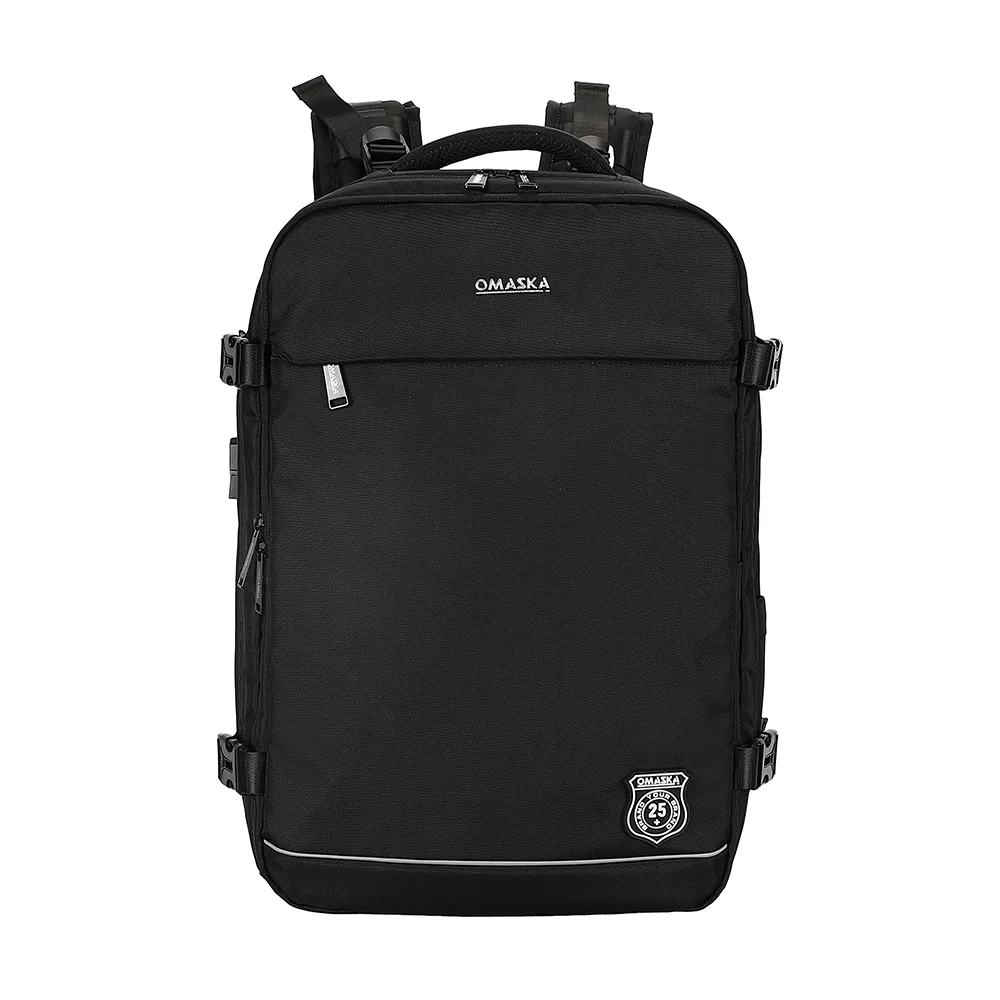
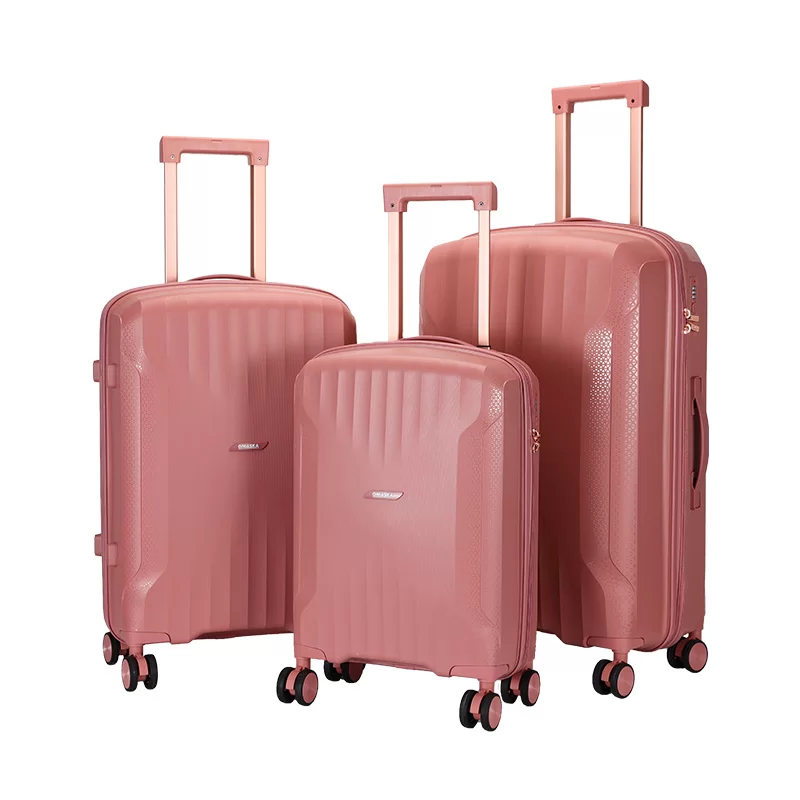
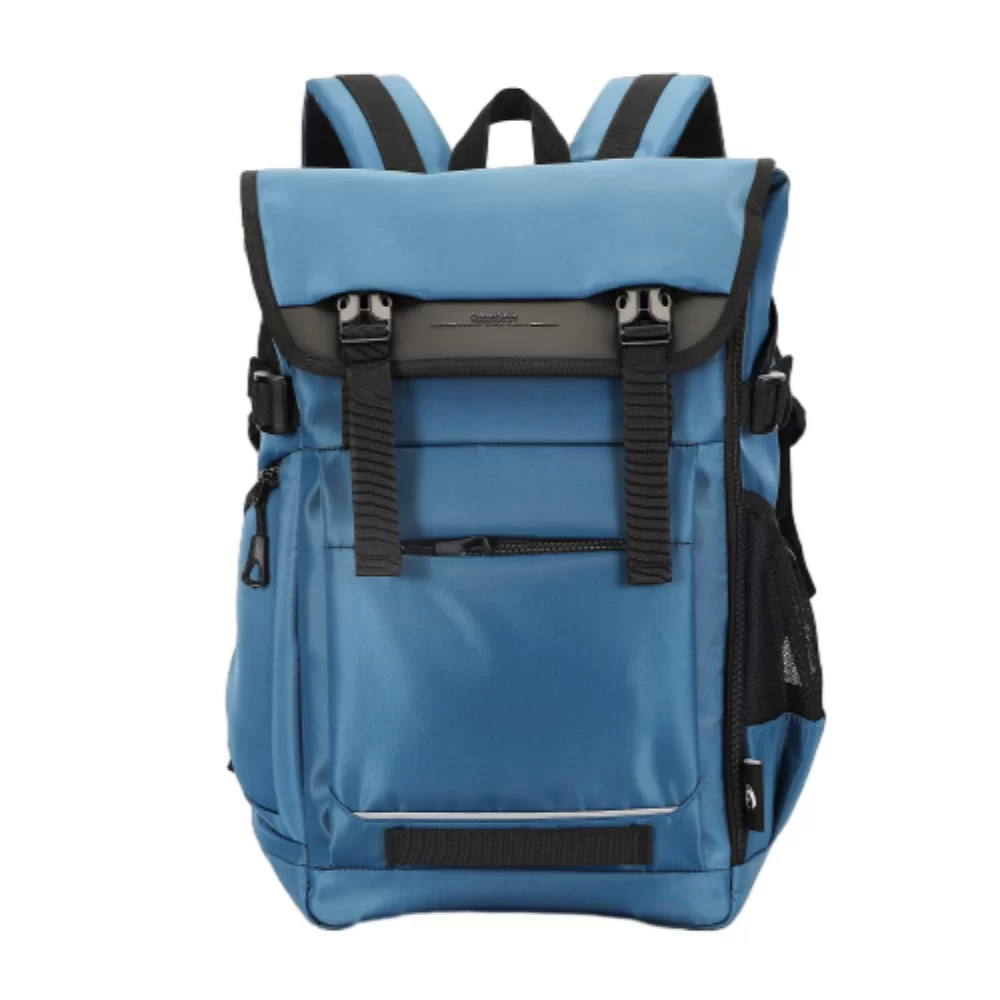
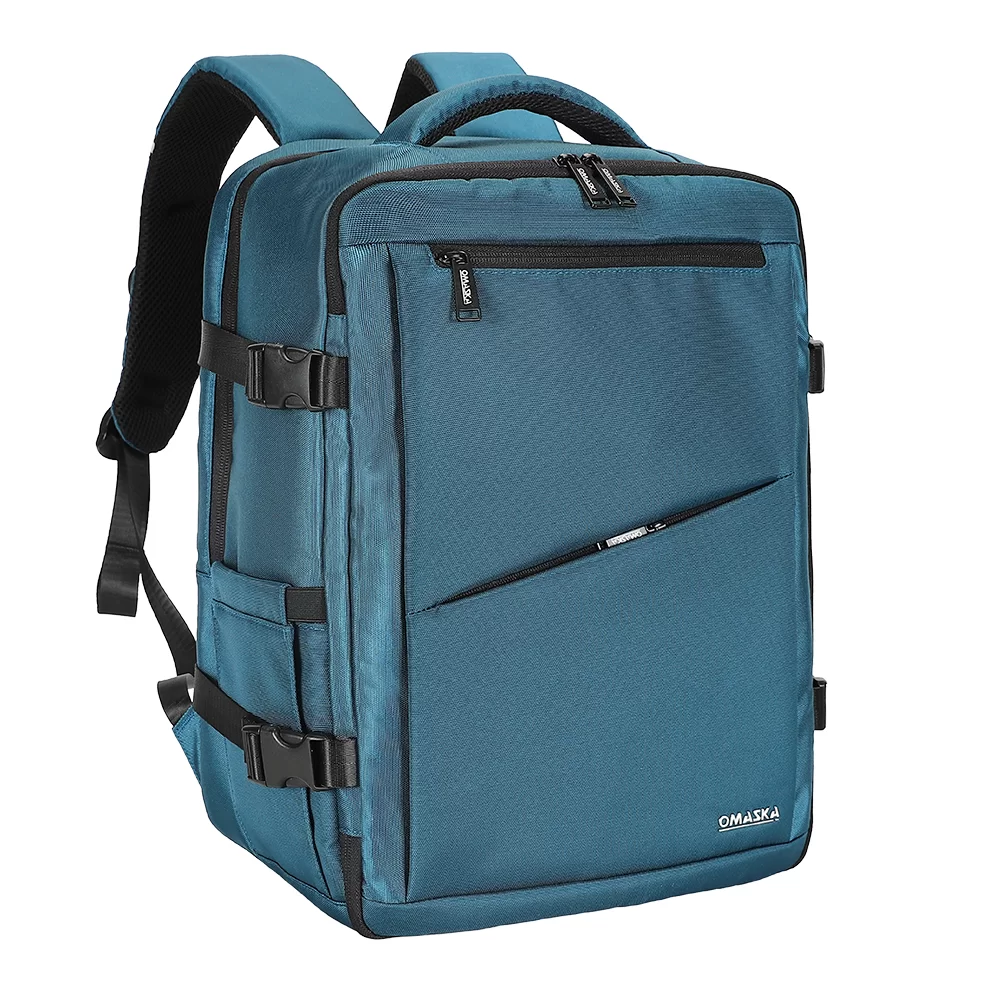
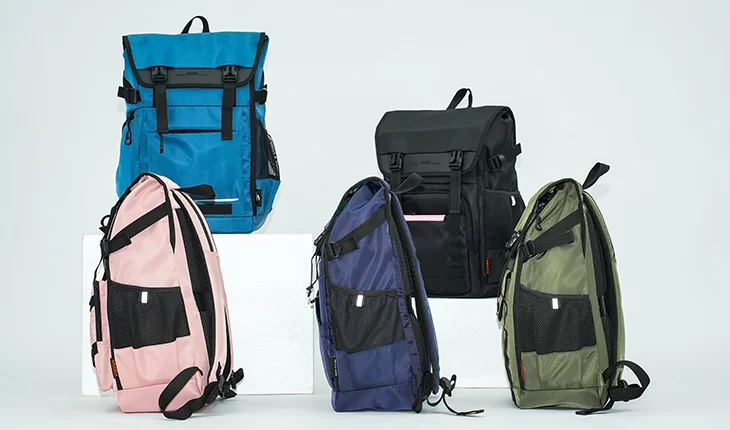
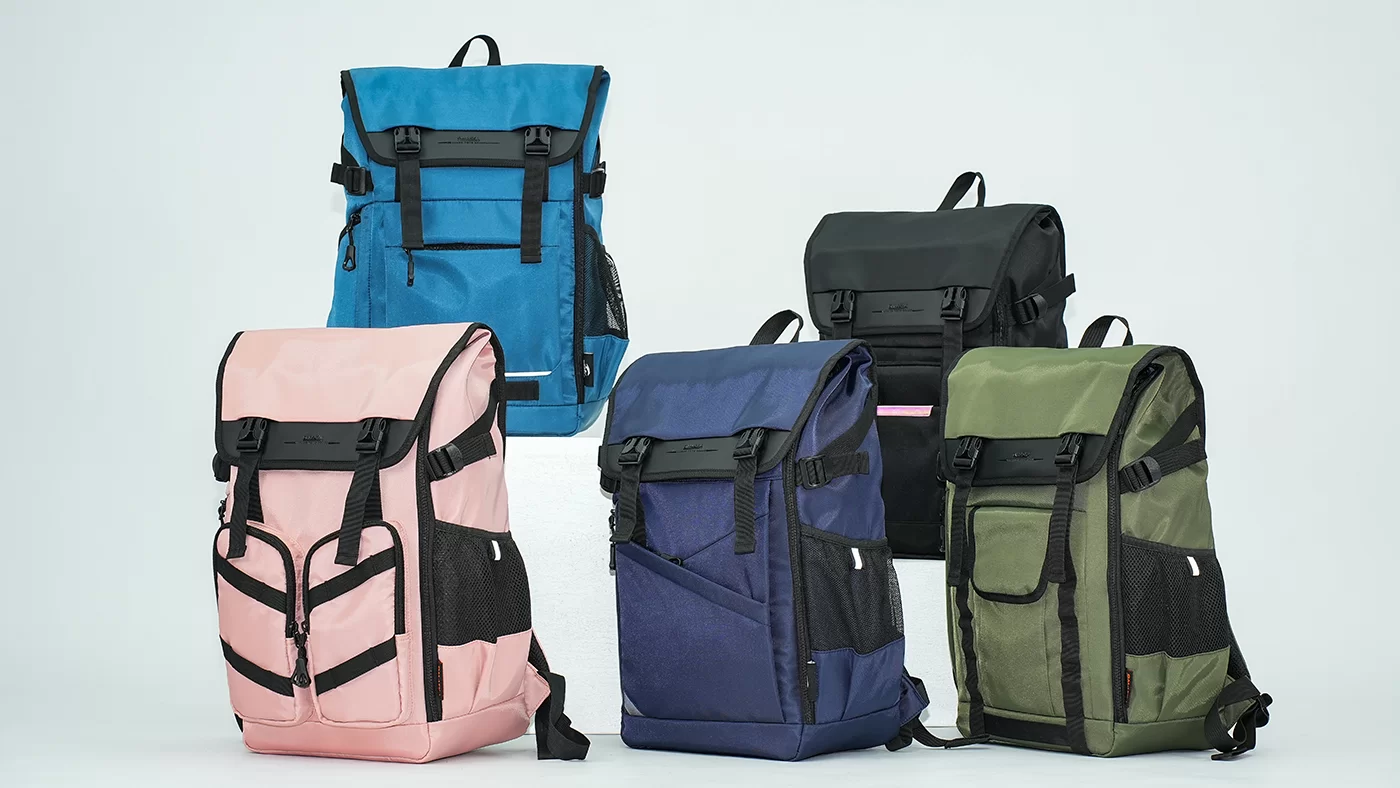
Multifunctional Leisure Backpack 24136C
Our multifunctional leisure backpack is designed for versatility and comfort. Ideal for outdoor adventures, travel, or daily use, it features multiple compartments for organized storage of clothing, gadgets, and essentials. Durable materials and water-resistant coatings protect belongings from light rain and spills. Padded straps and an ergonomic back panel provide comfort during extended wear. Lightweight yet robust, it suits hiking, sightseeing, or casual outings. With its practical design, durability, and modern aesthetic, this Omaska backpack meets the needs of travelers and adventurers seeking convenience, functionality, and style in one reliable bag.
Hit enter to search or ESC to close


If you are interested in our products, you can choose to leave your information here, and we will be in touch with you shortly.