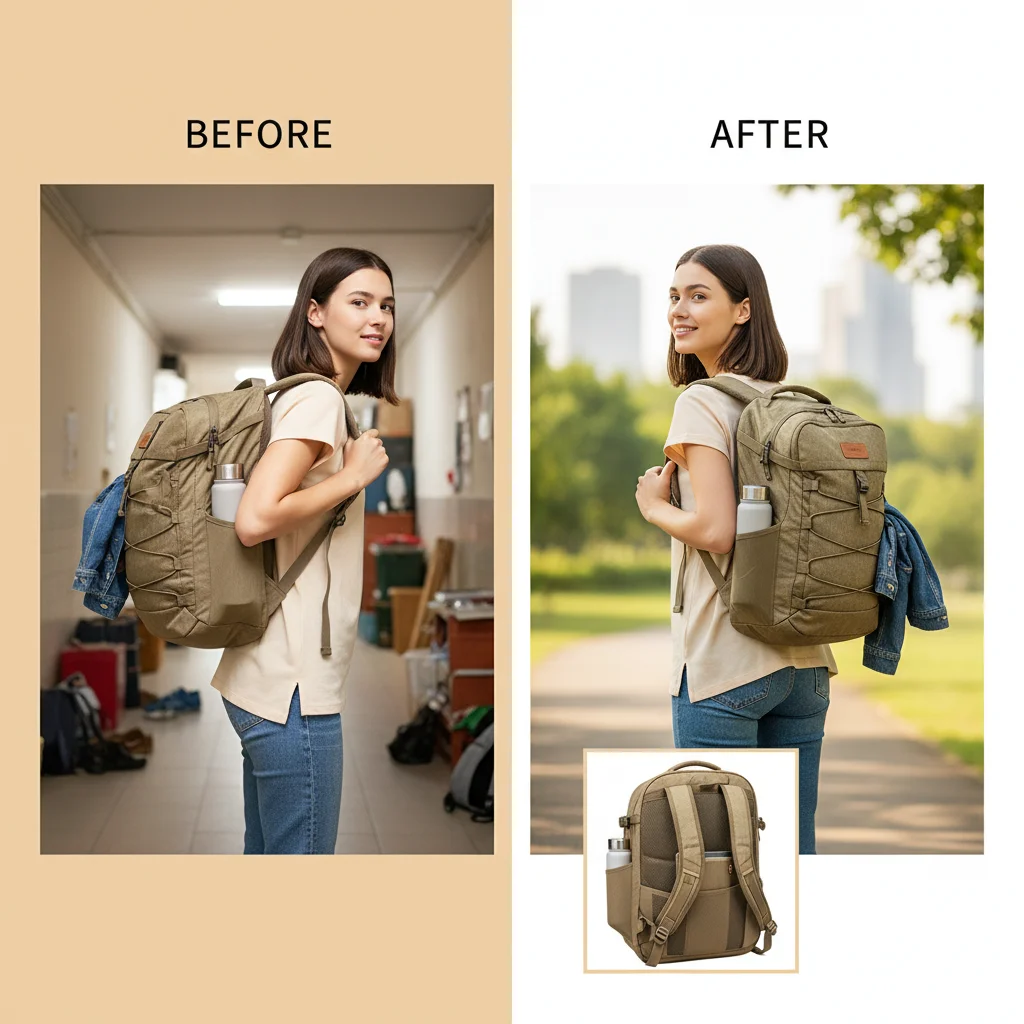
The evolution of the modern carry solution has led to a surge in demand for the rucksack backpack, a versatile hybrid that blends the rugged durability of outdoor gear with the organizational precision of a professional briefcase. In an era of hybrid work and global mobility, the ability to transport sensitive electronics alongside personal essentials is no longer a luxury but a necessity for the urban professional.
Across the global manufacturing landscape, specifically within the specialized leather and textile industries, the engineering of a high-performance rucksack backpack involves a complex balance of material science and ergonomic design. From the selection of high-density nylon to the integration of moisture-wicking mesh, every component is optimized to reduce physical strain while maximizing storage efficiency for the user.
Whether you are navigating a crowded subway in Tokyo or attending a corporate summit in New York, investing in a quality rucksack backpack ensures that your digital assets remain protected and your daily transit remains effortless. Understanding the technical specifications of these bags is the first step toward choosing a dependable companion for your professional journey.

Global Relevance of the Rucksack Backpack
The global shift toward "digital nomadism" and flexible workspaces has fundamentally changed how we perceive portable storage. Market data indicates a consistent rise in the adoption of the rucksack backpack among white-collar professionals who require a seamless transition between home offices, co-working spaces, and airports. This trend is driven by the need for a single, durable vessel capable of housing a 17-inch laptop, peripherals, and overnight essentials.
However, this increased reliance has highlighted a critical challenge: the "weight-distribution paradox." Many users suffer from chronic shoulder and back strain due to poorly designed bags that lack ergonomic support. The industry is now pivoting toward bio-mechanical designs that distribute axial loads more effectively, ensuring that the rucksack backpack serves as a tool for productivity rather than a source of physical discomfort.
Defining the Modern Rucksack Backpack
At its core, a rucksack backpack is a specialized carry-all designed to bridge the gap between a traditional hiking pack and a professional laptop bag. Unlike a standard school bag, the modern professional version emphasizes structural integrity and targeted organization. It is characterized by a reinforced chassis, high-denier water-resistant fabrics, and a dedicated internal architecture designed to shield fragile electronics from external impact.
In the context of modern industry, these bags have become essential mobile workstations. The integration of padded sleeves, secure zipper pockets, and ergonomic straps transforms the bag into a protective shell for high-value digital assets. This evolution reflects a broader humanitarian and professional need for mobility—allowing workers to carry their entire office on their backs without sacrificing a polished, corporate aesthetic.
Ultimately, the rucksack backpack is defined by its versatility. It must be rugged enough to withstand the friction of a crowded commute, yet elegant enough to be acceptable in a boardroom. By combining the "load-bearing" philosophy of outdoor gear with the "organization" philosophy of office accessories, it provides a comprehensive solution for the multi-hyphenate lifestyle of the 21st century.
Core Components of High-Performance Bags
The foundation of any premium rucksack backpack is its material composition. High-density nylon and polyester are favored for their hydrophobic properties and abrasion resistance. These materials ensure that whether the user is facing a sudden rainstorm or the rough surfaces of public transit, the interior contents remain dry and secure.
Ergonomic load distribution is the second critical pillar. A high-quality rucksack backpack utilizes S-shaped padded shoulder straps and a breathable, 3D-air mesh back panel. This design prevents heat buildup against the wearer's back and shifts the center of gravity toward the core, significantly reducing the perceived weight of heavy laptops and chargers.
Finally, internal geometry defines the user experience. The inclusion of a "floating" laptop sleeve—which ends an inch above the bottom of the bag—is a hallmark of a superior rucksack backpack. This architectural detail prevents the laptop from hitting the ground during sudden drops, providing an essential layer of impact mitigation for expensive hardware.
Global Applications and Professional Use Cases
In real-world contexts, the application of a professional rucksack backpack varies by industry. For business consultants and executives, these bags serve as "transit hubs," allowing them to carry documents, tablets, and laptops across international borders. The integration of a luggage trolley strap is particularly vital here, enabling the bag to slide securely onto rolling suitcase handles for effortless airport navigation.
Beyond corporate environments, these bags are indispensable in remote industrial zones and field research. Engineers and architects often use a rucksack backpack to transport blueprints and ruggedized tablets to construction sites. The water-resistant exterior and reinforced stitching ensure that the gear survives dusty and unpredictable outdoor environments while keeping technical documents pristine.
Performance Analysis of Rucksack Backpack Categories
Long-Term Value and User Advantages
The tangible value of a premium rucksack backpack extends far beyond simple storage. From a financial perspective, the durability of high-grade nylon and reinforced zippers reduces the frequency of replacement, offering a lower cost-per-use over a 3-to-8-year lifespan. Logically, the organization provided by multiple dedicated pockets reduces cognitive load and time wasted searching for small accessories during high-pressure workdays.
Emotionally, the right bag provides a sense of security and professional confidence. Knowing that a 17-inch laptop is cocooned in EVA foam and shielded by water-resistant fabric removes the anxiety associated with unpredictable weather or accidental bumps. This trust in one's equipment allows the professional to focus entirely on their performance, effectively turning the bag into a silent partner in their career success.
Future Innovations in Bag Manufacturing
The next frontier for the rucksack backpack lies in the integration of sustainable materials and smart technology. We are seeing a shift toward recycled ocean plastics and bio-based polymers that maintain the strength of ballistic nylon while reducing the environmental footprint. This transition toward "Green Manufacturing" is not just a trend but a requirement as global brands align with ISO environmental standards.
Furthermore, the digital transformation of the bag is underway. Future iterations may include integrated solar panels for device charging and RFID-blocking fabrics embedded directly into the lining to protect against digital theft. These innovations will transform the bag from a passive container into an active utility device that supports the energy needs of the modern tech-heavy professional.
Automation in the cutting and stitching process is also increasing precision. Laser-cut fabrics and ultrasonic welding are replacing traditional seams in some high-end models, creating entirely waterproof shells without the need for bulky zippers. This move toward seamless construction will further enhance the sleek, minimalist aesthetic desired by the corporate market.
Maintenance Protocols for Extended Lifespans
To preserve the deep matte finish and structural integrity of a black rucksack backpack, a professional care protocol is essential. The most common mistake is the use of mechanical washing machines, which can strip hydrophobic coatings and deform the internal padding. Instead, spot cleaning with a pH-neutral detergent and a microfiber cloth is recommended to remove surface grime without damaging the fibers.
Hardware maintenance is equally critical. Zipper tracks can accumulate grit and dust, leading to friction and eventual failure. Periodically brushing the tracks and applying a silicone-based lubricant ensures a smooth glide and prevents the "teeth" from splitting under the pressure of a fully loaded bag.
Finally, storage plays a significant role in longevity. Exposure to direct ultraviolet (UV) light can bleach black pigments, turning a professional bag into a weathered charcoal gray. Storing the bag in a breathable dust bag in a shaded area prevents color fading and protects the fabric from static dust attraction.
Maintenance Matrix for Rucksack Backpack Longevity
| Maintenance Task | Execution Method | Frequency | Primary Benefit |
|---|
| Surface De-dusting | High-tack lint roller | Weekly | Maintains deep black finish |
| Hardware Lubrication | Silicone-based spray | Quarterly | Prevents zipper jamming |
| Spot Cleaning | pH-neutral soap & cloth | As needed | Removes stains safely |
| Hydrophobic Refresh | Fabric protectant spray | Annually | Restores water-repellency |
| UV Protection | Indoor shaded storage | Continuous | Eliminates pigment fading |
| Interior Vacuuming | Brush attachment vacuum | Monthly | Prevents debris in laptop vents |
FAQS
A professional rucksack backpack is engineered with specific technical requirements, including a dedicated padded laptop compartment (often floating to prevent bottom-impact damage), high-denier water-resistant nylon, and ergonomic weight distribution systems like S-shaped straps and breathable mesh back panels. While school bags focus on volume, professional bags focus on the protection of high-value electronics and a corporate-appropriate aesthetic.
Yes, provided the bag is specifically designed for that size. High-quality models utilize thick EVA foam or memory foam padding and a secure strap system to keep the device stable. The critical feature to look for is the "floating sleeve" design, which ensures the laptop does not make direct contact with the ground when the bag is set down, thus mitigating the risk of chassis damage.
Absolutely. Black is the industry standard for business travel because it maintains a professional appearance, complements any corporate outfit, and is the most effective at hiding dirt and wear from frequent transit. When paired with a minimalist design and high-quality hardware, it provides a sleek look that is appropriate for both airport terminals and executive boardroom meetings.
To maintain the hydrophobic properties, avoid harsh detergents and machine washing, which strip the chemical coating. Instead, use a damp cloth for cleaning and apply a specialized fabric protectant spray (such as Scotchgard) annually. This restores the water-repellent barrier and creates an additional layer of protection against oil and environmental stains.
For daily commuting, a capacity of 20–30 liters is generally ideal. This provides enough room for a laptop, charger, notebook, and a few personal essentials without becoming overly bulky. For those who use their bag for short business trips or overnight stays, a 30–39 liter capacity is recommended to accommodate a change of clothes while remaining airline-friendly as a carry-on.
Yes, especially for urban commuters and international travelers. Features such as hidden rear pockets for passports, RFID-blocking compartments for credit cards, and reinforced, lockable zippers provide significant peace of mind in crowded subway systems or airports. These additions transform the bag from a simple carrier into a secure vault for your most sensitive personal and digital information.
Conclusion
The modern rucksack backpack has evolved from a simple accessory into a critical piece of professional infrastructure. By synthesizing high-performance materials, ergonomic engineering, and strategic organization, it addresses the complex needs of the contemporary mobile workforce. From protecting expensive hardware with floating sleeves to ensuring wearer comfort via 3D-air mesh, every technical detail contributes to a more efficient and less stressful daily commute.
As we move toward a future of sustainable manufacturing and integrated smart technology, the importance of selecting a high-quality, durable carry solution only increases. We recommend investing in a bag that balances professional aesthetics with rigorous technical specifications to ensure long-term value and physical well-being. For those seeking the perfect blend of durability and style, visit our website: www.omaskafactory.com.