0%

Table of Contents

Backpacks. Seems simple, right? But spend a year lugging tools and blueprints across muddy construction sites, sweating in the summer heat, and wrestling with gear in tight spaces, and you realize just how crucial the right backpack can be. Different types of backpacks aren't just about fashion; they're about efficiency, durability, and frankly, your back’s health. From the basic daypack to specialized options built for heavy loads and harsh environments, understanding the nuances can save you time, money, and a whole lot of discomfort. A good backpack can mean the difference between a productive day and a frustrating one.        

       The sheer variety out there is staggering. You've got your standard school backpacks, sleek laptop bags, hiking packs built for wilderness adventures, and then you get into the really specialized stuff – tactical backpacks, camera bags, even backpacks designed for hydration. Each type has its strengths and weaknesses, dictated by materials, design features, and intended use. Choosing the wrong one can lead to premature wear and tear, organizational nightmares, or even injury. It's not a one-size-fits-all situation, especially when you’re dealing with the demands of a job site.        

       It's easy to dismiss a backpack as just a bag, but it's a fundamental piece of equipment for anyone who needs to carry gear on the move. Increasingly, we're seeing innovation in materials and design, driven by a need for greater durability, ergonomics, and specialized functionality.  The world demands robust and reliable carry solutions, and understanding these different types of backpacks is key to meeting that demand, whether you're a construction worker, a first responder, or just someone who needs a dependable bag for daily life.
different types of backpacks    
Table of Contents [Hide]        

The Importance of Different Types of Backpacks

different types of backpacks            

You see it all the time on site: guys with flimsy bags splitting at the seams, tools digging into their shoulders, or spending ten minutes just finding a wrench. That’s lost time, lost productivity, and a potential safety hazard. Different types of backpacks address these issues. A dedicated tool backpack with reinforced stitching and organized compartments isn't a luxury; it's a necessity. It’s about protecting your investment in tools, ensuring quick access, and minimizing strain on your body.            

           And it’s not just construction.  Emergency responders need backpacks that can withstand harsh conditions and carry life-saving equipment.  Remote field researchers require durable, weatherproof packs to protect sensitive instruments. Understanding the specific requirements of a task is the first step in selecting the correct backpack for the job.  Ignoring that can have serious consequences.

Defining Different Types of Backpacks

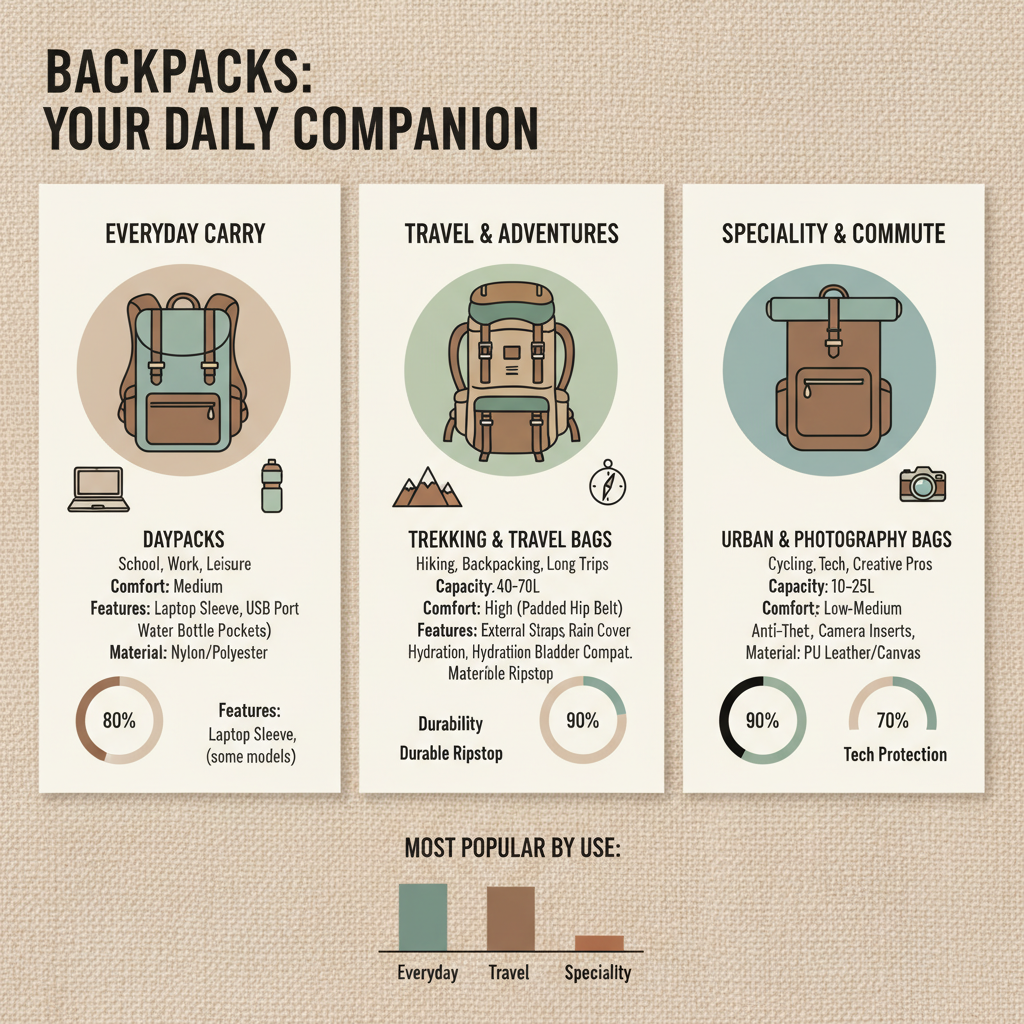
Let's break it down. We're talking about everything from your basic school backpack, designed for books and light loads, to highly specialized packs.  There are hiking backpacks, focused on comfort and load distribution for long treks. Then you have tactical backpacks, built for military and law enforcement, prioritizing durability and modularity. There's also the category of laptop backpacks, emphasizing protection for electronics. And increasingly popular, we see dedicated tool backpacks for tradespeople.        

       The distinction isn't just about the look. It’s about the internal structure, the materials used, and the features incorporated. A true tool backpack, for instance, will have multiple reinforced compartments, heavy-duty zippers, and a padded back panel. A hiking pack will prioritize ventilation and ergonomic support. Recognizing these differences is critical.        

       Ultimately, different types of backpacks are defined by their intended purpose and the features designed to support that purpose. It's not simply a bag; it’s a system designed to optimize carry and access.  Ignoring that design intent is a recipe for frustration.

Key Factors in Backpack Selection

When I'm evaluating a backpack, there are a few things I immediately look at. First is durability.  Can the materials withstand abrasion, punctures, and the general abuse of a construction site?  Look for reinforced stitching, heavy-duty zippers, and water-resistant fabrics.  Second, capacity and organization are critical.  You need enough space for your gear, but also a logical layout to keep everything accessible.

Comfort is often overlooked, but it’s huge.  A poorly designed backpack can wreak havoc on your back and shoulders.  Look for padded shoulder straps, a supportive back panel, and adjustable sternum and waist straps to distribute the load evenly.  Then there's weight.  The backpack itself shouldn't be excessively heavy, especially if you're already carrying a substantial load.  Finally, specialized features are important. Tool loops, hydration compatibility, or dedicated laptop compartments can make a big difference depending on your needs.

These aren’t just marketing buzzwords; they directly impact your efficiency and well-being on the job. A well-chosen backpack will not only carry your gear but also enhance your ability to work safely and comfortably.  It's an investment in yourself and your productivity.

Global Applications and Use Cases

Different types of backpacks are utilized worldwide, impacting countless industries.  In post-disaster relief operations, durable and waterproof backpacks are essential for delivering medical supplies and aid to affected communities. In remote industrial zones, like oil rigs or mining operations, specialized backpacks transport tools and safety equipment.        

       We’re seeing increased use in the renewable energy sector, with technicians carrying specialized tools and diagnostic equipment to wind turbine sites or solar farms.  Even in urban environments, delivery services rely heavily on durable and ergonomic backpacks to navigate congested streets.  The versatility is incredible.        

       The demand for reliable backpack solutions is truly global.  From the bustling cities of Asia to the remote landscapes of South America, people are relying on these essential carry systems to facilitate their work and daily lives. Understanding these varied applications drives innovation and ensures that backpacks continue to evolve to meet the needs of a changing world.

Different Types of Backpacks – Durability Ratings (1-10)

Advantages and Long-Term Value

Investing in a high-quality backpack isn’t just about immediate convenience; it's about long-term cost savings and improved productivity. A durable backpack will last for years, reducing the need for frequent replacements.  More importantly, a well-designed pack can prevent injuries, saving you potential medical bills and lost work time.        

       There's also a tangible impact on efficiency.  Quick access to tools and materials saves time and reduces frustration.  A comfortable pack allows you to carry heavier loads for longer periods without fatigue.  These benefits translate directly into increased productivity and profitability.

Future Trends and Innovations

We're starting to see a lot of exciting developments in backpack technology.  Smart backpacks with integrated charging ports and tracking devices are becoming increasingly popular.  Manufacturers are experimenting with new materials, like recycled fabrics and bio-based polymers, to improve sustainability.        

       Ergonomics is also a major focus, with more and more backpacks incorporating advanced suspension systems and adjustable features to optimize comfort and load distribution.  Expect to see even more customization options in the future, allowing users to tailor their backpacks to their specific needs.

Challenges and Solutions

One of the biggest challenges is balancing durability with weight.  Heavy-duty materials can add significant weight to a backpack, making it uncomfortable to carry.  The solution lies in innovative materials and design techniques that maximize strength while minimizing weight.        

       Another challenge is cost. High-quality backpacks can be expensive.  However, when you consider the long-term value – durability, comfort, and reduced injury risk – the investment often pays for itself.  Finding the right balance between price and performance is crucial.        

       Finally, there's the issue of standardization.  Different manufacturers use different sizing and measurement systems, making it difficult to compare backpacks.  Industry-wide standards would help consumers make informed decisions and ensure a better fit.

Key Considerations for Backpack Performance

Material QualityErgonomic DesignOrganizational FeaturesWeather Resistance
Nylon (7/10)Padded Shoulder Straps (8/10)Multiple Compartments (9/10)Water-Resistant Coating (6/10)
Polyester (6/10)Adjustable Sternum Strap (7/10)External Attachment Points (7/10)Waterproof Zipper (8/10)
Cordura (9/10)Ventilated Back Panel (8/10)Dedicated Laptop Sleeve (7/10)Fully Waterproof Construction (9/10)
Canvas (5/10)Lumbar Support (6/10)Internal Organization Pockets (8/10)Rain Cover Included (7/10)
Ripstop Nylon (8/10)Adjustable Waist Belt (7/10)Tool Loops/Attachments (9/10)Sealed Seams (8/10)
Ballistic Nylon (10/10)Contoured Shoulder Straps (9/10)Compression Straps (7/10)Heavy-Duty Waterproof Fabric (10/10)

FAQS

What's the difference between a tool backpack and a regular backpack?            

A tool backpack is specifically designed to carry and organize tools, featuring reinforced compartments, durable materials, and often tool loops. Regular backpacks lack these specialized features and aren’t built to withstand the weight and wear of tools.  Think of it like this: you wouldn’t use a kitchen knife to build a house – you need the right tool for the job, and a tool backpack is the right tool for carrying tools!

How do I choose the right size backpack?            

Consider how much gear you typically carry.  Backpack capacity is measured in liters.  For day-to-day use, 20-30 liters might suffice. If you need to carry a lot of tools or gear for extended periods, 30-50 liters or more might be necessary. It's better to have a little extra space than to struggle to fit everything in.  Also, make sure the torso length of the backpack fits your body.  A properly fitted backpack distributes weight more effectively.

What materials are the most durable for a work backpack?            

Cordura nylon and ballistic nylon are known for their exceptional durability and abrasion resistance.  These materials can withstand harsh conditions and heavy use.  Look for backpacks with reinforced stitching and heavy-duty zippers.  Water-resistant coatings are also beneficial for protecting your gear from the elements.  Avoid flimsy materials that will tear or wear out quickly.

How important is a padded back panel and shoulder straps?            

Extremely important! A padded back panel and shoulder straps provide comfort and help distribute the weight of the backpack evenly. This reduces strain on your back and shoulders, preventing fatigue and potential injuries. Look for backpacks with breathable padding to help keep you cool and comfortable, especially in hot weather. Adjustable straps are also crucial for a customized fit.

Are waterproof backpacks really worth the extra cost?            

If you work outdoors or in wet conditions, absolutely. A waterproof backpack will protect your gear from rain, snow, and spills. Even a water-resistant coating can provide some protection, but a fully waterproof backpack offers the best protection. Consider your work environment and the value of the items you’re carrying when making your decision.

How can I properly maintain my backpack to extend its lifespan?            

Regularly clean your backpack with mild soap and water. Inspect the zippers and stitching for any damage and repair them promptly. Avoid overloading the backpack, as this can strain the materials. Store the backpack in a dry place when not in use. Following these simple maintenance tips can significantly extend the lifespan of your backpack.

Conclusion

We've covered a lot of ground, from the basic types of backpacks to the key features that separate the good ones from the bad.  Ultimately, understanding the nuances of different types of backpacks isn’t just about choosing a bag; it’s about investing in your efficiency, your comfort, and your long-term well-being.  A well-chosen backpack is a critical piece of equipment for anyone who needs to carry gear on the move.        

       The future of backpack design is exciting, with innovations in materials, ergonomics, and technology constantly emerging.  Staying informed about these trends will allow you to make the best possible choices for your specific needs.  Don't settle for a generic backpack – find one that's built to withstand the demands of your work and enhance your productivity.  For a wide selection of high-quality backpacks tailored to your needs, visit our website: different types of backpacks.

David Chen

David Chen

David Chen serves as OMASKA’s Senior Production Manager, overseeing all aspects of manufacturing from raw material sourcing to final quality control. With a background in industrial engineering and over 10 years with Tian Shangxing, David ensures our production lines meet the highest standards of efficiency and quality. He's deeply involved in the implementation of our ISO, BSCI, and SGS certifications, and is a key figure in maintaining our rigorous 72-hour OMASKA quality training program for all production staff. David is committed to sustainable manufacturing practices and continuously seeks ways to minimize waste and improve processes.
Previous Find Quality Wholesale Backpacks for Sale to Meet Your Business Needs
Next Discover Premium Wholesale Book Bags for Sale and Global Market Trends

If you are interested in our products, you can choose to leave your information here, and we will be in touch with you shortly.