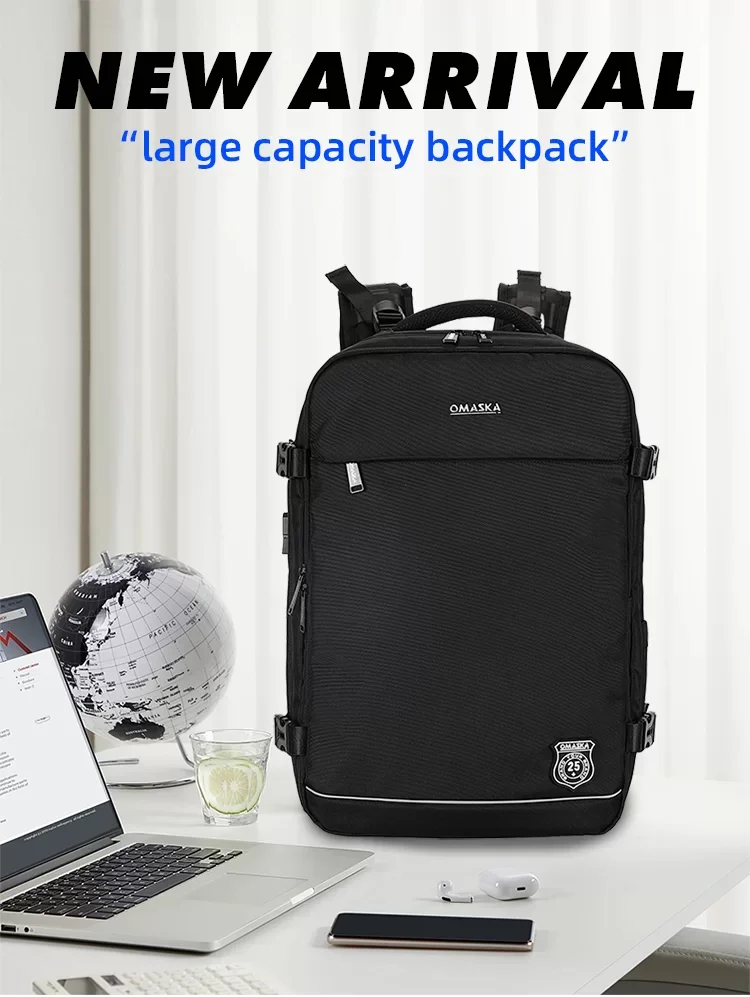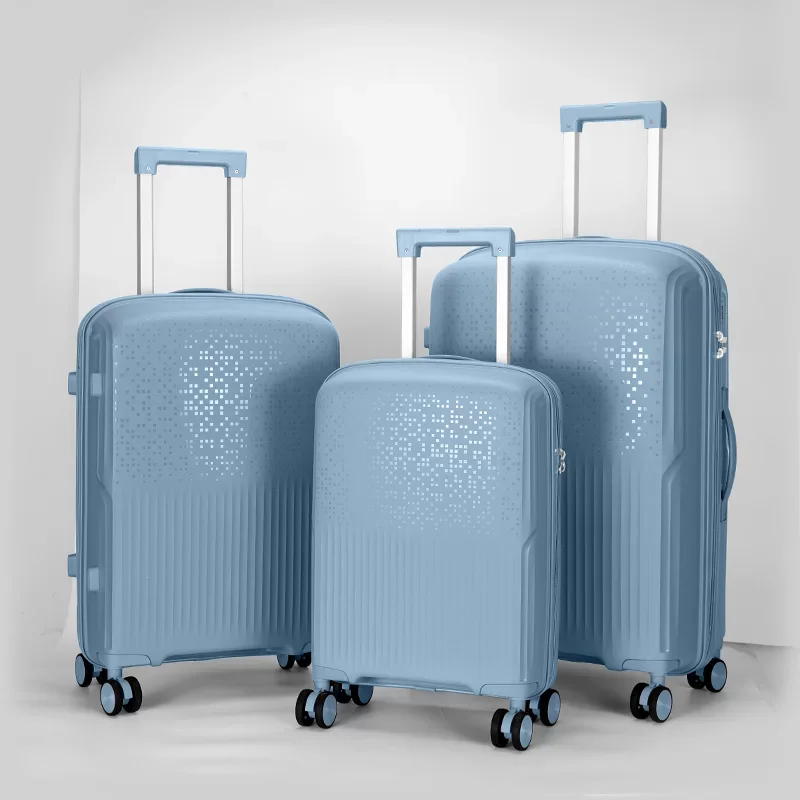
Securing a reliable source for high quality backpack wholesale is a strategic priority for retailers and distributors looking to capture the growing demand for durable, professional travel gear. In the competitive landscape of travel luggage manufacturing, the balance between material integrity and wholesale pricing determines the long-term viability of a commercial inventory.
Many procurement managers struggle with the trade-off between cost-efficiency and product longevity, often facing issues with material fatigue or inconsistent quality in bulk shipments. This creates a critical need for manufacturing partners who can provide certified production standards and flexible customization without sacrificing structural durability.
This comprehensive analysis provides a professional framework for evaluating wholesale backpack and luggage suppliers, focusing on material science, certification standards, and the operational metrics necessary to ensure a high return on investment for commercial luggage inventories.

Material Engineering in Professional Luggage

The foundation of high quality backpack wholesale and luggage sourcing lies in the selection of high-impact polymers. Polypropylene (PP) has emerged as a dominant material for wholesale solutions because it offers an exceptional strength-to-weight ratio, allowing the product to absorb heavy impacts without permanent deformation. This is particularly critical for luggage intended for airport transit, where mechanical stress is constant.
Beyond the shell, the integration of reinforced telescopic systems and 360-degree spinner wheels ensures that the functional utility matches the structural durability. For professional-grade inventories, the focus shifts from basic utility to "impact resistance," where the material must shield internal contents from extreme pressure and external scratches during global transit.
Evaluating Manufacturing Certifications
When auditing a supplier for high quality backpack wholesale, certifications act as a proxy for operational consistency. ISO9001 certification indicates that the manufacturer follows a rigorous quality management system, ensuring that the 100th unit in a bulk order meets the exact same specifications as the first sample. This eliminates the risk of batch variability that often plagues lower-tier suppliers.
Equally important is the BSCI (Business Social Compliance Initiative) certification. For international retailers, especially those in the EU and US markets, ethical production is a non-negotiable compliance requirement. A BSCI-certified facility guarantees a socially responsible supply chain, reducing the legal and reputational risks associated with wholesale sourcing from overseas manufacturing hubs.
Customization and Brand Integration Strategies
For wholesale partners, the ability to transition from a generic product to a branded asset is a primary driver of market share. OEM (Original Equipment Manufacturer) and ODM (Original Design Manufacturer) capabilities allow retailers to integrate custom logos and modify design elements to align with their brand identity. This transformation converts a commodity purchase into a proprietary product line.
Effective brand integration requires a rapid prototyping pipeline. A sampling lead time of 5-7 days is an industry benchmark for agile operations, allowing wholesalers to verify quality and aesthetic alignment before committing to large-scale production. This reduces the capital risk associated with bulk inventory scaling.
Comparative Performance Metrics for PP Materials
To understand the value proposition of Polypropylene (PP) in high quality backpack wholesale and luggage, it is helpful to analyze its relative performance against other common materials. While aluminum offers maximum rigidity, PP provides the necessary flexibility to prevent cracking under pressure, making it more suitable for mass-market commercial distribution.
The following data represents a normalized conceptual index comparing PP to other common luggage materials across five key dimensions: Impact Resistance, Weight Efficiency, Cost-Effectiveness, Customization Ease, and Market Scalability. This illustrative framework shows why PP is often the preferred choice for scalable wholesale inventories.
Logistics and Supply Chain Optimization
Wholesale profitability is heavily influenced by the efficiency of international freight. Optimized packaging—such as the use of high-density Poly Bags combined with reinforced export cartons—minimizes volumetric weight and protects products from shipping damage. Reducing the damage rate during transit is a direct contribution to the net ROI of a luggage shipment.
Furthermore, the accessibility of Minimum Order Quantities (MOQ) allows smaller retailers to test market demand without overextending their capital. An MOQ of 50 sets per color, for example, provides a scalable entry point for businesses to grow their inventory in alignment with actual sales velocity rather than speculative forecasting.
Common Procurement Pitfalls in Bulk Sourcing
A frequent error in high quality backpack wholesale is prioritizing the lowest unit price over the total cost of ownership. Low-cost suppliers often compromise on caster quality or telescopic drawbar stability, leading to high return rates from end-consumers. These returns can quickly erase the initial margins gained from a lower purchase price.
Another risk is the neglect of material traceability. Without a manufacturer that enforces strict supplier screening for raw polymers, the final product may suffer from inconsistent impact resistance, leading to shell failures in colder climates where plastics become more brittle. Professional buyers should demand evidence of raw material selection standards.
Wholesale Selection Decision Framework
Selecting the right partnership for luggage procurement requires a multi-dimensional evaluation. The following framework compares the PP Luggage B089 approach against traditional premium brands and low-cost generic alternatives to illustrate the strategic positioning of professional-grade wholesale solutions.
| Metric | Premium Luxury | PP Solution B089 | Generic Budget |
|---|---|---|---|
| Initial Investment | Very High | Economical | Very Low |
| Durability Ratio | High | High-Impact PP | Low/Variable |
| Customization | Limited | Full OEM/ODM | None |
| Market Reach | Niche Luxury | Mass Market | Discount Tier |
| Compliance | Brand Internal | BSCI/ISO9001 | Minimal/None |
| ROI Timeline | Slow | Fast Turnover | Rapid/Low Margin |
This comparison demonstrates that a professional wholesale solution like the B089 balances the high-performance characteristics of premium gear with the cost structures required for high-volume commercial success.
Frequently Asked Questions
PP is highly valued for its exceptional impact resistance and lightweight properties, offering a durable and flexible alternative to polycarbonate or aluminum, which is essential for surviving airport handling.
Yes, professional OEM/ODM providers support customized logos and design modifications to help wholesale partners establish and grow their own unique brand identity.
While it varies by manufacturer, an MOQ of 50 sets per color is considered accessible for small to medium-sized retailers to begin scaling their inventory without excessive risk.
Standard professional packaging involves securing each unit in a Poly Bag and then placing them in sturdy export cartons to minimize friction and impact during sea or air freight.
ISO9001 is critical for quality management consistency, while BSCI certification ensures that the production facility adheres to international ethical labor and safety standards.
Most professional series offer three standard sizes: 20 inch for carry-on needs, 24 inch for medium trips, and 28 inch for extended international travel.
Conclusion
Success in high quality backpack wholesale depends on the intersection of material science, certified manufacturing, and agile supply chain management. By prioritizing impact-resistant materials like Polypropylene and partnering with BSCI/ISO-certified factories, retailers can secure a product line that minimizes return rates and maximizes consumer trust.
For procurement managers evaluating their next inventory cycle, detailed product specifications and customization options are available at www.omaskafactory.com to help align manufacturing capabilities with market demand.