
03 Dec 2025
Having spent close to two decades working around industrial equipment — and oddly enough, lots of travel — I’ve seen my share of luggage. Not just your typical weekend suitcase, but the real nuts and bolts of what makes bags stand up to the real grind of air travel. If you’ve ever wondered why some bags survive airport juggling better than others, this write-up is for you.
First up: the broad categories of luggage bags commonly used on flights. You have hard-sided suitcases, soft-sided bags, duffels, and the increasingly popular carry-on backpacks. Each type caters to slightly different needs and travel styles, and frankly, their design evolution reflects that tension between durability, convenience, and airline regulations.
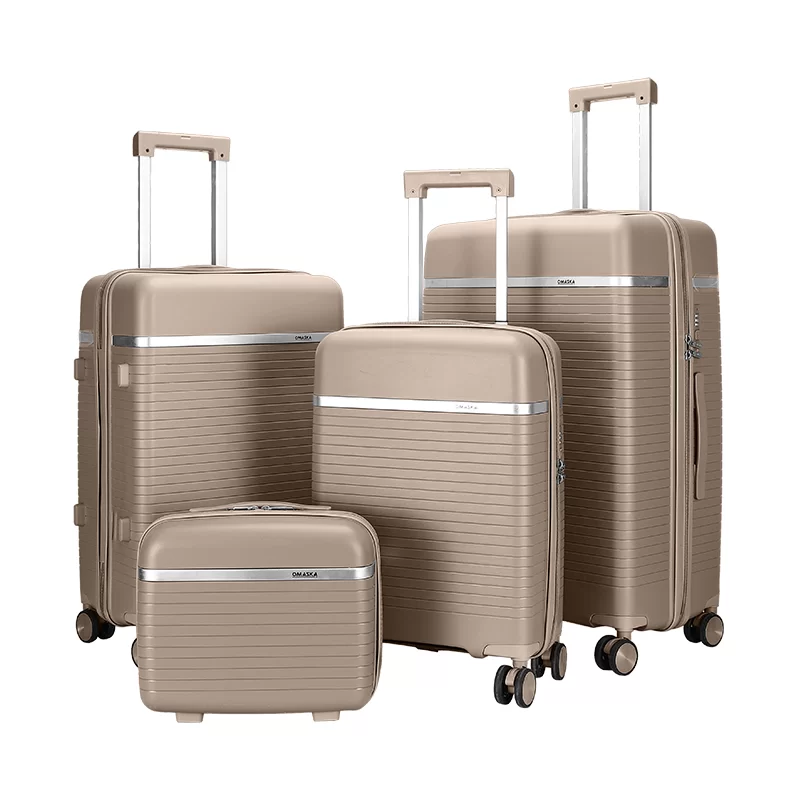
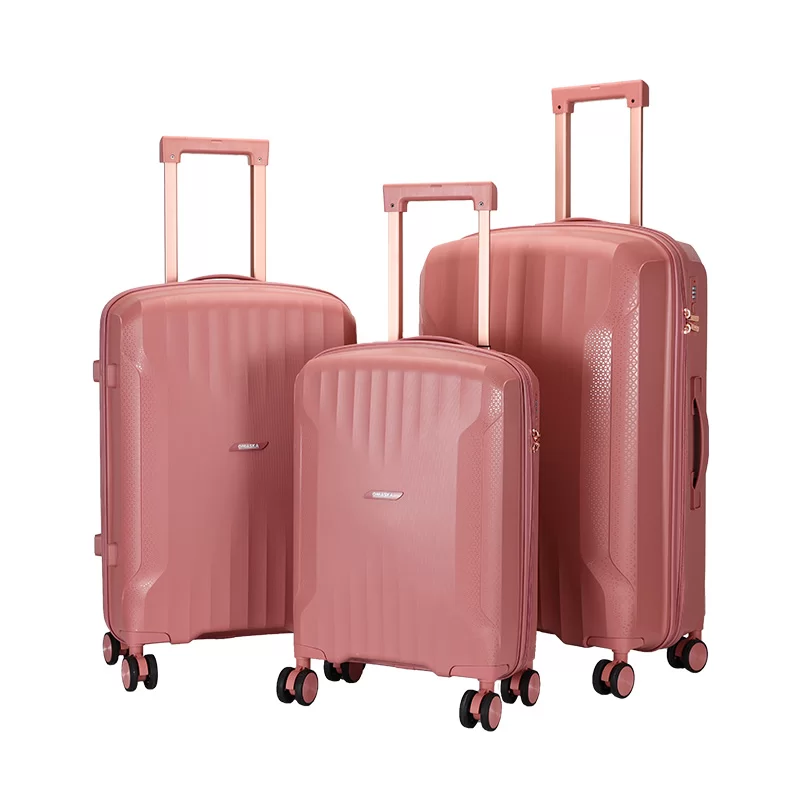
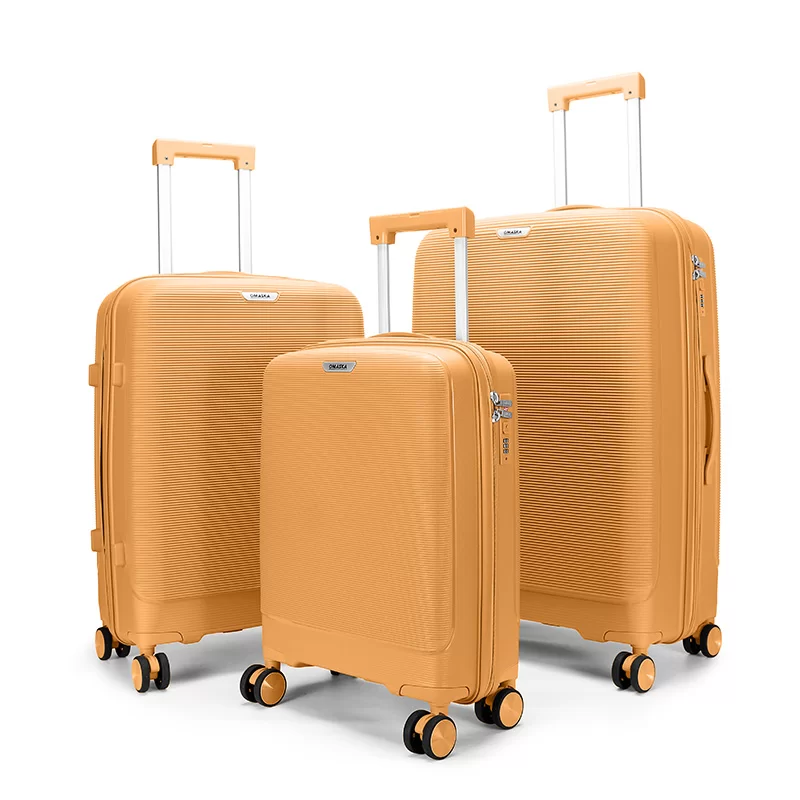
These are the armored tanks of the luggage world. Usually made from materials like polycarbonate or ABS plastic, they’re designed to resist impacts and rough handling. I noticed their shells can take quite a punch without cracking, which is essential when baggage handlers are in a hurry—or rough.
But they’re not flawless. One snag I often see is limited expandability and a tendency to show scratches over time. Yet, many business travelers swear by these for their protection, especially if your contents include fragile tech or equipment.
Soft-sided bags, typically made from ballistic nylon or polyester, focus a bit more on flexibility and pockets. You know those little compartments that seem to exact a life of their own? They come in handy for organization. The drawback? Vulnerability to punctures and less protection against crushing forces—a tradeoff many packers accept for that extra expandability and weight savings.
Carry-ons are not just for the backpacker crowd anymore. Lots of road warriors and engineers (like me) appreciate a well-padded backpack with compartments for laptops and tools. Duffels, with their simple cylindrical shape and large openings, are tough to beat for sheer packing volume, but they demand a bit more care because they offer the least structural protection.
In real terms, I always look for:
Material strength: polycarbonate shells or ballistic nylon tend to stand up best.
Wheels and handles: smooth, sturdy wheels and ergonomic handles make a difference on those marathon airport treks.
Weight vs. durability: lighter bags often sacrifice strength, but modern materials balance this better than ever.
Many engineers I know also swear by modular or customizable bags—those that can be adapted with inserts or tool compartments, which makes organizing easier. I recall helping a colleague choose a luggage brand based on how well it accommodated specific instrument cases, which was a neat example of real-world usability.
| Luggage Type | Material | Weight (lbs) | Protection Level | Expandability |
|---|---|---|---|---|
| Hard-Sided Suitcase | Polycarbonate/ABS | 8–12 | High | Low |
| Soft-Sided Bag | Ballistic Nylon | 5–9 | Medium | High |
| Carry-On Backpack | Durable Fabric (Nylon/Polyester) | 3–7 | Low to Medium | Medium |
| Duffel Bag | Canvas/Nylon | 2–6 | Low | High |
For those who ask me where to get something dependable, I usually point towards a few trusted names. Here’s a quick rundown of three popular manufacturers and how their luggage stacks up in terms of features engineers and frequent flyers tend to prioritize.
| Vendor | Material | Warranty | Price Range | Unique Feature |
|---|---|---|---|---|
| Omaska Factory | High-grade Polycarbonate | 5 years | $$$ | Customizable interiors & reinforced corners |
| SkyGear | Ballistic Nylon | 3 years | $$ | Expandable front pockets |
| TravelMax | ABS Plastic | 2 years | $ | Lightweight but less durable shell |
Oddly enough, after all these years in industry and plenty of flights later, I’m still partial to those hard-sided bags from Omaska Factory — they just strike the right balance between ruggedness and smart design. Regardless of baggage type, always consider your personal travel style, what you'll pack, and how much abuse your gear might face.
If you cruise on business trips as much as I do, or if you’re hauling delicate equipment, investing in the right luggage really does pay off. That little extra peace of mind is worth the cost — and, frankly, it just feels better rolling through the terminal when your bag looks and operates like a pro’s, not a tourist’s.
Safe travels!
References:
Industry standards on luggage materials, ASTM International
Consumer Reports: Luggage Durability Testing, 2023
Omaska Factory official product documentation, 2024



Hit enter to search or ESC to close


If you are interested in our products, you can choose to leave your information here, and we will be in touch with you shortly.


