
03 Dec 2025
After spending more than a decade in the industrial equipment sector, you might wonder why I’m diving into luggage for airport travel. Well, oddly enough, the principles of design, durability, and material quality that we obsess over in heavy equipment often cross over into everyday essentials — luggage included. When I first started traveling, a cheap suitcase was just... a suitcase. But after enough miles, bumps, and missed connections, I noticed that choosing the right luggage can save a lot of headaches.
The airport luggage landscape breaks down into a few broad types: hard-shell cases, soft-shell bags, duffels, and carry-ons. Each serves a role depending on your travel style, frequency, and patience for baggage handlers. Frankly, every piece has a story, a design intention, and some fairly serious engineering behind it.
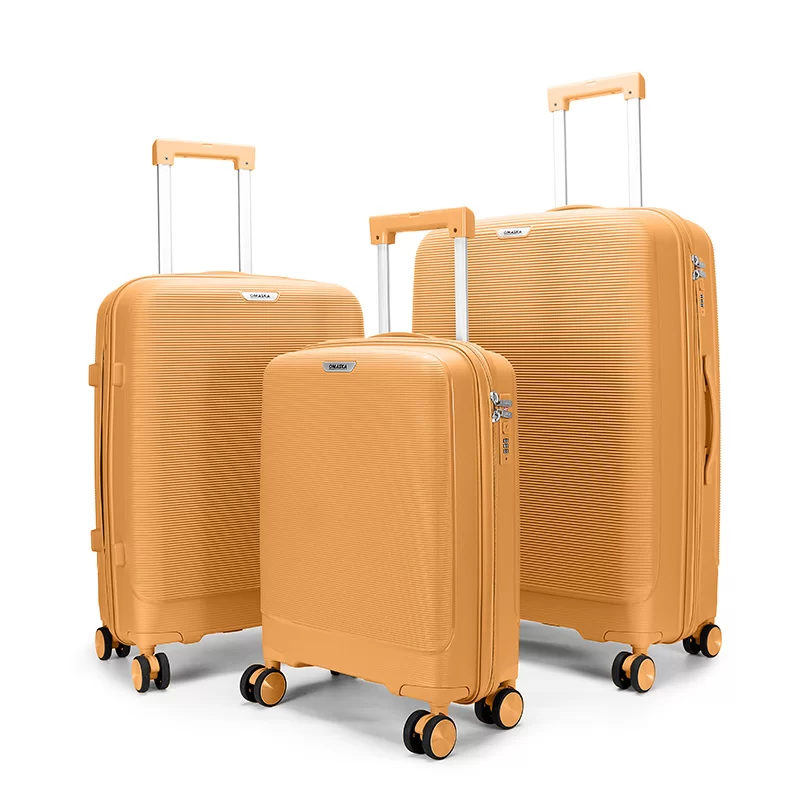
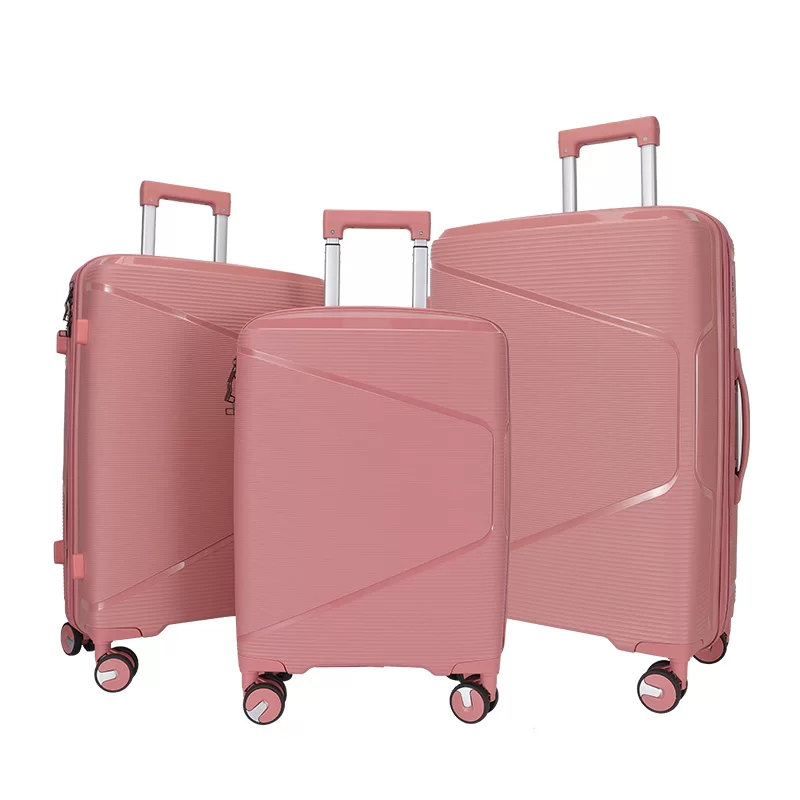
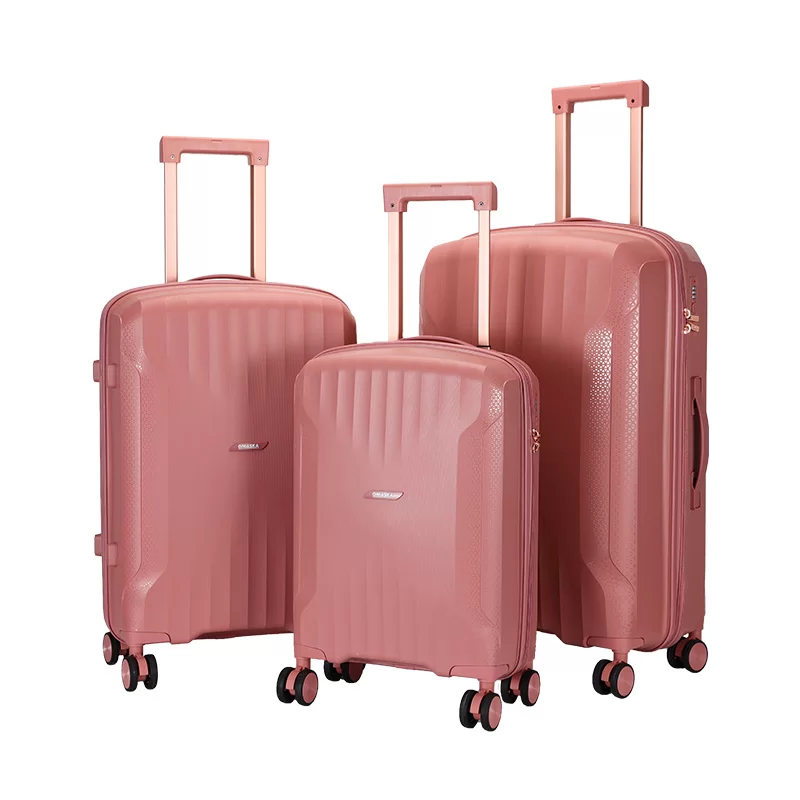
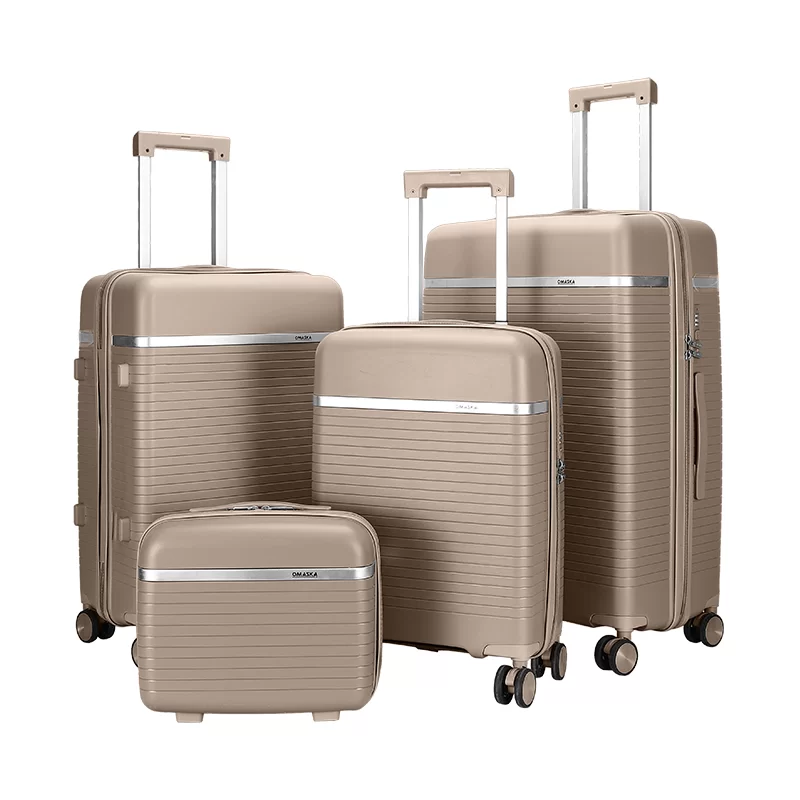
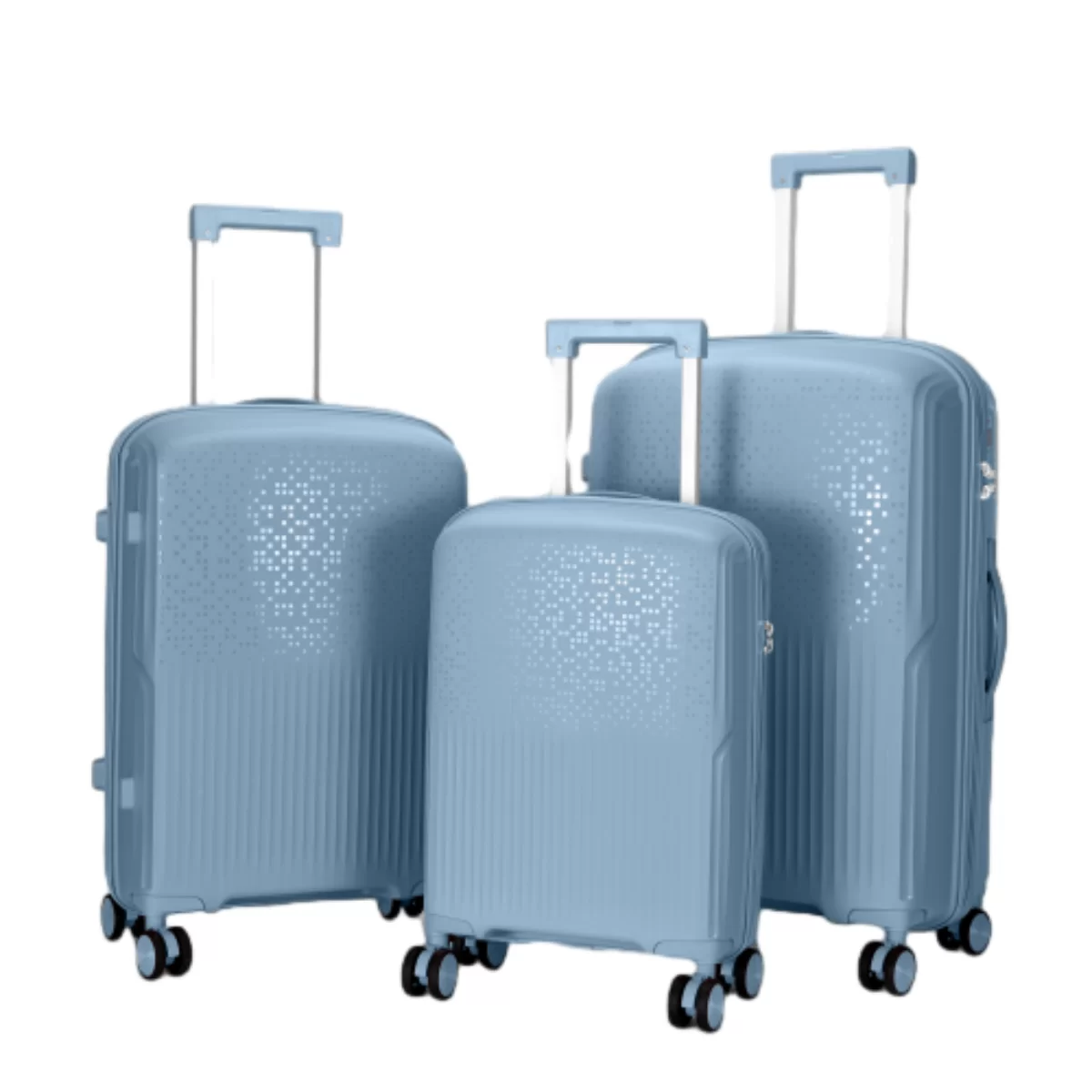
Hard-shell luggage is, in my view, the go-to for those who want robust protection. Think polycarbonate or ABS materials—these tough shells can withstand serious drops and rough handling, which let’s face it, airport conveyor belts do all too often. I once knew a tech engineer who swore by his polycarbonate case; after a rough trip, it looked beat up but his equipment inside? Not a scratch.
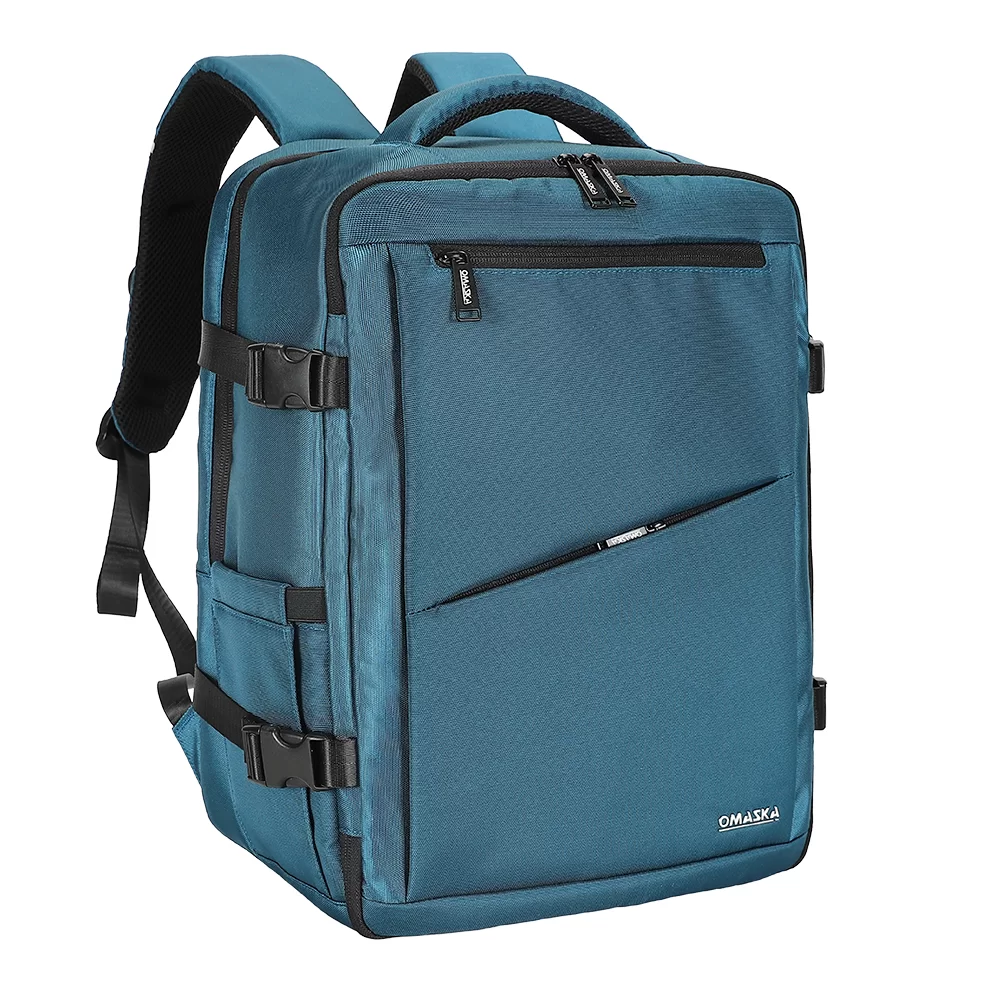
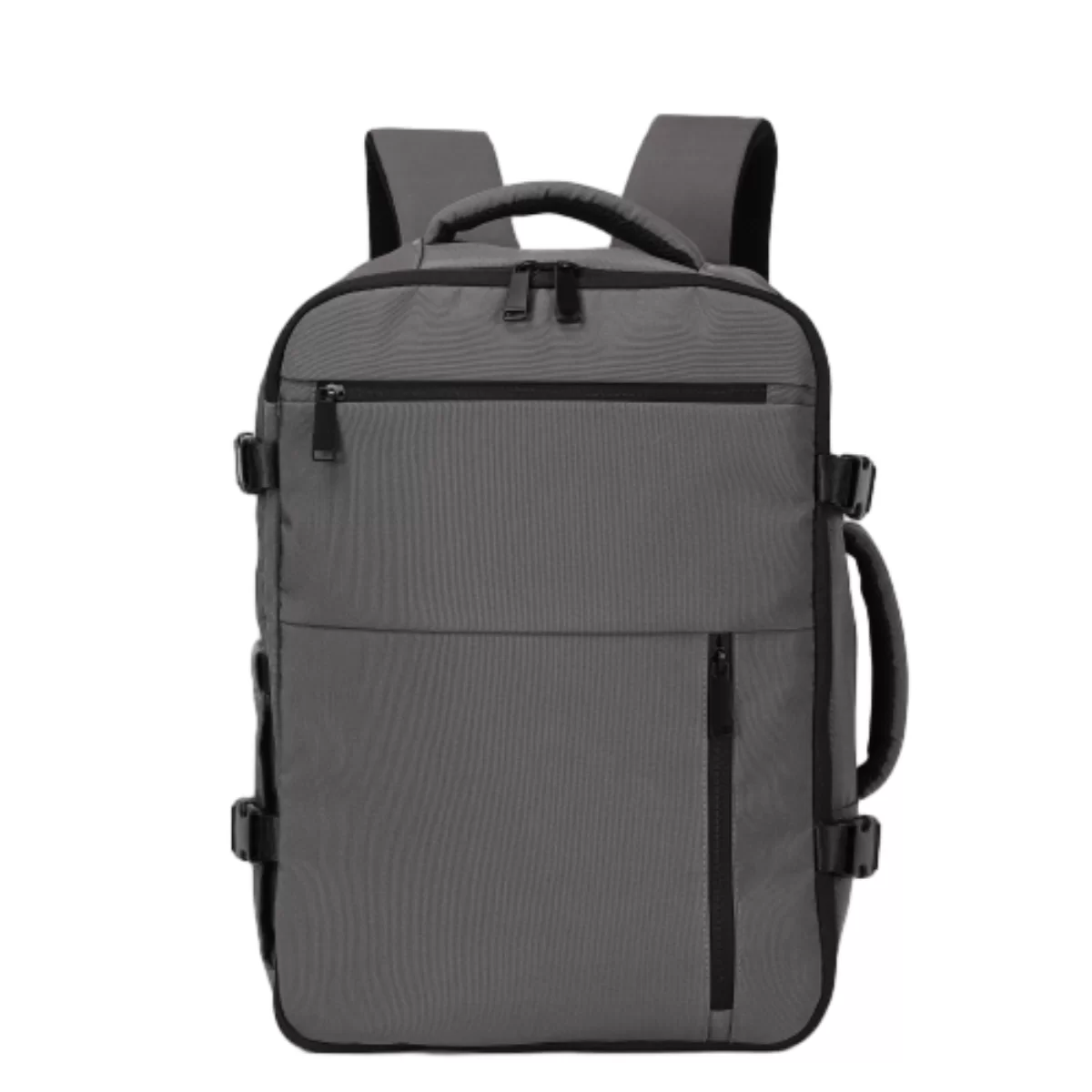
On the other hand, soft-shell luggage feels lighter and more flexible. Usually made of ballistic nylon or polyester blends, these are easier to squeeze into tight overhead bins. But they won’t stop someone’s coffee from spilling inside if the bag tumbles, so pack accordingly. In real terms, they’re better suited for seasoned travelers who prefer to pack lightly and move fast.
Now, many airport pros and frequent flyers are partial to carry-ons. Small, efficient, and often rigid cases that fit in overhead compartments without the frustration of gate checking your bags. Oddly enough, there’s been a growing demand for carry-ons with integrated tech — USB ports, GPS tracking — which really appeals to digital nomads and business travelers alike.
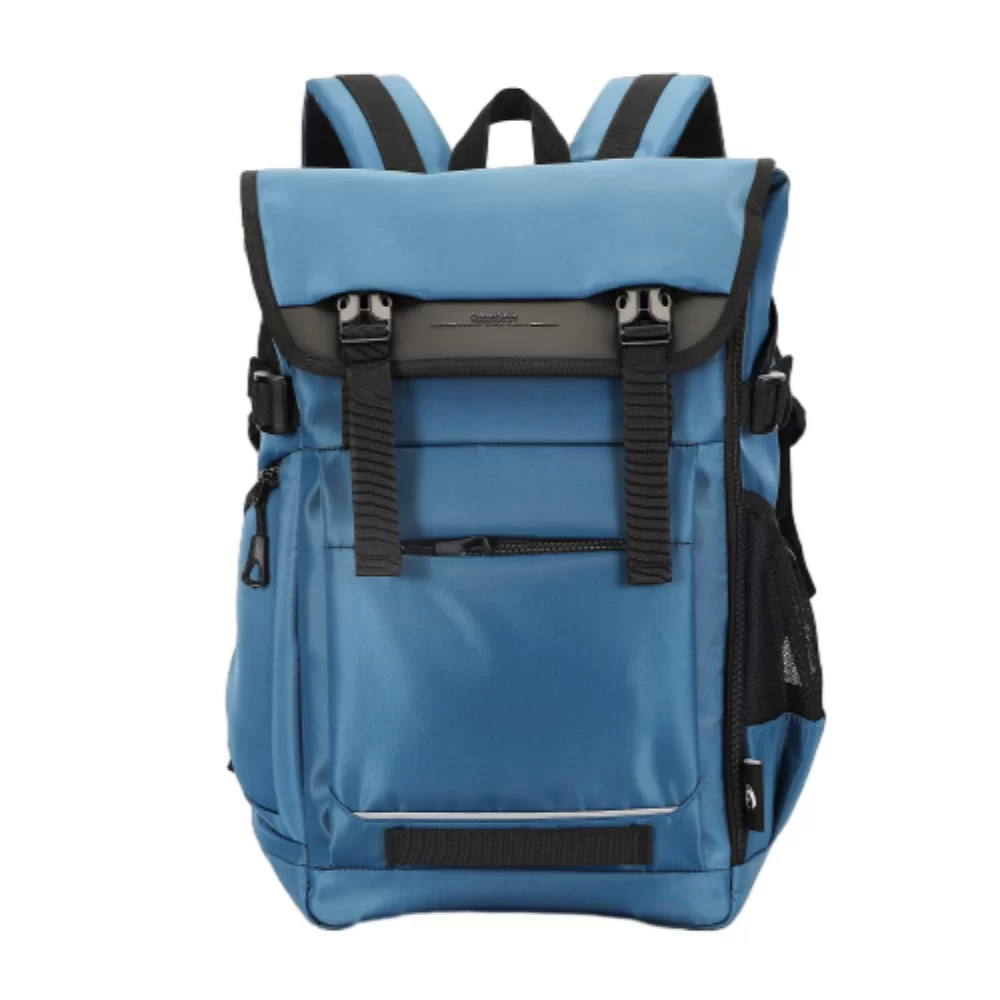
And then there are duffel bags, which I find are often overlooked in airport circles but popular for their flexibility, especially among casual flyers who hate rigid cases. A friend who works in film production swears by a rugged duffel with wheels — you know, the kind you can drag or sling over your shoulder when the airport’s less friendly.
Since customer needs vary so much, many manufacturers offer customization options — whether it’s reinforced handles, TSA-approved locks, or waterproof lining. In the industrial world, specs are king; the same rigor applies here when selecting the right suitcase for your personal and trip needs.
Speaking of specs, here’s a quick rundown of some typical luggage types you might find useful:
| Luggage Type | Material | Weight Range | Durability | Typical Use |
|---|---|---|---|---|
| Hard-shell | Polycarbonate, ABS | 3.5–7 kg | High (impact resistant) | Checked luggage, frequent flyers |
| Soft-shell | Nylon, Polyester | 2.5–6 kg | Medium (abrasion resistant) | Versatile, carry-on or checked |
| Carry-on | Varies (hard & soft) | 1.5–4 kg | Varies by build | Short trips, business travel |
| Duffel bag | Canvas, Nylon | 1–3 kg | Low to Medium | Casual travel, flexible packing |
Let me quickly touch on vendors — the luggage market sometimes feels a bit like the industrial world’s equipment rivalry, with brands bumping up specs, warranties, and innovations. I’ve looked at some well-known names and smaller makers that offer surprising quality, especially in durability and customer service. Here’s a side-by-side for anyone debating their next buy:
| Brand | Warranty | Material Quality | Innovation Features | Price Range |
|---|---|---|---|---|
| Brand A | 10 years | High-grade polycarbonate | GPS tracking, USB ports | $$$ |
| Brand B | 5 years | Durable nylon blend | Expandability, TSA locks | $$ |
| Brand C | 7 years | Ballistic nylon, waterproof | Compression straps, modular inserts | $$$ |
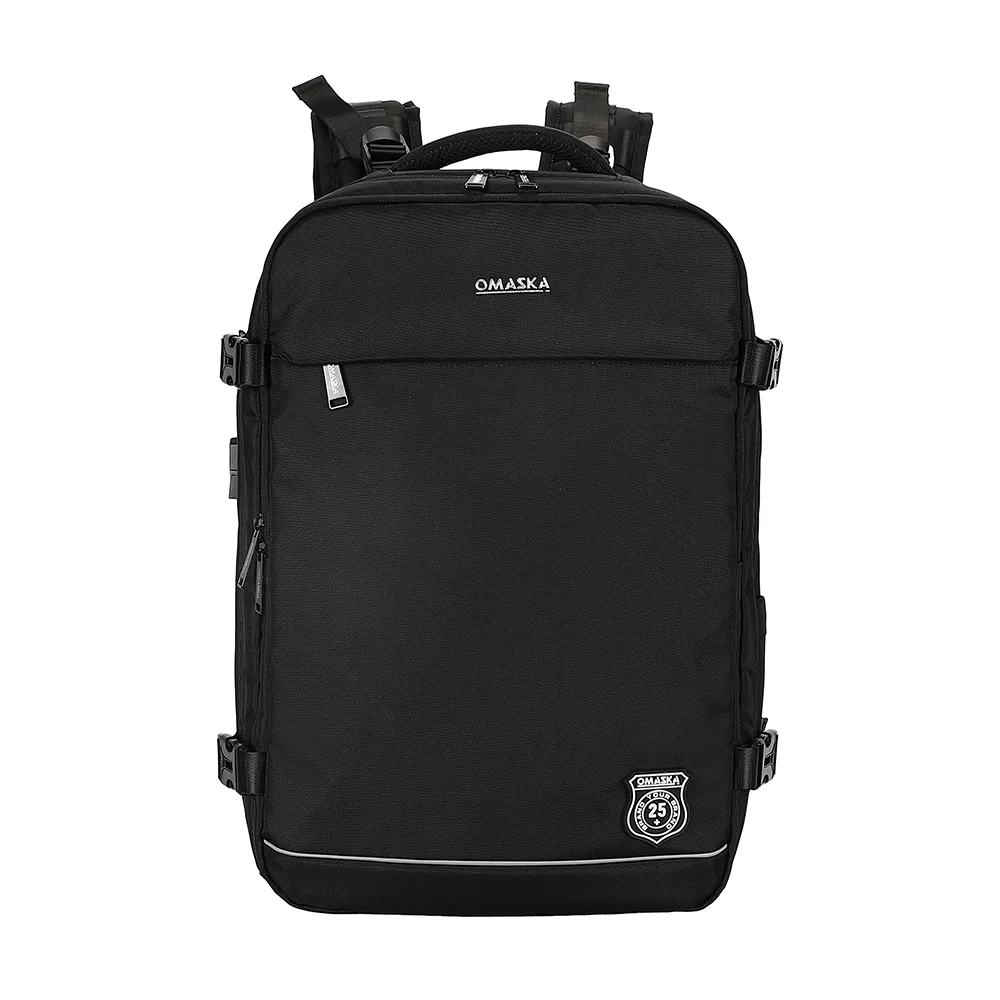
If you’re curious (and you should be!) about where to find quality gear, I recently came across some pretty impressive options via Omaska Factory. They focus on durable, tested designs that remind me of the kind of structural engineering we rely on back in industrial equipment.
To close, picking a luggage type isn’t just about style or airline restrictions — it’s about your travel lifestyle, what you carry, and yes, how much you want to worry about your bags. There’s a subtle engineering dance between weight, durability, and mobility that only truly stands out after some real-world testing.
Safe travels, and may your luggage be as tough and reliable as the gear I’m used to!
References:
1. Industry reports on luggage durability and materials.
2. Customer reviews from frequent flyers and industrial transport workers.
3. Technical specs from luggage manufacturer datasheets.


Hit enter to search or ESC to close


If you are interested in our products, you can choose to leave your information here, and we will be in touch with you shortly.