
03 Mar 2026
When embarking on cycling adventures, having reliable and durable velo luggage is crucial. It’s not just about carrying your essentials; it's about ensuring a comfortable and safe ride. From panniers to handlebar bags, the right luggage can make all the difference. This article will explore the various types of velo luggage, key features to consider, and how to choose the best option for your needs. Whether you're a daily commuter or a long-distance tourer, we'll help you navigate the world of cycling luggage.
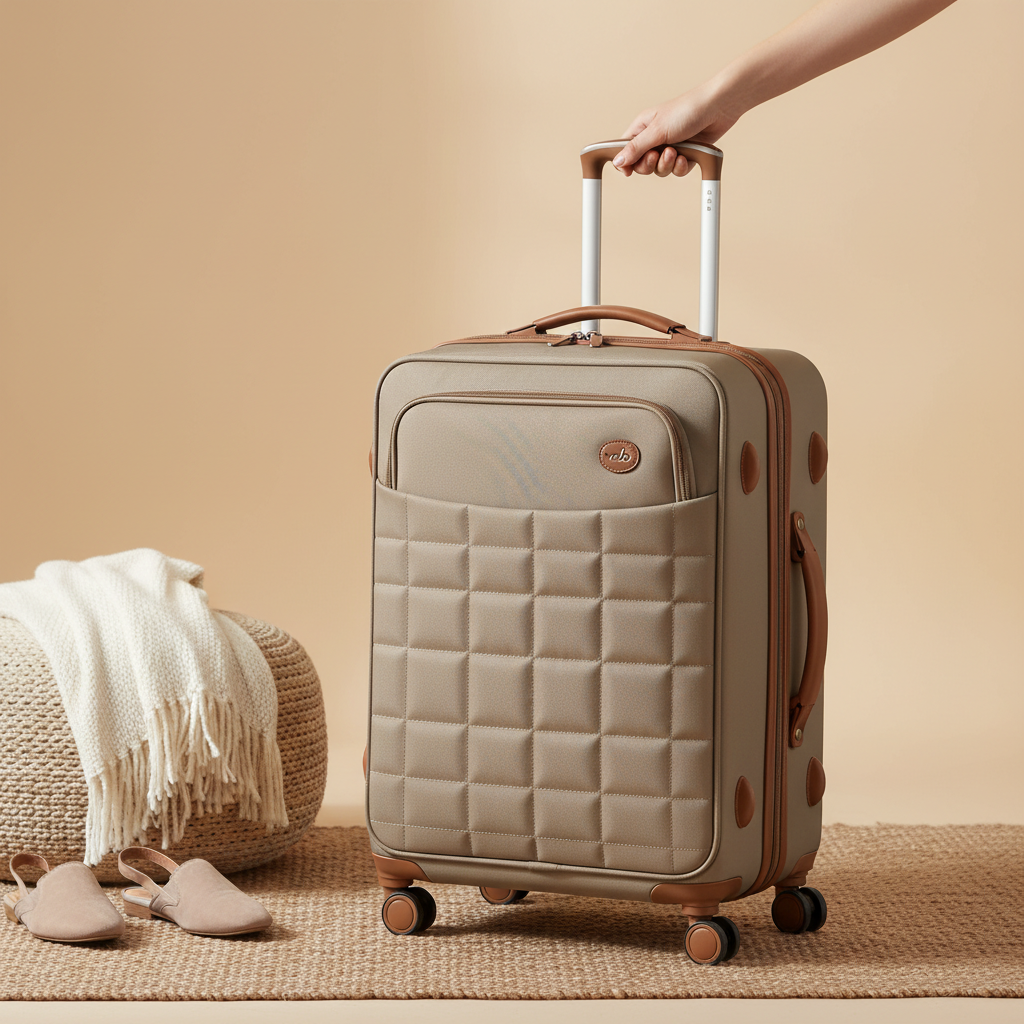
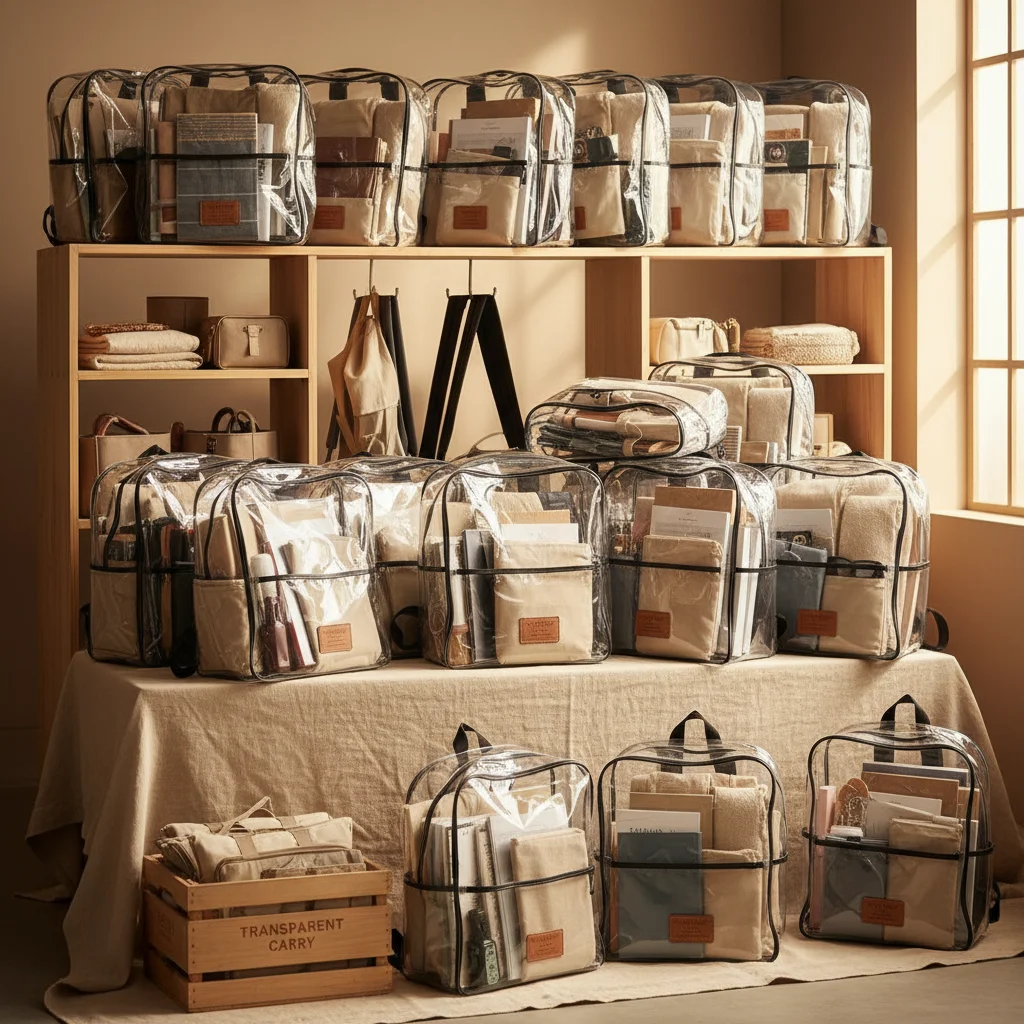
The world of velo luggage is diverse. Panniers, which attach to your bike’s racks, are ideal for carrying heavier loads on long tours. Handlebar bags offer quick access to essentials like your phone, keys, and snacks. Seatpost bags provide compact storage for tools and spare tubes. Backpacks designed for cycling are comfortable for shorter distances but can cause sweating. Frame bags fit inside the bike's triangle, distributing weight efficiently. Choosing the right type depends on the length of your ride, the amount of gear you need to carry, and your personal preferences. Properly distributing weight is vital for maintaining bike control and a comfortable riding experience.
Key Considerations: Panniers for long-distance touring, Handlebar bags for quick access, Seatpost bags for compact storage, Frame bags for weight distribution.
When selecting velo luggage, prioritize durability and weather resistance. Look for materials like waterproof nylon or polyester with sealed seams. Reflective elements enhance visibility in low-light conditions. A secure mounting system is crucial to prevent luggage from shifting or falling off during your ride. Consider the capacity of the luggage and choose a size that suits your needs without being overly bulky. Features like internal compartments and compression straps help organize your gear efficiently. The quality of zippers and buckles is also important for long-term reliability.
Essential Features:
• Waterproof or water-resistant materials
• Secure mounting system
• Reflective elements for visibility
• Durable zippers and buckles
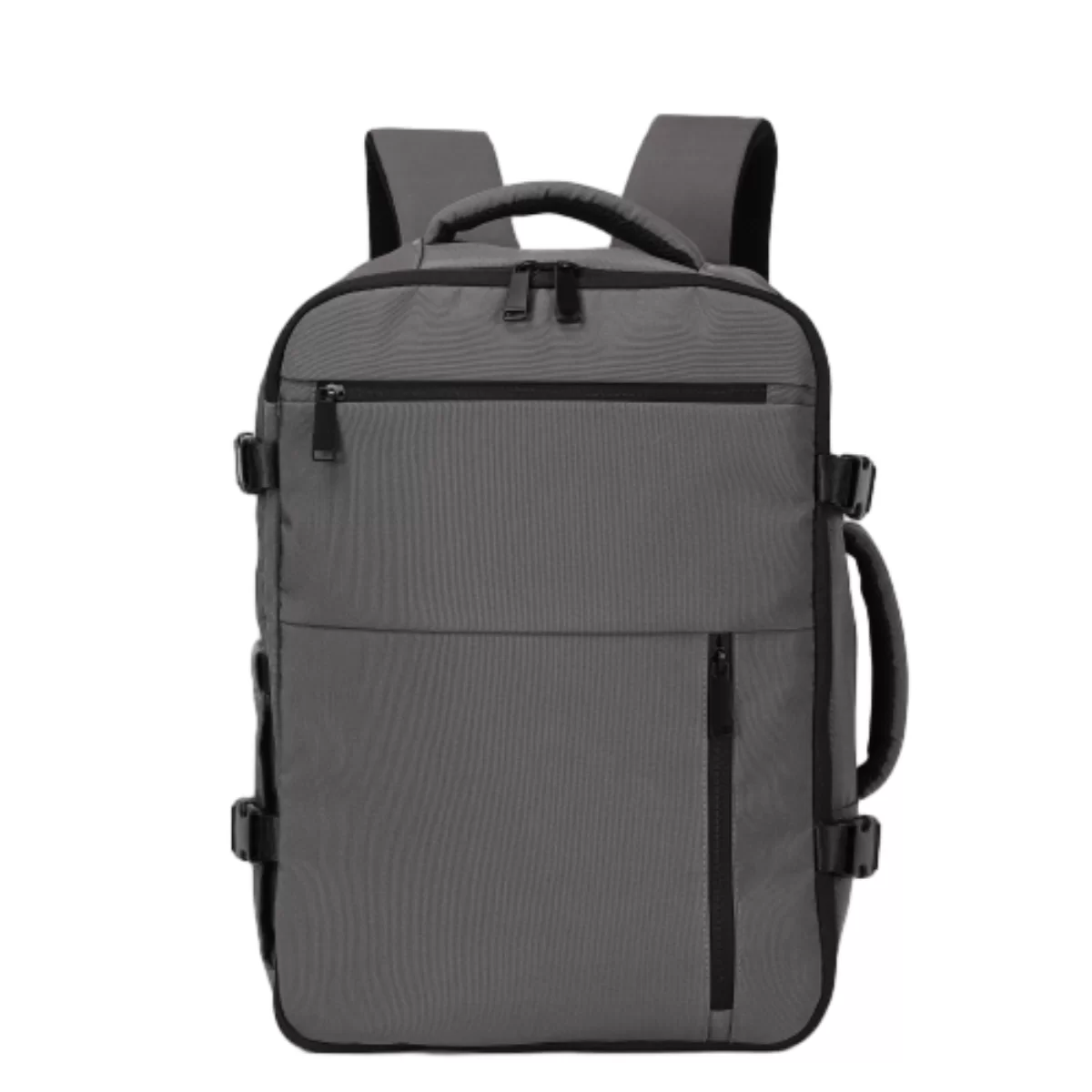
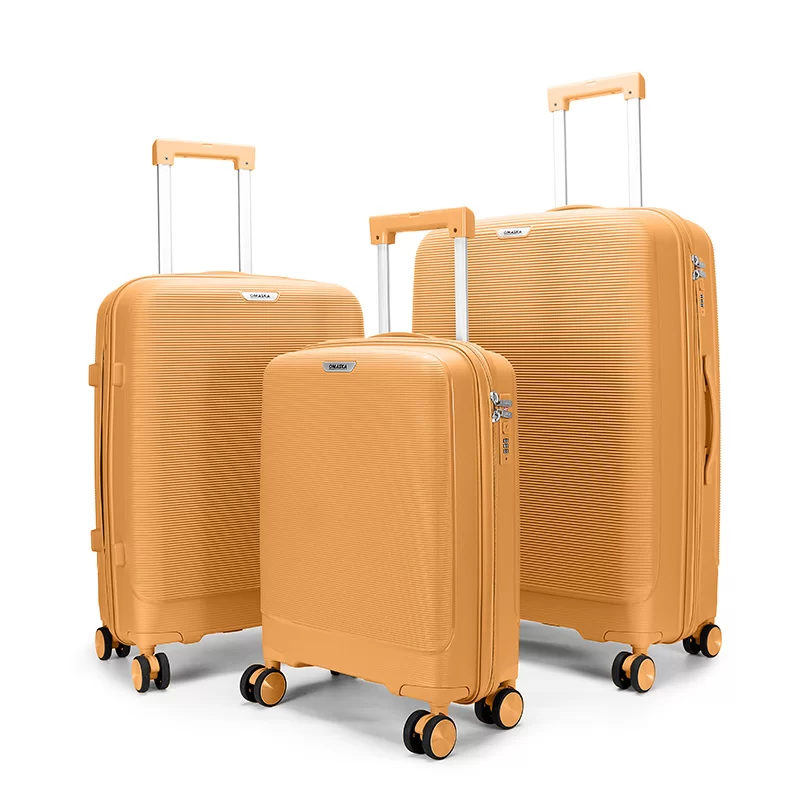
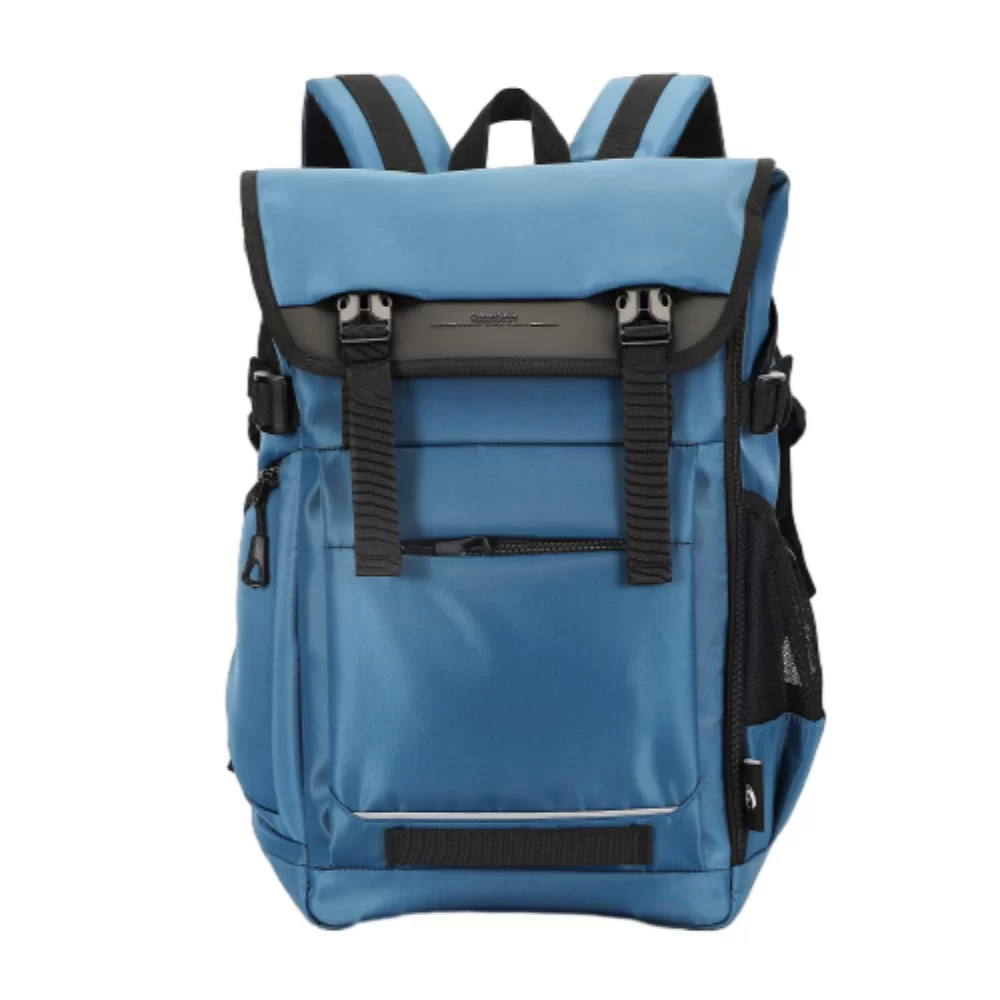
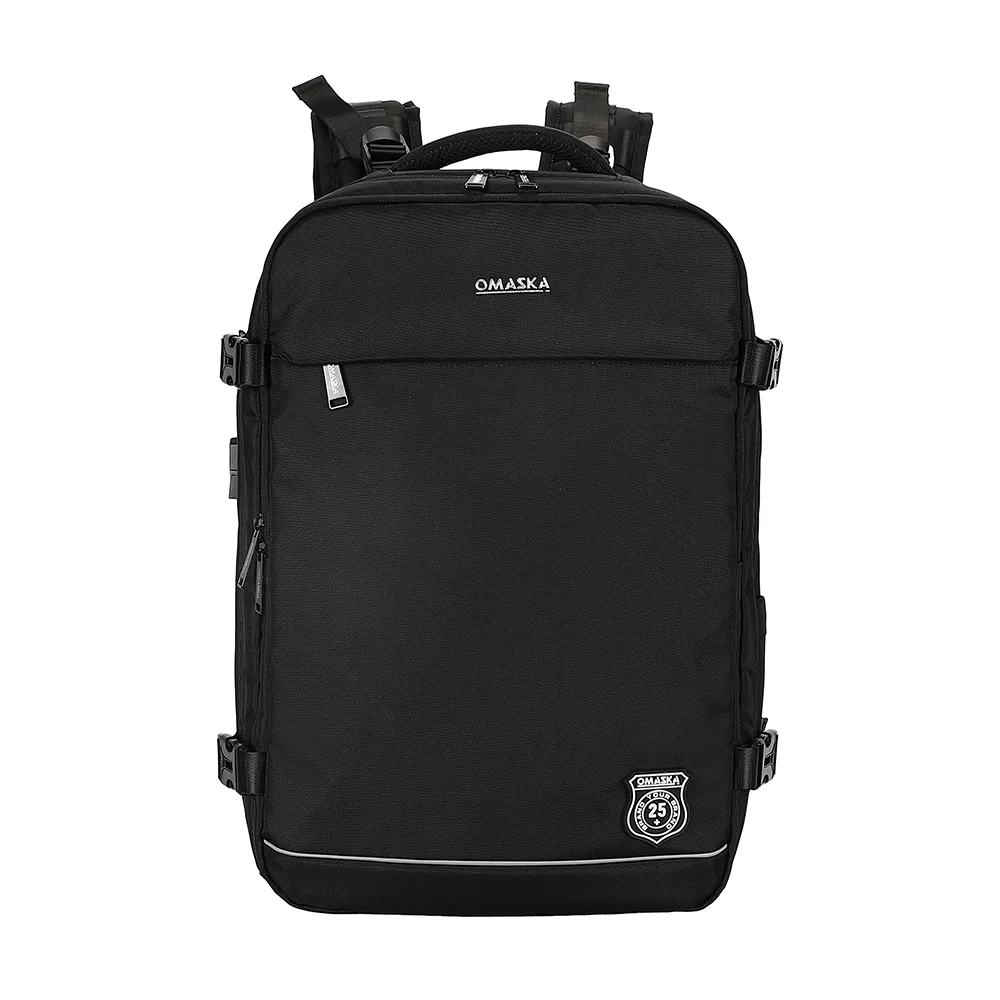
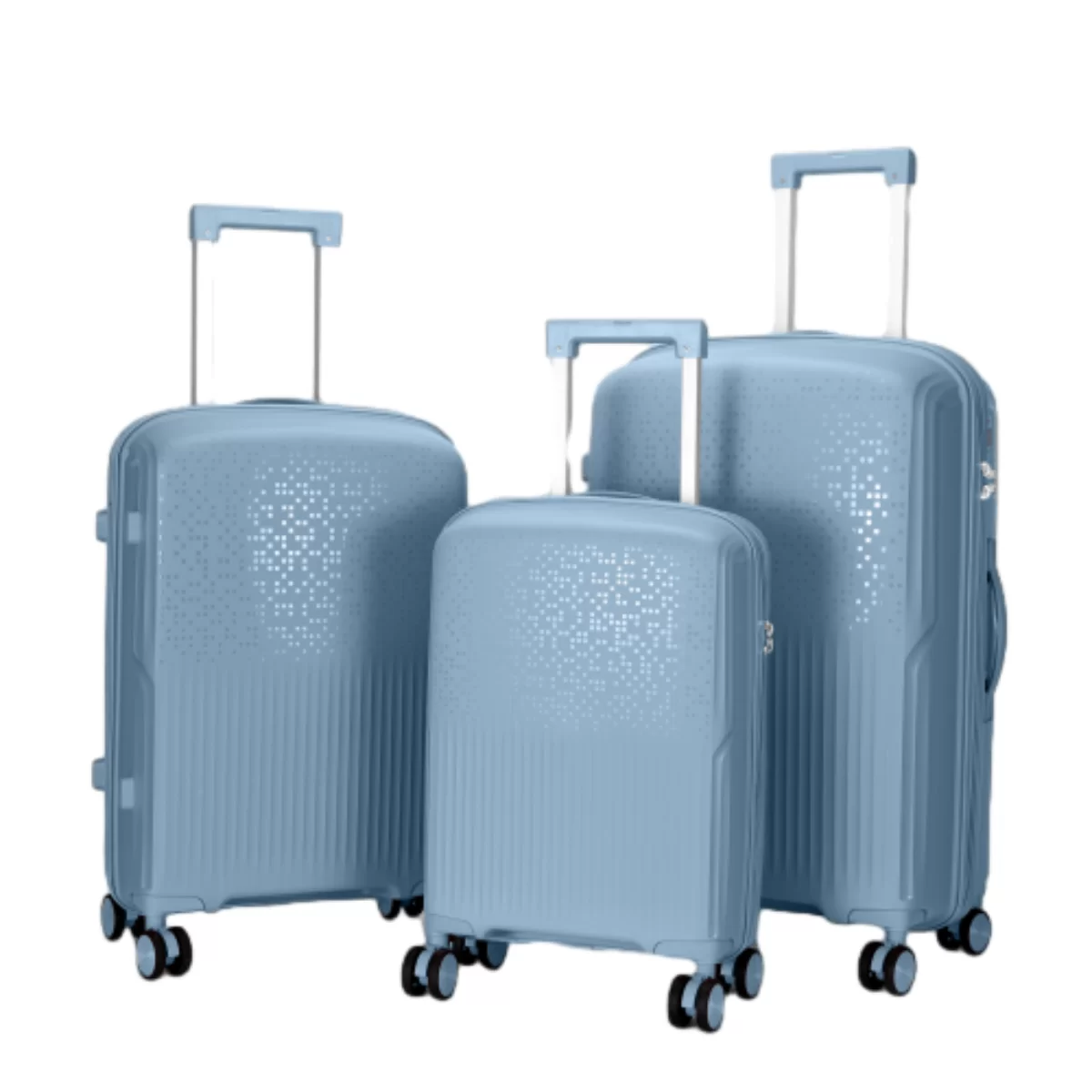
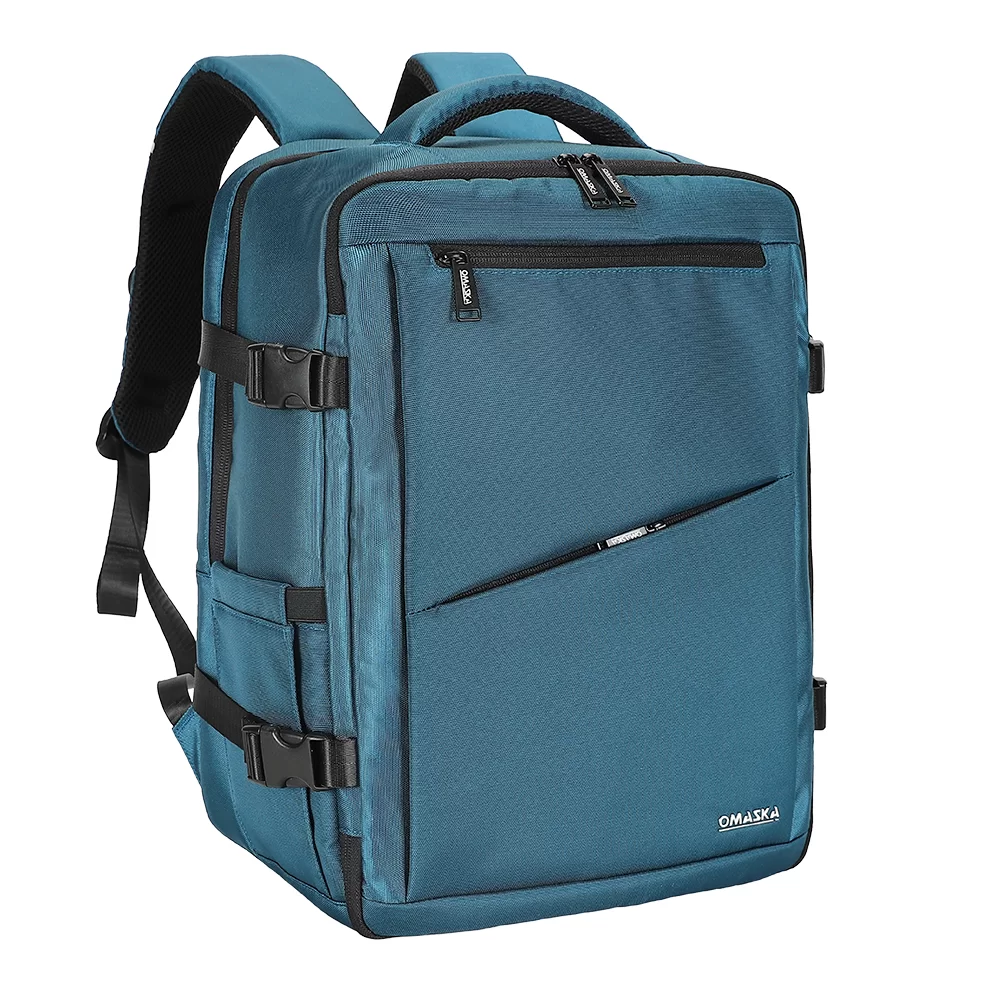
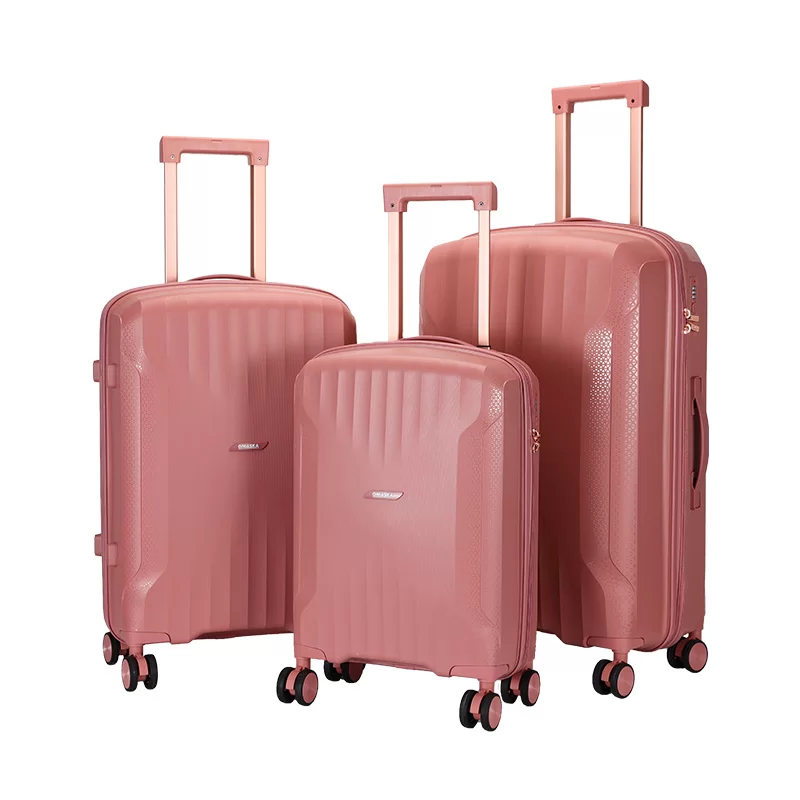
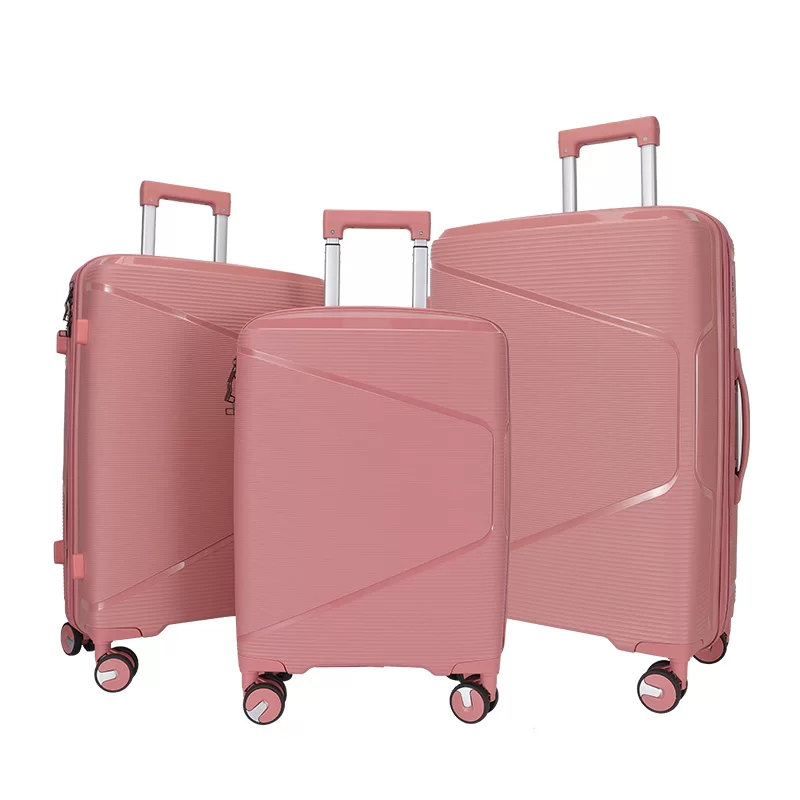
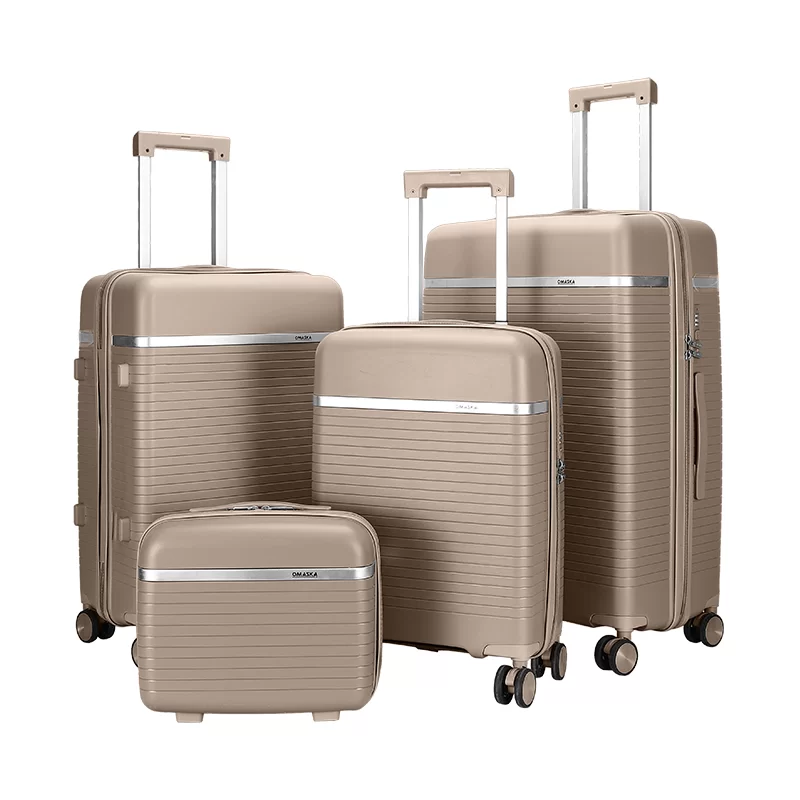
Let's compare some popular choices available at Omaska Factory. Each option caters to different riding styles and needs.
Efficient packing is key to a comfortable ride. Heavier items should be placed low and close to the bike's center of gravity. Distribute weight evenly between both sides. Use compression straps to minimize bulk. Waterproof bags or dry bags are essential for protecting electronics and sensitive gear. Keep frequently used items easily accessible. Don't overload your luggage, as this can affect your bike’s handling and your own safety. Regularly check your luggage to ensure it remains securely attached throughout your journey.
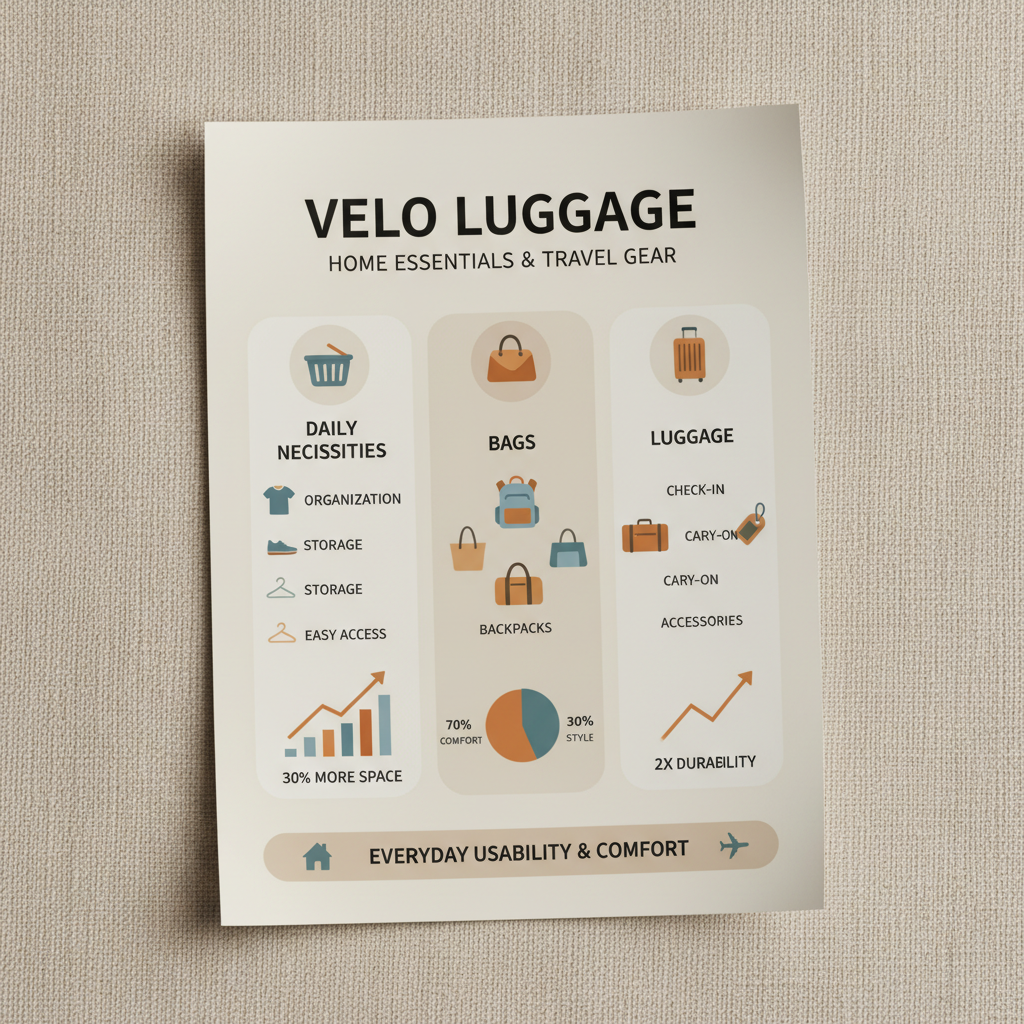
Selecting the right pannier size depends on the length of your trip and the amount of gear you need to carry. For shorter commutes or day trips, 20-30 liter panniers might suffice. For longer tours, consider panniers in the 30-50 liter range. Remember to leave some extra space for spontaneous purchases or unexpected items. It's better to have a slightly larger pannier that's not fully packed than a smaller one that's overloaded and difficult to manage. Consider the weight capacity of your bike rack as well.
The most effective way to waterproof your velo luggage is to use waterproof panniers or dry bags. Even if your panniers are water-resistant, using dry bags inside provides an extra layer of protection. Ensure the dry bags are properly sealed. You can also use waterproof pannier covers for added protection in heavy rain. Regularly check the seams and closures of your luggage for any signs of wear and tear, and repair them promptly.
While you can use a regular backpack for short bike commutes, it's not ideal. Regular backpacks can cause excessive sweating and put strain on your back. Cycling-specific backpacks are designed with ventilation and ergonomic features for improved comfort. They also typically have a secure hip belt and sternum strap to prevent the backpack from shifting during your ride. Consider a dedicated cycling backpack for longer commutes or if you carry heavy loads.
Proper pannier attachment is crucial for safety. Ensure your panniers are securely hooked onto the rack supports. Double-check that the hooks are fully engaged. Use the provided straps to tighten the panniers against the rack, preventing them from swaying. Distribute the weight evenly between both panniers. Before each ride, always inspect the pannier attachments to ensure they are secure and haven't loosened during transport.
Hit enter to search or ESC to close


If you are interested in our products, you can choose to leave your information here, and we will be in touch with you shortly.