
21 Jun 2026
Investing in the right luggage can be the difference between a stressful journey and a seamless adventure. Knowing how to choose a good suitcase involves more than just picking a color you like; it requires an understanding of materials, sizing regulations, and the specific needs of your travel style. Whether you are a digital nomad, a business professional, or a family vacationer, the right suitcase protects your belongings and eases your movement through airports and city streets. In this guide, we will break down the essential factors to consider so you can make an informed decision that lasts for years.

Before diving into specifications, ask yourself where you are going and for how long. A weekend getaway to a nearby city requires a vastly different set of features than a month-long expedition across Europe. Consider the terrain—will you be walking on paved airport floors or cobblestone streets? This determines whether you need heavy-duty wheels or a lightweight carry-on. By identifying your primary use case, you can narrow down the options and focus on the features that actually matter for your specific trip. When you start researching how to choose a good suitcase, matching the bag to the destination is the first rule of thumb.
The debate between hard and soft suitcases usually comes down to protection versus flexibility. Hard-shell cases, often made from polycarbonate or ABS, offer superior protection for fragile items and are generally more water-resistant. Soft-shell cases, usually crafted from ballistic nylon or polyester, offer external pockets for quick access and can be squeezed into tight overhead bins more easily. Depending on your priorities, one will clearly outweigh the other.
The mobility of your luggage is where you will feel the most difference in quality. When learning how to choose a good suitcase, pay close attention to the wheel system. Spinner wheels (four 360-degree wheels) are ideal for airports as they glide effortlessly beside you. Two-wheel rollers are generally sturdier and better for uneven surfaces like gravel or cobblestone. Similarly, check the telescope handle—it should feel sturdy without too much "wiggle," and it should be easy to lock into place with one hand.
Nothing is more frustrating than arriving at the boarding gate only to find your bag is oversized. Standard carry-on sizes typically hover around 22 x 14 x 9 inches, but this varies by airline. If you are choosing a checked bag, consider the weight of the suitcase itself. A heavy bag eats into your airline weight allowance, meaning you can pack fewer clothes. Look for lightweight yet durable materials that provide the maximum interior volume with the minimum exterior weight.

Security is paramount when your belongings are out of sight. A high-quality suitcase should feature TSA-approved locks, which allow security agents to inspect your bag without breaking the lock. Beyond the locks, look for heavy-duty zippers. YKK zippers are widely regarded as the industry gold standard for durability. If you are opting for a soft-shell bag, ensure the fabric is dense enough to resist easy punctures. These small details are often the deciding factor in how to choose a good suitcase that keeps your valuables safe.
To finalize your choice, it helps to look at the raw specifications of common suitcase materials. Not all "plastics" are created equal; for instance, Polycarbonate is significantly more flexible and impact-resistant than basic ABS. Here is a quick technical breakdown to help you compare the most common materials used in modern luggage manufacturing:
Mastering how to choose a good suitcase is essentially about balancing your personal travel habits with the technical strengths of the luggage. By focusing on high-quality materials like polycarbonate or ballistic nylon, ensuring TSA compliance, and selecting the right wheel system for your destinations, you ensure that your focus remains on the journey rather than on gear failure. A good suitcase is not just a box for your clothes; it is a piece of equipment that supports your freedom of movement. Invest wisely, and your luggage will serve you across countless borders and time zones.
While a high-quality suitcase can last a decade, most travelers find they need a replacement every 5 to 8 years. The first signs of wear are usually the wheels or the zipper. If you notice the wheels are no longer spinning smoothly or the fabric is thinning in high-friction areas, it's time to look for a new one. Regular maintenance, such as cleaning the wheel bearings and avoiding overstuffing, can significantly extend the lifespan of your luggage. Always check for structural cracks in hard-shell cases after heavy trips.
It depends on your environment. Spinner wheels are far superior for navigating smooth airport terminals and hotel lobbies because they allow you to push the bag alongside you without straining your wrist. However, two-wheel rollers are generally more durable and perform much better on uneven surfaces like cobblestones or carpets, as they have larger wheels that can roll over obstacles. If you travel primarily through cities with old infrastructure, two-wheelers are the safer bet. For the average international traveler, spinners provide the best convenience.
For checked luggage, which is often handled roughly, aluminum and high-grade polycarbonate are the top choices. Aluminum is virtually indestructible but very heavy. Polycarbonate is the "sweet spot" for most—it is designed to flex under pressure and pop back into shape rather than cracking like cheaper ABS plastic. For those who prefer soft luggage, ballistic nylon is the most durable fabric option due to its high density and resistance to tears and abrasions. When considering how to choose a good suitcase for checking, prioritize impact resistance over weight.
A TSA-approved lock will feature a small red diamond logo. This indicates that the lock can be opened by TSA agents using a special master key, preventing them from having to break your lock or damage your suitcase to inspect the contents. If you buy a suitcase without this feature and use a standard padlock, be prepared for the possibility that the lock may be cut if the bag is flagged for security screening. Always verify the red diamond symbol when purchasing your gear to ensure a stress-free customs experience.

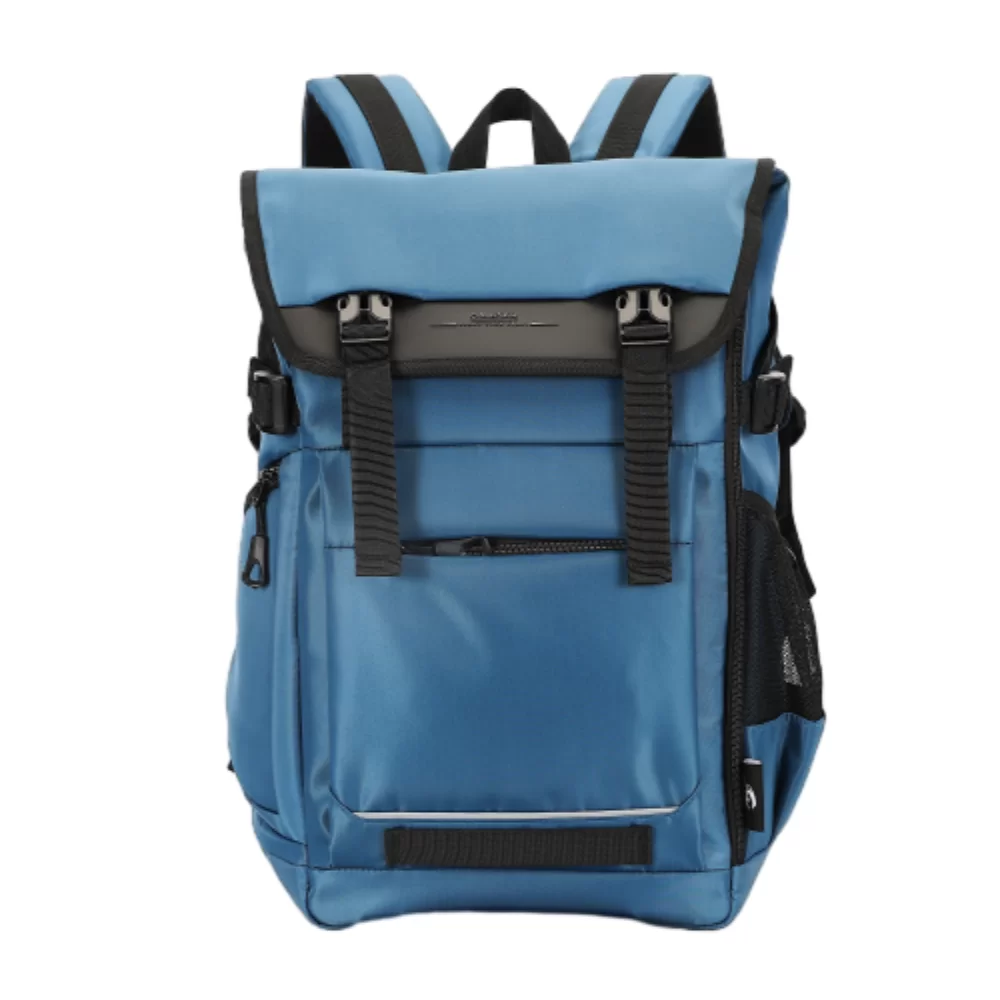
Multifunctional Leisure Backpack 24136C
Our multifunctional leisure backpack is designed for versatility and comfort. Ideal for outdoor adventures, travel, or daily use, it features multiple compartments for organized storage of clothing, gadgets, and essentials. Durable materials and water-resistant coatings protect belongings from light rain and spills. Padded straps and an ergonomic back panel provide comfort during extended wear. Lightweight yet robust, it suits hiking, sightseeing, or casual outings. With its practical design, durability, and modern aesthetic, this Omaska backpack meets the needs of travelers and adventurers seeking convenience, functionality, and style in one reliable bag.



Hit enter to search or ESC to close


If you are interested in our products, you can choose to leave your information here, and we will be in touch with you shortly.


