
18 Jun 2026
Navigating the world of travel gear can be overwhelming, especially when you are trying to balance airline restrictions with your own packing needs. Knowing how to choose a carry on luggage that fits your lifestyle can be the difference between a seamless journey and a stressful airport experience. Whether you are a digital nomad, a business professional, or a weekend adventurer, the right bag ensures your essentials remain safe, accessible, and within the overhead bin limits. In this comprehensive guide, we will break down the critical factors—from material durability to wheel mobility—to help you make an informed investment for your next trip.

The first step in learning how to choose a carry on luggage is understanding the "golden rules" of dimensions. Most international airlines adhere to a standard size, but budget carriers often have much stricter limits. If your bag is even an inch too large, you may be forced to check it at the gate, incurring unexpected fees. Always measure the total exterior dimensions, including wheels and handles, to ensure a perfect fit. We recommend choosing a bag that is slightly under the limit to allow for the inevitable expansion that happens when we overpack.
Pro Tip: When in doubt, look for "Global Carry-On" certifications or check the specific baggage policy of your most-used airline before purchasing.
Choosing between a hard-shell and a soft-shell case depends entirely on your travel style. Hard-shell luggage, typically made from polycarbonate or ABS, provides superior protection for fragile items and is generally water-resistant. On the other hand, soft-shell bags, usually crafted from ballistic nylon or polyester, offer more flexibility and often include external pockets for quick access to passports and electronics. When considering how to choose a carry on luggage, think about whether you prioritize security and structure or adaptability and storage.
The wheels are the unsung heroes of your travel experience. When researching how to choose a carry on luggage, you will encounter two main types: spinner wheels (four 360-degree wheels) and inline wheels (two fixed wheels). Spinners are ideal for navigating smooth airport terminals with minimal effort, as they glide alongside you. Inline wheels, however, are often more durable and perform better on uneven sidewalks or cobblestone streets. Depending on your destination, the wheel choice can significantly impact your physical comfort during transit.

A great bag isn't just about the exterior; it's about how it manages your belongings. A high-quality carry-on should feature a compression system to maximize space and dedicated compartments to keep clothes separate from toiletries. Look for built-in laundry bags or mesh dividers that prevent your items from shifting during flight. Many modern travelers also prioritize integrated USB ports for charging devices on the go. Focusing on these organizational details is a key part of how to choose a carry on luggage that reduces packing stress.
The longevity of your luggage depends on the materials used in its construction. High-grade polycarbonate is preferred for hard shells because it flexes under pressure rather than cracking. For soft shells, look for high-denier nylon, which resists tears and abrasions. Additionally, pay attention to the zipper quality; YKK zippers are the industry standard for reliability. Below is a specification table to help you compare common materials used in professional-grade luggage.
Security is a paramount concern for any traveler. When deciding how to choose a carry on luggage, prioritize bags with TSA-approved locks. These allow security officers to inspect your bag without damaging the lock. Additionally, look for "anti-theft" features such as lockable zippers or hidden pockets for valuables. A secure bag not only protects your physical belongings but also provides the peace of mind necessary to enjoy your trip to the fullest.
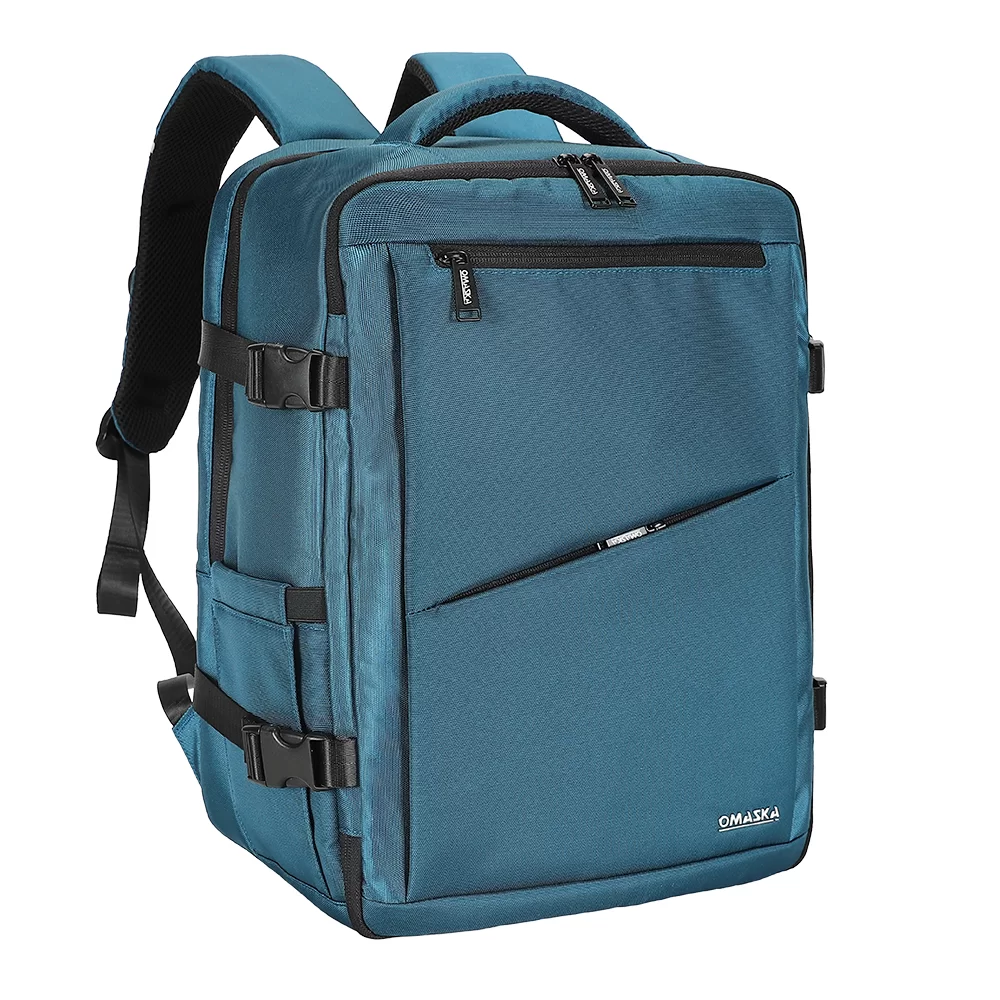
Mastering how to choose a carry on luggage is about finding the perfect equilibrium between airline compliance, durability, and personal convenience. By evaluating the material, wheel type, and organizational features, you can invest in a piece of luggage that serves as a reliable companion for years to come. Remember, a high-quality bag is not just an accessory—it is a tool that enhances your travel efficiency. Explore the professional options at Omaska Factory and elevate your travel experience today.
While every airline differs, the general standard for carry-on luggage is approximately 22 x 14 x 9 inches (56 x 35 x 23 cm). This size is designed to fit in most overhead bins. However, if you are flying with low-cost carriers (like Ryanair or Spirit), the "free" carry-on size is often much smaller, sometimes limited to a "personal item" that must fit under the seat. We always recommend checking the specific airline's website before packing to avoid gate-checking fees.
It depends on your environment. Spinner wheels (4 wheels) offer unmatched ease of movement on flat surfaces, allowing you to push the bag beside you rather than pulling it behind you. This reduces strain on your wrist and shoulder. Two-wheelers (inline), however, are generally more robust and handle rougher terrains—like gravel or carpet—more effectively. If you mostly travel through airports, go for spinners; if you explore rugged cities, inline wheels may be safer.
Start by choosing a bag made from lightweight materials like polycarbonate or high-density nylon. Use packing cubes to compress your clothes, which prevents the bag from bulging and keeps the center of gravity stable. Avoid packing "just in case" items—stick to a versatile capsule wardrobe. Finally, weigh your bag at home using a digital scale to ensure you are under the weight limit, as some airlines are as strict about weight as they are about dimensions.
Generally, yes. Hard-shell cases provide a rigid barrier that protects sensitive electronics from being crushed by other bags in the overhead bin. However, the hard shell only protects against external pressure. We still strongly recommend using padded sleeves for laptops and tablets inside the bag. If you need quick access to your laptop at security, a soft-shell bag with a dedicated external laptop compartment is often more convenient than a hard-shell case.




Hit enter to search or ESC to close


If you are interested in our products, you can choose to leave your information here, and we will be in touch with you shortly.


