
26 Nov 2025
In the contemporary professional landscape, where mobility, efficiency, and a refined image converge, the choice of a carry solution transcends mere aesthetics. A truly effective professional backpack is not just an accessory; it is a critical tool that underpins daily productivity, safeguards valuable equipment, and promotes personal well-being. Consider the profound impact of thoughtful design: a recent survey conducted by Modern Executive Review indicated that professionals equipped with a thoughtfully designed professional backpack reported an average 12% improvement in daily task efficiency, primarily due to superior organization and rapid access to critical tools. This translates directly into hours saved over a work week, freeing up valuable time for more strategic endeavors. Furthermore, ergonomic studies from the Institute of Applied Biomechanics revealed that prolonged use of poorly designed bags contributes to musculoskeletal discomfort in over 65% of office workers, highlighting the critical health implications of backpack choice. Beyond the tangible benefits of efficiency and health, a well-chosen backpack projects an image of preparedness and competence, silently communicating a dedication to one’s craft. It represents an investment in comfort, organization, and durability, allowing professionals to navigate their dynamic environments with unparalleled ease and confidence, ensuring their focus remains squarely on their objectives rather than the burden of their gear.
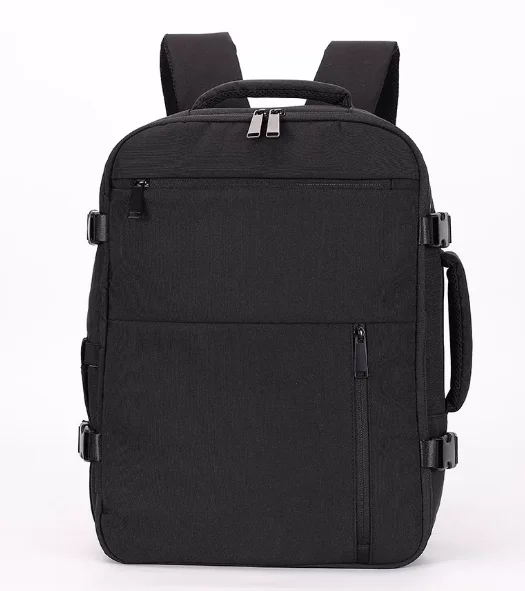
The distinction of a high-performance professional backpack lies deep within its technical specifications, far beyond what meets the eye. At its core, the selection of materials dictates durability, weather resistance, and overall longevity. Premium backpacks frequently employ heavy-duty fabrics such as 1050D Ballistic Nylon, renowned for its exceptional abrasion resistance, or high-denier Cordura (500D-1000D), celebrated for its robust tear strength. Advanced composites like X-Pac, a laminate of multiple layers including sailcloth and waterproof film, offer unparalleled strength-to-weight ratios and complete waterproofness. These materials are often treated with a Durable Water Repellent (DWR) coating or feature internal Polyurethane (PU) coatings to ward off moisture, complemented by water-resistant or even fully waterproof zippers, like those from YKK AquaGuard series, ensuring the integrity of contents even in inclement weather. Critical stress points are meticulously reinforced with bar-tacking and double-stitching, guaranteeing structural resilience.
Ergonomics are paramount for comfort during prolonged wear. Superior models incorporate contoured shoulder straps, often featuring dual-density or EVA foam padding that molds to the wearer's anatomy, distributing weight evenly without digging in. Ventilated back panels, constructed from air-mesh or molded foam channels, promote airflow, mitigating heat buildup and discomfort. Adjustable sternum straps and, for larger capacities, even removable hip belts, further stabilize the load and transfer weight to the hips, taking pressure off the shoulders and spine. Load lifter straps allow fine-tuning of the backpack's position on the back, optimizing balance and comfort.
Intelligent compartmentalization is another hallmark, designed to streamline workflow. This includes a dedicated, suspended laptop sleeve (typically fitting up to 16-inch devices) that protects against impacts from the bottom, a separate padded tablet sleeve, and an array of organizational pockets for pens, business cards, cables, and external hard drives. RFID-blocking pockets offer crucial protection against digital theft, while fleece-lined pockets safeguard delicate items like sunglasses or smartphones. Quick-access exterior pockets, hidden security pockets, and expandable water bottle holders cater to immediate needs. Furthermore, modern innovations include integrated smart features such as USB pass-through ports for on-the-go charging, meticulously designed cable management systems, and even discrete pockets for power banks or GPS trackers, ensuring that a professional's tech ecosystem remains fully operational and secure.
The market for professional backpacks is rich with innovation, yet certain manufacturers consistently rise to the top, each offering a distinct philosophy in design and functionality. Understanding these differences is crucial for selecting a product that aligns perfectly with individual professional demands. From luxury business travel solutions to rugged everyday carry for creative professionals, the spectrum is broad.
To illustrate, here's a comparative overview of some prominent brands:
Brand | Primary Focus | Signature Features | Material Highlights | Typical Price Range |
Tumi | Luxury Business & Travel | Alpha Bravo collection, ballistic nylon, Tumi Tracer, sophisticated aesthetics, meticulous interior organization. | FXT Ballistic Nylon, genuine leather accents, water-resistant coatings. | $400 - $1200+ |
Peak Design | Creative Professionals & Everyday Carry | FlexFold dividers, quick-access side zips, external carry straps, highly modular interior, exceptional camera protection. | 400D recycled nylon canvas, DWR coating, waterproof zippers, high-density foam padding. | $200 - $400 |
Thule | Durable Everyday & Outdoor-Ready Business | SafeEdge laptop protection, crush-proof SafeZone compartment for delicate items, robust build, comfortable carry system. | 330D Nylon mini ripstop, 600D polyester, water-resistant coatings, EVA foam. | $100 - $300 |
Nomatic | Travel & Versatile Organization | Innovative pocketing, shoe compartment, water bottle pocket, luggage pass-through, convertible design (backpack to duffel). | Water-resistant tarpaulin, durable zippers, structured internal frame. | $200 - $400 |
Aer | Minimalist Urban Professionals | Clean aesthetics, thoughtful organization for tech, durable materials, excellent for gym/work separation. | 1680D Cordura Ballistic Nylon, YKK zippers, Duraflex hardware. | $150 - $300 |
Each brand offers a unique value proposition. Tumi, for instance, appeals to executives who prioritize a blend of luxury, sophisticated design, and robust travel features like their proprietary Tumi Tracer product recovery program. Peak Design, on the other hand, revolutionizes carry for photographers and creators with its innovative FlexFold dividers and rapid access systems, built with sustainability in mind. Thule merges outdoor resilience with professional functionality, providing excellent protection for electronics and a comfortable carry, while Nomatic targets the modern traveler with highly adaptable and organized solutions. Aer caters to the urban professional seeking minimalist design combined with exceptional everyday utility. The choice ultimately reflects personal priorities regarding budget, specific functional needs, and preferred aesthetic.
While off-the-shelf professional backpacks offer impressive features, the true apex of functionality is often achieved through customization. For professionals with highly specific requirements, a bespoke approach can transform a standard carrying solution into an indispensable, perfectly integrated tool. This level of personalization extends far beyond simply choosing a color; it delves into modifying the internal and external architecture of the bag to suit unique workflows and equipment.
One of the most effective customization avenues is through modular systems. Many high-end backpacks incorporate MOLLE (Modular Lightweight Load-carrying Equipment) webbing, which allows for the attachment of an array of external pouches and accessories, such as medical kits, specialized tool rolls, or additional water bottle holders. Internally, hook-and-loop lined compartments, combined with removable Velcro-backed dividers and pouches, enable users to configure the space for anything from delicate camera lenses to precision instruments or a compact drone. This flexibility ensures that every piece of gear has a secure, accessible, and protected spot.
Furthermore, internal organization can be refined with dedicated tech caddies, removable cable organizers, or custom-fit padded inserts designed for specific models of laptops, tablets, or even portable monitors. For professionals in fields requiring quick access to sensitive documents, removable security pouches or even hidden compartments with magnetic closures can be integrated. Corporate or team-based customization is also prevalent, involving bulk orders that feature custom embroidery of company logos, specific brand colorways, or even internal labeling systems for asset tracking. These tailored solutions not only enhance operational efficiency but also foster a strong sense of brand identity or team cohesion.
For highly specialized roles, such as expedition journalists, field scientists, or medical responders, completely bespoke backpack designs can be commissioned. These might involve integrating solar panels for charging devices remotely, creating specialized compartments for satellite communication gear, or reinforcing specific areas for extreme environmental conditions. The ability to modify, adapt, and personalize a professional backpack ensures that it functions not just as a container, but as an extension of the professional’s capabilities, directly impacting their effectiveness and readiness in demanding situations.
The utility of a professional backpack is best understood through its practical application across various demanding professions, where specific features translate directly into enhanced performance and protection. Different roles necessitate distinct requirements, and the market has evolved to meet these diverse needs.
· The Mobile Tech Consultant: This professional navigates client sites, conferences, and shared workspaces, requiring immediate access to their digital toolkit. Their backpack must securely carry a 15-16 inch laptop, a tablet, multiple dongles, external hard drives, power banks, and presentation materials. Key features sought include a highly suspended laptop sleeve to absorb impacts, a dedicated tech organizer panel with elastic loops and mesh pockets for cables and small accessories, and a quick-access external charging port for devices. A sleek, minimalist aesthetic is also preferred for client-facing meetings. For instance, a Nomatic Travel Pack (expanded) or an Aer Tech Pack would serve this role admirably, offering superior organization and a professional appearance.
· The Field-Oriented Architect/Engineer: Often working on construction sites or conducting surveys, this professional needs a backpack that can withstand rugged environments while protecting sensitive plans and equipment. Requirements include exceptional durability, weather resistance, and capacity for blueprints, a ruggedized laptop, measuring tools, and potentially safety gear. Features such as water-resistant materials (e.g., Cordura, tarpaulin), strong, reinforced stitching, and multiple external attachment points for rolled plans or a hard hat are crucial. Comfortable carrying systems are paramount for extended periods of wear. An Evergoods CPL24 or a Thule Paramount series backpack, with their robust builds and weatherproofing, are well-suited here.
· The Creative Professional (Photographer/Videographer): This individual's livelihood depends on safely transporting valuable and often fragile camera bodies, lenses, drones, and editing laptops. Their backpack demands secure and rapid access to gear, extensive padding, and modularity. Essential features include dedicated, highly padded camera cube inserts (often removable), quick side access for grabbing a camera without setting the bag down, external tripod straps, and ample space for batteries, memory cards, and other accessories. A discreet design that doesn't overtly scream "expensive gear inside" is also often desired. The Peak Design Everyday Backpack or a Shimoda Action X are prime examples, offering specialized compartments and quick-access designs.
· The Executive Business Traveler: For the executive frequently on the go, the backpack needs to function seamlessly from airport security to the boardroom. Priorities include quick airport navigation, a refined professional appearance, and compartmentalization for business essentials alongside a change of clothes. Features sought are a luggage pass-through strap for secure attachment to rolling luggage, a separate padded laptop compartment that can lay flat for TSA checks, hidden passport pockets, and potentially a small garment section to minimize wrinkles. Premium materials and a sophisticated design are also key. A Tumi Alpha Bravo backpack or an Aer Travel Pack often meet these exacting standards, blending travel utility with executive aesthetics.
Purchasing a high-quality professional backpack is not merely an expense but a strategic investment. While the initial outlay for a premium product might be higher, its true value is revealed over years of reliable service, contrasting sharply with the recurring costs and frustrations associated with frequently replacing cheaper, less durable alternatives. This concept of "cost per use" strongly favors products designed for longevity.
To maximize this investment, proactive care and maintenance are essential. For backpacks constructed from ballistic nylon or Cordura, routine cleaning with a mild soap solution and a damp cloth can remove surface grime, preventing material degradation. Leather accents benefit from occasional conditioning to maintain their suppleness and prevent cracking. The water-resistant properties, often achieved through DWR coatings, can diminish over time; periodic re-application of a DWR spray helps restore this crucial protective barrier. Zippers, particularly high-performance waterproof variants like YKK AquaGuard, require attention. Regular cleaning to remove dust and debris, along with occasional lubrication using a specialized zipper wax or silicone spray, ensures smooth operation and extends their lifespan, preventing frustrating snags and failures.
Beyond material care, mindful usage plays a significant role. Avoiding chronic overpacking prevents undue stress on seams, zippers, and fabric, which are common points of failure. Distributing weight evenly and utilizing all ergonomic adjustments (like sternum and hip straps) not only enhances comfort but also prolongs the structural integrity of the backpack by minimizing localized strain.
Furthermore, an often-overlooked aspect of value is the manufacturer's warranty and customer service. Brands confident in their product's durability frequently offer extensive warranties—for instance, Tumi's five-year warranty or Peak Design's lifetime guarantee. These assurances are a testament to the product's quality and provide peace of mind, knowing that manufacturing defects will be addressed. Opting for a durable, repairable professional backpack also aligns with sustainable consumption practices, reducing waste and minimizing environmental impact compared to disposable alternatives. Thus, a well-chosen and diligently maintained professional backpack is not only an asset to your daily professional life but also a responsible, long-term acquisition.
The journey to acquiring the ideal professional backpack is a deeply personal one, influenced by the unique demands of your profession, your daily commute, and your individual aesthetic preferences. It necessitates a holistic evaluation, moving beyond superficial appeal to scrutinize the foundational elements of design, construction, and functionality. As we've explored, the nuances of material selection, from resilient ballistic nylon to sophisticated X-Pac composites, directly dictate durability and weather resistance. The meticulous engineering of ergonomic systems—contoured straps, ventilated back panels, and stabilizing sternum straps—is not a luxury but a fundamental necessity for comfort and long-term spinal health. Thoughtful compartmentalization, including suspended laptop sleeves, RFID-protected pockets, and modular organizational elements, directly translates into enhanced efficiency and security, saving invaluable time and mitigating potential losses.
Making an informed choice requires synthesizing these critical factors: assess your typical daily carry to determine the appropriate capacity, consider your work environment for aesthetic compatibility, and prioritize ergonomic features if prolonged wear is common. Examine manufacturer reputations, recognizing that brands like Tumi, Peak Design, and Aer each offer distinct strengths tailored to different professional archetypes. Do not underestimate the long-term value of a robust warranty and the potential for customization to truly align the backpack with your specific workflow. Ultimately, a professional backpack is more than just a receptacle for your belongings; it is an extension of your professional identity, a guardian of your tools, and a silent partner in your daily endeavors. By investing wisely and understanding the intricate balance of form and function, you empower yourself with a reliable, efficient, and comfortable companion that elevates your professional presence and contributes meaningfully to your success.
Here are some common questions about professional backpacks, answered by experts:
1. Q: What truly differentiates a professional backpack from a standard one?
A: A professional backpack is distinguished by its superior organization tailored for gadgets and documents, enhanced protection for electronics, premium and durable materials, ergonomic design for comfortable long-term carry, and often a more refined aesthetic suitable for professional environments.
2. Q: What materials offer the best combination of durability and professional aesthetics?
A: High-denier ballistic nylon (e.g., 1050D), Cordura fabric (500D-1000D), and high-quality, water-resistant polyester are excellent for durability. For a premium look, full-grain leather or sophisticated synthetic fabrics like X-Pac often feature. Water-resistant coatings (DWR) and waterproof zippers are also key.
3. Q: How do I choose the correct size and capacity for my professional needs?
A: Consider your daily carry. For commuters with a laptop and basic essentials, 18-25 liters is often sufficient. For those carrying more gear, a change of clothes, or needing it for short trips, 25-35 liters might be more appropriate. Always ensure it comfortably fits your laptop size and main tools.
4. Q: Are ergonomic features like padded straps and back panels truly necessary for a professional backpack?
A: Absolutely. Ergonomic features are crucial for comfort and health, especially if you carry your backpack for extended periods or with significant weight. Padded, contoured shoulder straps, a ventilated back panel, and an adjustable sternum strap distribute weight evenly, reduce strain on your shoulders and back, and prevent discomfort.
5. Q: Can a professional backpack be both highly functional and stylish for business environments?
A: Yes, many contemporary brands master this balance. Look for backpacks with clean lines, minimalist designs, and premium materials like matte finishes, subtle branding, and sophisticated color palettes (e.g., black, grey, navy). Leather accents or structured silhouettes can also elevate the professional appearance.
6. Q: What security features should I prioritize in a professional backpack?
A: Key security features include lockable zippers (especially on main compartments), hidden pockets for valuables (passport, wallet), RFID-blocking pockets to protect credit card data, and slash-resistant materials for external panels. Some advanced backpacks even integrate GPS trackers or alarm systems.
7. Q: What is a reasonable budget for a high-quality professional backpack that will last for years?
A: While excellent options can start around $100-$150, a truly high-quality professional backpack designed for longevity, advanced features, and premium materials often falls in the $200-$500 range. Luxury brands or highly specialized models can easily exceed $500, offering exceptional durability and sophisticated design features.

Hit enter to search or ESC to close


If you are interested in our products, you can choose to leave your information here, and we will be in touch with you shortly.