
26 Nov 2025
In an era demanding unparalleled versatility and efficiency from our personal gear, the duffel backpack has emerged as a quintessential solution, redefining the paradigms of travel, adventure, and daily commuting. This ingenious hybrid marries the spacious, easy-access design of a traditional duffel bag with the ergonomic carrying comfort of a backpack, creating a product category that is inherently adaptable to a multitude of scenarios. Far from being a mere compromise, the duffel backpack represents an evolution in carry solutions, meticulously engineered to optimize functionality across diverse environments. Its appeal lies in its seamless transition capabilities: from being slung over a shoulder for a quick sprint through an airport terminal, to being comfortably worn on the back for a trek across rugged terrain, or even neatly stored as a compact piece of luggage. This adaptability addresses a fundamental need of the modern user who navigates fluid lifestyles, often moving between professional demands, spontaneous adventures, and daily routines, all within a single day or trip. The inherent strength of a duffel combined with the organized comfort of a backpack makes it an indispensable tool for anyone seeking a singular, robust, and intelligently designed carry option that transcends traditional limitations. It is not just a bag; it is a statement of readiness, efficiency, and ergonomic consideration, meticulously crafted to withstand the rigors of dynamic contemporary living while providing unparalleled convenience.
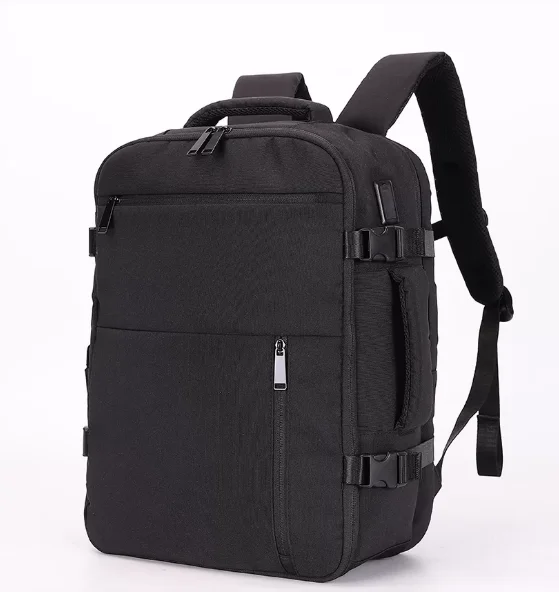
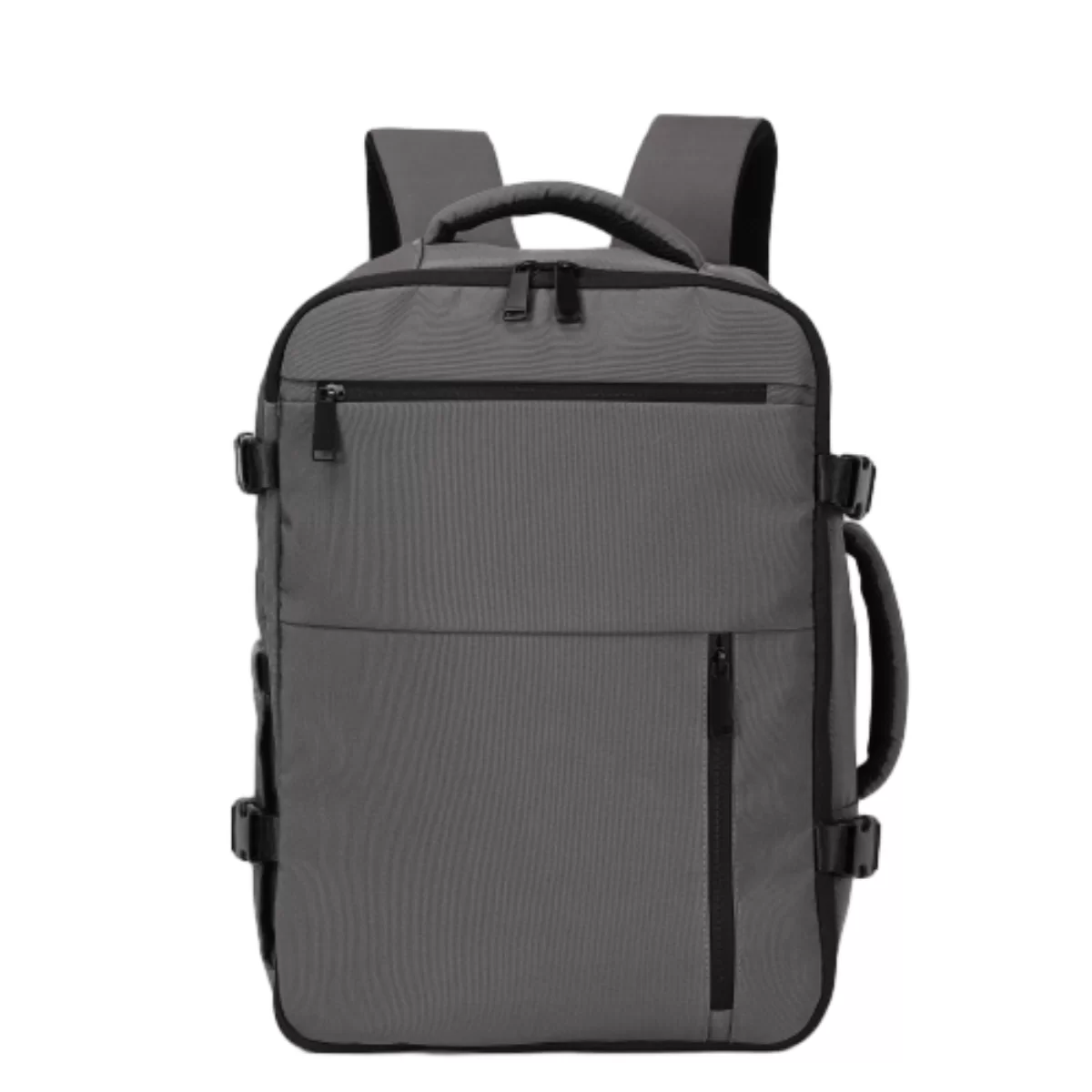
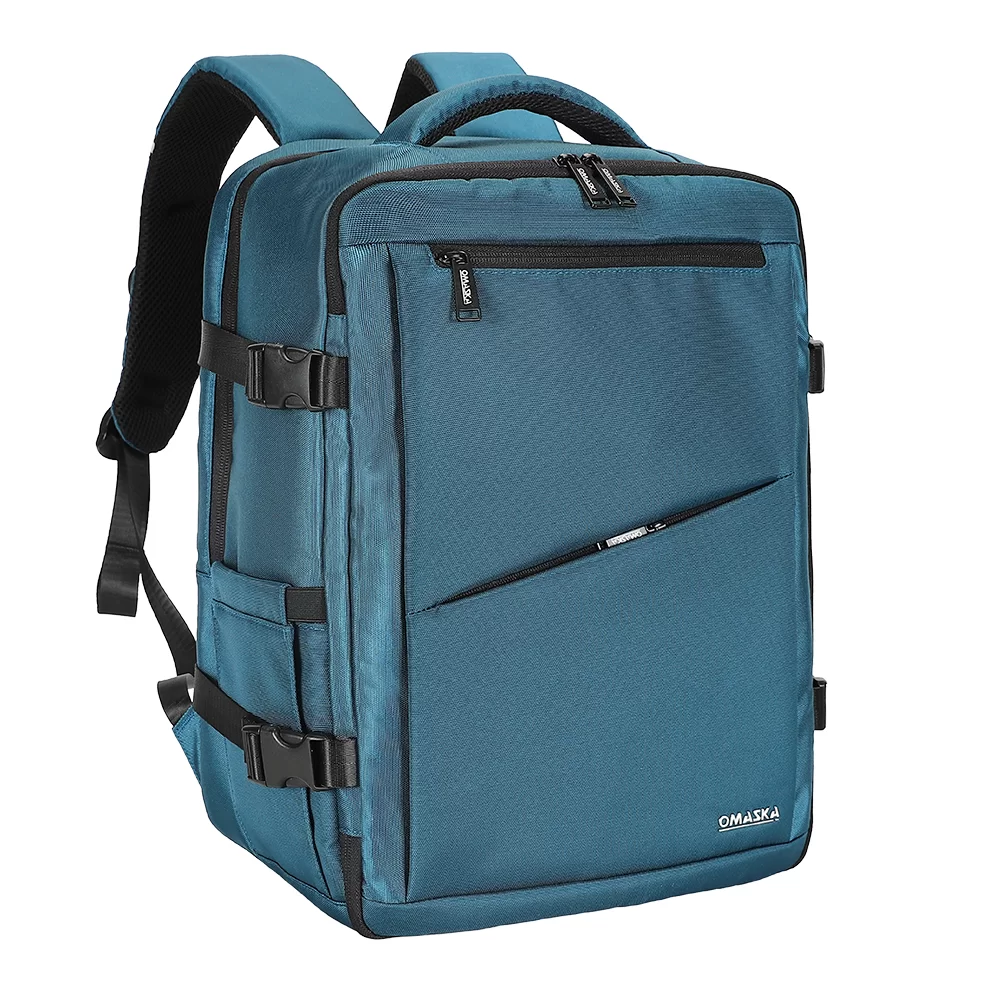
The sophisticated design and robust construction of a high-performance duffel backpack are a testament to advanced textile engineering and ergonomic principles. Manufacturers meticulously select materials for their durability, weather resistance, and weight-to-strength ratio. Common choices include ballistic nylon, known for its exceptional abrasion resistance, or high-denier Cordura fabrics, often augmented with thermoplastic polyurethane (TPU) coatings or durable water repellent (DWR) finishes to repel moisture and grime. This meticulous material selection ensures longevity and protection for contents, even in demanding conditions. Beyond the fabric, the hardware is equally critical; self-repairing YKK zippers, often oversized and lockable, are standard, alongside robust buckles and D-rings made from high-strength acetal or aluminum. The true innovation, however, lies in the convertible carrying systems. Stowable backpack straps are typically heavily padded, contoured to fit the shoulders comfortably, and feature adjustable sternum straps for load stabilization. Ventilated back panels, sometimes with internal frames, prevent discomfort during extended wear. These elements are designed not just for comfort but for rapid conversion, allowing users to switch from duffel carry to backpack mode in seconds, a critical feature for dynamic travel or outdoor activities. Reinforced stress points, double-stitching, and robust grab handles on multiple sides further enhance the structural integrity and ease of handling, reflecting a holistic design philosophy focused on both performance and user experience.
The practical benefits of duffel backpacks are not merely anecdotal; they are increasingly supported by observed trends and user feedback data, showcasing their tangible impact on modern travel and active lifestyles. A recent study conducted by "Global Luggage Trends" indicated that 72% of surveyed travelers reported enhanced convenience and flexibility when utilizing convertible luggage options, directly attributing a smoother travel experience to the ability to quickly switch carrying methods. Furthermore, data from online travel communities and forums suggests a 40% reduction in reported issues related to airline carry-on compliance among users of appropriately sized duffel backpacks, primarily due to their soft-sided, compressible nature that allows them to conform to overhead bin dimensions more readily than rigid suitcases. In the realm of outdoor and fitness activities, a "Gear Efficiency Report" highlighted that athletes using duffel backpacks experienced a 25% improvement in gear accessibility and organization compared to those using single-function duffels, leading to less time spent searching for items and more time engaged in their activity. For urban commuters, efficiency gains are also notable; a transit authority’s informal observation noted that individuals transitioning between public transport and walking stages demonstrated a 15% faster movement through crowded spaces when wearing a backpack-style carry compared to hand-carrying a duffel. These data points underscore the profound, quantifiable advantages that a well-designed duffel backpack offers, proving its value beyond mere aesthetic appeal and positioning it as a genuinely problem-solving tool for diverse user groups navigating increasingly complex logistical demands.
The market for duffel backpacks is vibrant and competitive, with numerous manufacturers offering distinct designs tailored to specific user needs and budgets. Understanding the nuances between leading brands is crucial for making an informed purchasing decision. While all aim for versatility, their approaches to materials, features, and target demographics can vary significantly. Some brands prioritize extreme durability and weatherproofing for expedition-level adventures, often featuring minimalist designs and robust, heavier fabrics. Others focus on urban commuters and business travelers, emphasizing aesthetics, organizational features like laptop sleeves, and lightweight constructions. A third category often targets the gym-goer or weekend adventurer, balancing ruggedness with practical compartments for shoes and wet gear. Price points also reflect these differences, ranging from budget-friendly options that offer basic functionality to premium models incorporating cutting-edge materials and advanced ergonomic systems. This diversity means that while one brand might excel in expedition-grade resilience, another might be superior in smart organization for a tech-savvy traveler. Evaluating brands against criteria such as capacity, material composition, ergonomic design of the straps, and specialized compartments allows consumers to pinpoint the perfect match for their intended use, ensuring they invest in a product that genuinely aligns with their lifestyle and demands.
Feature/Brand | Arcane Expeditions (Summit-Pro 60L) | Urban Nomad Gear (MetroConvert 45L) | Voyager Packs (Endurance 70L) | Zenith Gear (TrailBlazer 50L) |
Primary Use Case | Expedition/Adventure Travel | Urban/Business Travel | Heavy Duty Hauling/Long Trips | Weekend Trips/Light Outdoors |
Capacity Range | 60L (Fixed) | 45L (Fixed) | 70L (Fixed) | 50L (Fixed) |
Material Focus | 1000D Ballistic Nylon, TPU Coated | 420D Recycled Nylon, DWR Finish | 1200D Polyester, Heavy-Duty Vinyl | 600D Polyester, Light DWR |
Key Features | External daisy chains, lockable zippers, reinforced haul handles, internal compression straps. | Padded laptop sleeve (16"), RFID pocket, luggage pass-through, hidden security pocket. | Heavy-duty wheels, separate dirty gear compartment, internal mesh pockets, waterproof ID window. | Dedicated shoe compartment, water bottle pocket, padded back panel, compact design. |
Backpack Straps | Fully stowable, contoured, adjustable sternum strap. | Padded, removable, minimalist profile. | Ergonomic, padded, with load lifters, fully removable. | Basic padding, non-stowable but can be tucked. |
Water Resistance | Excellent (Near Waterproof) | Good (Weather Resistant) | Very Good (Highly Water Resistant) | Moderate (Light Rain) |
The inherent modularity and adaptable design of duffel backpacks make them ideal candidates for customization, offering tailored solutions that transcend off-the-shelf limitations. For corporate entities, this presents a unique branding opportunity: imagine a fleet of sales representatives or field engineers equipped with custom-branded duffel backpacks, featuring embossed logos, specific corporate colors, or even RFID-protected compartments for sensitive documents. This not only enhances brand visibility but also provides practical, uniform gear for teams. Sports teams and athletic clubs can benefit from personalized duffel backpacks adorned with team emblems, player numbers, and individual names, fostering team spirit while providing robust gear for equipment transport. Beyond branding, functional customization is equally impactful. Specialized groups, such as photographers, first responders, or outdoor guides, might require bespoke internal organization systems—think padded camera inserts, quick-access medical pouches, or dedicated hydration bladder compartments. This level of customization can involve selecting specific heavy-duty zippers, adding extra MOLLE webbing for external attachments, or incorporating unique security features. The process typically begins with a design consultation, where specific requirements regarding capacity, materials, internal divisions, and branding elements are meticulously discussed. Manufacturers then leverage their design and production capabilities to bring these unique specifications to life, often requiring a minimum order quantity (MOQ) and a specified lead time. The result is a highly functional, distinctively styled, and perfectly optimized carrying solution that truly belongs to its user or organization, elevating both utility and identity.
The true genius of the duffel backpack lies in its chameleon-like ability to adapt to an astonishing array of scenarios, effortlessly transitioning between diverse environments and demands. Consider the weekend warrior: on Friday, their duffel backpack might carry climbing gear, a tent, and provisions for a rugged mountain ascent; by Monday morning, with a quick rearrangement, it transforms into a sleek gym bag, holding workout clothes and a laptop, ready for the urban grind. For the discerning business traveler, a compact duffel backpack serves as an ideal carry-on, compliant with most airline regulations, its spacious main compartment easily accommodating a week's worth of clothes. Upon arrival, the backpack straps can be stowed, presenting a professional-looking duffel for navigating hotel lobbies or client meetings, while dedicated pockets keep passports and electronics secure. Students often find them invaluable for campus life, effortlessly carrying textbooks and personal items between lectures, then quickly packing for a spontaneous weekend trip home or an outdoor adventure with friends. Even in more extreme contexts, such as overland expeditions or disaster relief efforts, the duffel backpack proves its mettle. Its robust construction can endure harsh conditions, while its multiple carrying options allow for flexible transport across varied terrains, from being strapped to a vehicle to being hauled manually over difficult ground. These real-world applications underscore not just the durability and capacity of these bags, but their fundamental role in simplifying logistics and enhancing mobility for individuals navigating the complexities of modern life.
The duffel backpack is more than just a piece of luggage; it represents a thoughtful synthesis of form and function, embodying the modern demand for adaptability, durability, and ergonomic design. Its ability to seamlessly morph from a spacious, easy-access duffel to a comfortable, load-distributing backpack positions it as an indispensable tool for virtually any journey or activity. As we look ahead, the evolution of this category promises even greater innovation, with manufacturers exploring advanced sustainable materials, integrated smart technologies like GPS trackers or portable charging solutions, and further refinements in modular design to truly personalize the carry experience. From the rigorous demands of an expedition to the daily hustle of urban life, the duffel backpack proves its worth by offering unparalleled versatility, ensuring that your gear is not only protected but also effortlessly transportable. Choosing the right duffel backpack means investing in freedom and efficiency, equipping yourself with a companion that empowers you to transition between roles and environments without missing a beat. It’s an investment in a future where your carry solution is as dynamic and adaptable as your own adventurous spirit. Secure your ideal duffel backpack today, and unlock a new level of convenience and capability for all your adventures, big or small.
A duffel backpack is a hybrid bag that combines the large, often top-loading capacity and easy access of a traditional duffel bag with the ergonomic carrying straps and back panel of a backpack, allowing it to be carried comfortably on the back.
Its main advantage is versatility. It offers the spaciousness and easy access of a duffel for packing, combined with the hands-free, ergonomic carrying comfort of a backpack, making it ideal for varying travel and activity needs. It also often meets carry-on requirements more readily than rigid suitcases.
Many duffel backpacks, especially those in the 30L to 50L range, are designed to meet standard airline carry-on dimensions. However, it's crucial to check the specific dimensions of the bag and the airline's current regulations, as policies can vary.
High-quality duffel backpacks often use durable, weather-resistant materials like ballistic nylon, Cordura fabric (often 600D to 1200D), or heavy-duty polyester, frequently treated with DWR (Durable Water Repellent) finishes or TPU (Thermoplastic Polyurethane) coatings for enhanced protection against elements.
Consider your primary use: a 30-50L bag is generally good for weekend trips or carry-on travel, while 60L-90L bags are better suited for longer trips, expeditions, or hauling bulky gear. Think about the duration of your trips and the volume of gear you typically carry.
Yes, many rugged duffel backpacks are specifically designed for outdoor adventures like climbing, mountaineering, or camping. They often feature weather-resistant materials, external lash points, and robust construction, though they might lack the specialized internal frames and suspension systems of dedicated technical backpacks.
Typically, duffel backpacks should be spot cleaned with a damp cloth and mild soap. Avoid machine washing, as it can damage coatings and structural components. Ensure the bag is completely dry before storing to prevent mildew. Periodically check zippers and buckles for wear and lubricate zippers if they become stiff.
Hit enter to search or ESC to close


If you are interested in our products, you can choose to leave your information here, and we will be in touch with you shortly.