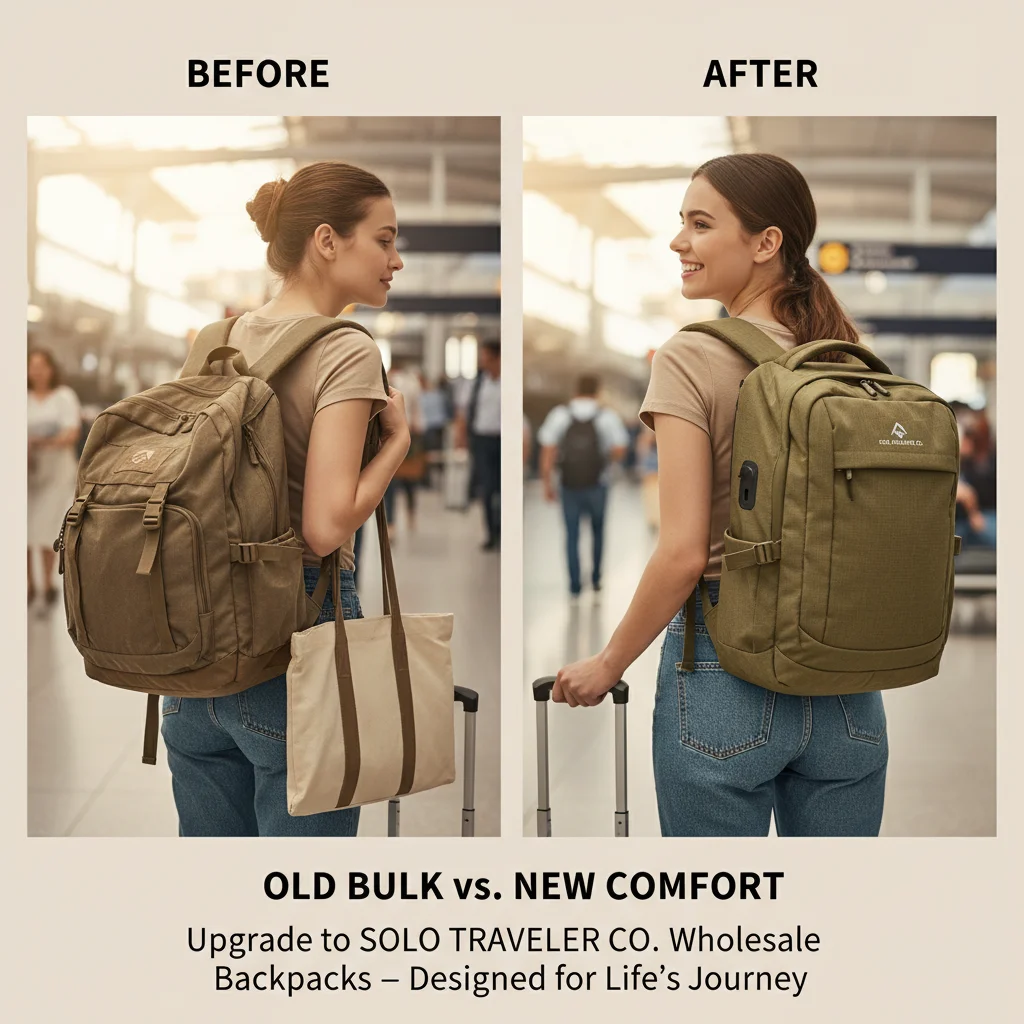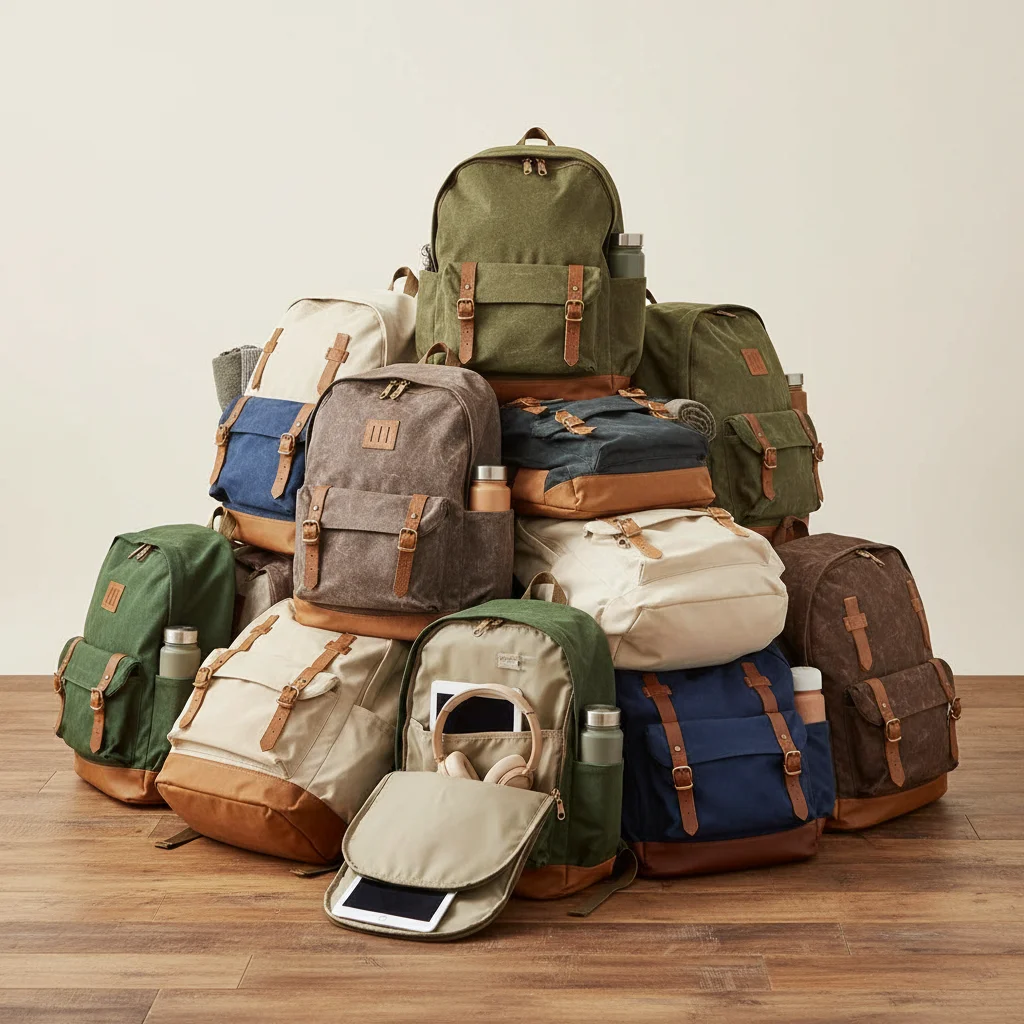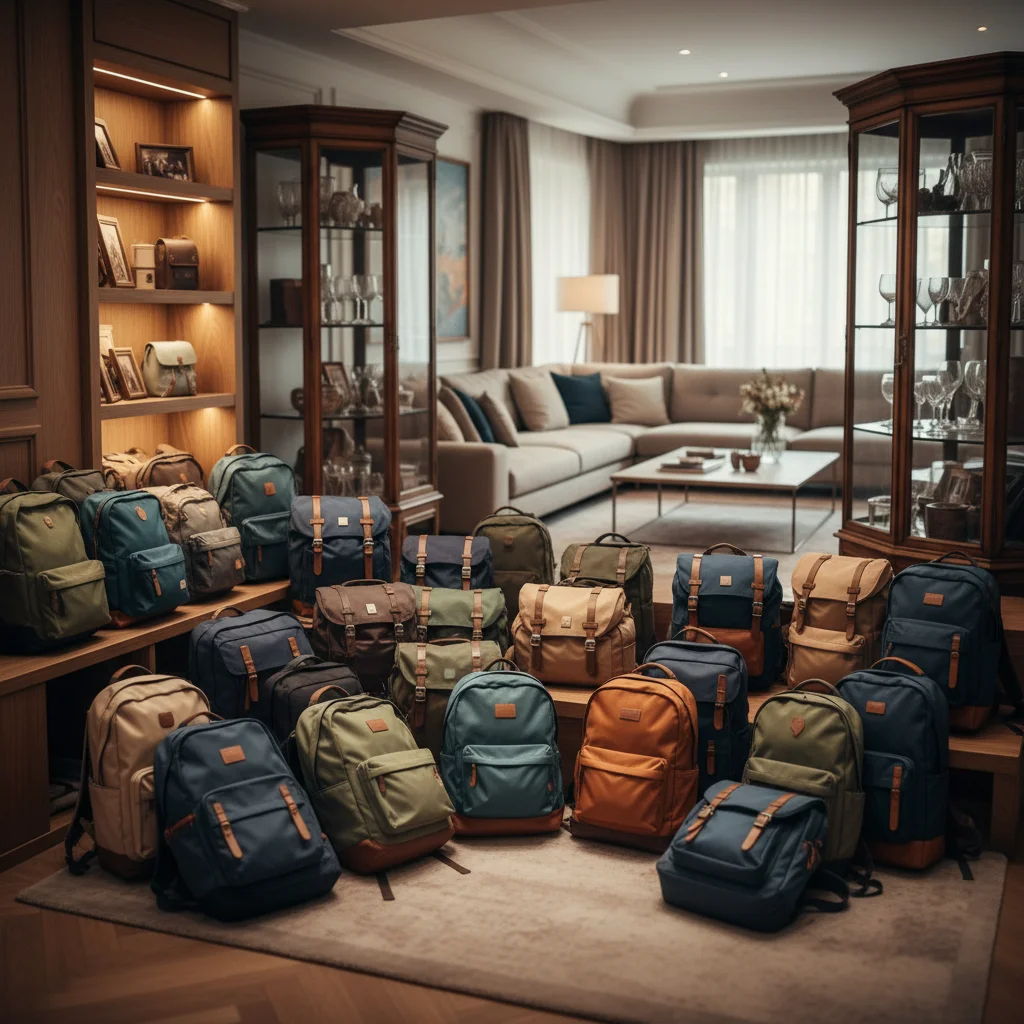
Custom logo backpacks are specialized carrying solutions tailored with a company's branding, logos, and specific functional requirements to serve as both a utility tool and a mobile marketing asset. Unlike generic bags, these products are engineered to align with a brand's visual identity while meeting the rigorous demands of their intended users, whether for corporate gifting, school promotions, or retail merchandise.
For many businesses, the challenge lies in finding a balance between aesthetic appeal and industrial durability. A poorly constructed bag reflects poorly on the brand, while an overly expensive one may limit the scale of a promotional campaign. In the competitive landscape of corporate merchandise, the quality of materials and the precision of the logo application are the primary drivers of perceived value.
This guide explores the critical factors in sourcing custom logo backpacks, from material selection and manufacturing standards to the logistical considerations of wholesale procurement. By understanding the technical specifications and brand integration strategies, procurement officers and business owners can make informed decisions that maximize their return on investment and enhance brand visibility.

1Understanding the Core Value of Branded Backpacks

The primary value of custom logo backpacks extends beyond simple transportation; they function as "walking billboards." When a high-quality bag is distributed, the brand gains continuous exposure in diverse environments—airports, campuses, and city streets. This organic visibility builds subconscious trust and brand familiarity among the general public, creating a long-term marketing effect that traditional digital ads often lack.
Furthermore, these backpacks serve as an essential part of employee onboarding or client appreciation packages. By providing a functional tool that improves the user's daily life, companies foster a deeper emotional connection and a sense of belonging. The utility of the item ensures that the brand remains present in the user's routine for years.
From a strategic perspective, customization allows companies to control every touchpoint of the user experience. From the choice of zippers to the interior lining color, every detail can be aligned with the corporate style guide, ensuring a cohesive brand image across all physical merchandise.
2Technical Specifications and Material Selection
The choice of material determines the backpack's lifespan and suitability for specific environments. Common high-performance materials include PP (Polypropylene) for lightweight rigidity, polyester for versatility, and nylon for high-abrasion resistance. For travel-oriented luggage, reinforced corners and water-resistant coatings are non-negotiable requirements to protect electronics and documents.
Hardware quality is often overlooked but critical. High-grade spinner wheels and telescopic drawbars ensure effortless mobility, while reinforced stitching at stress points prevents premature failure. The integration of secure zippers and TSA-compliant locks adds a layer of security that is essential for professional travel luggage.
Internal organization also plays a key role. The inclusion of dedicated laptop compartments, mesh pockets for gadgets, and ergonomic shoulder straps ensures that the custom logo backpack is not just a marketing tool, but a genuinely useful product that users will prefer over generic alternatives.
3Application Scenarios for Corporate and Retail Use
Custom logo backpacks are deployed across various sectors, each with unique requirements. In the corporate sector, sleek, minimalist designs in neutral tones are preferred for business trips and executive gifts. These often prioritize laptop protection and a professional appearance, focusing on "quiet luxury" where the logo is subtle but high-quality.
Conversely, educational and promotional events demand high-visibility designs with bold colors and larger logos. In these scenarios, cost-efficiency and lightweight materials are prioritized to allow for mass distribution without compromising the basic utility of the bag.
For travel and tourism, the focus shifts to durability and capacity. Luggage-style backpacks with 20, 24, or 28-inch options provide the versatility needed for long-term journeys. In this context, the branding serves as a mark of quality and reliability for travelers navigating busy terminals.
4Analyzing Performance and Brand Visibility Metrics
Measuring the ROI of branded merchandise requires looking at "impressions per wear." A single high-quality backpack used daily in a city center can generate thousands of passive impressions per month. This is significantly more cost-effective over a two-year period than recurring digital ad spend for the same level of visibility.
Beyond visibility, the perceived value of the brand increases when the product is seen as a "premium gift." When users receive a durable, well-designed bag, they transfer those attributes of reliability and quality to the company providing the gift, enhancing overall brand equity.
custom logo backpacks Performance Metrics
Data suggests that customized gear leads to higher employee engagement and a stronger sense of corporate identity. When teams are equipped with unified, high-quality gear, it fosters a professional image during client interactions and external conferences, projecting a cohesive and organized organizational front.
5Procurement Guide for Wholesale Ordering
When ordering in bulk, the most critical factor is the Minimum Order Quantity (MOQ) versus customization depth. Most professional factories require an MOQ (e.g., 50 sets per color) to optimize production lines. Procurement teams should negotiate sample time (typically 5-7 days) to verify the logo placement and material feel before full-scale production.
Certification is another pillar of procurement. Ensure the manufacturer holds ISO9001 for quality management and BSCI for social compliance. These certifications guarantee that the production process is stable and that the products meet international safety and ethical standards, reducing risk for the buying company.
Logistics and packaging should be considered early. Whether using Poly Bags or custom Cartons, the packing method affects shipping costs and the "unboxing experience" for the end recipient. Professional OEM/ODM services can provide end-to-end tracking from raw material selection to final delivery.
6Innovations in Sustainable Luggage Manufacturing
The industry is shifting toward "Eco-conscious Branding." This involves the use of RPET (recycled polyethylene terephthalate) and biodegradable fabrics. Modern consumers, especially Gen Z and Millennials, are more likely to value and keep a branded bag if they know it was produced using sustainable methods.
Innovation also extends to "smart" features. The integration of hidden USB charging ports, RFID-blocking pockets for passports, and anti-theft zippers are becoming standard for high-end custom logo backpacks, moving the product from a simple accessory to a tech-enabled tool.
Furthermore, the "Fast Fashion" approach to travel gear is being replaced by "Timeless Utility." Manufacturers are focusing on modular designs where compartments can be adjusted, ensuring the bag remains useful as the user's needs change, thereby extending the brand's exposure window.
7Comparing Customization Methods for Brand Integration
Choosing the right logo application method is a trade-off between cost, durability, and visual impact. Screen printing is cost-effective for large, simple logos but can fade over time. Embroidery offers a premium, textured feel and extreme durability, making it ideal for corporate executive bags.
For complex, multi-color designs, heat transfer or digital printing provides the highest precision. However, these may have different peeling risks depending on the base fabric. The decision should be based on the expected lifecycle of the bag and the brand's visual complexity.
| Method | Durability | Visual Detail | Best Use Case |
|---|---|---|---|
| Screen Printing | Moderate | Low-Mid | Mass Promo Events |
| Embroidery | Very High | Moderate | Corporate Executive Gifts |
| Heat Transfer | Moderate | High | Complex Multi-color Logos |
| Rubber Patch | High | Moderate | Outdoor/Rugged Gear |
| Debossing | Extreme | Low | Leather/Premium Accents |
| Digital Print | Low-Mid | Very High | Limited Edition Artist Series |
Ultimately, the most successful custom logo backpacks combine a durable material base with a logo application method that complements the fabric's texture. A holistic approach to design ensures the product is viewed as a high-value asset rather than a disposable promotional item.
Frequently Asked Questions
Conclusion
Investing in custom logo backpacks is a strategic move that blends utility with high-impact marketing. By focusing on material durability, precise brand integration, and verified manufacturing standards, businesses can create a product that users value and retain for years. The transition from a simple promotional item to a high-performance travel tool is what separates successful brand campaigns from disposable ones.
For procurement teams and business owners seeking reliable, high-quality branded luggage solutions, reviewing professional manufacturing capabilities is the first step toward success. Detailed product specifications and customization options can be explored through the available resources at www.omaskafactory.com to ensure your brand is represented with excellence.