
04 Apr 2026
In the dynamic world of international trade, efficient and reliable luggage solutions are crucial. A quality trolley bag factory can be a cornerstone of your supply chain, whether you're an importer, distributor, or retailer. This article provides an in-depth look at what to consider when selecting a factory, focusing on quality, cost-effectiveness, and establishing a successful partnership. We'll cover key aspects like manufacturing capabilities, quality control processes, and essential considerations for cross-border sourcing.
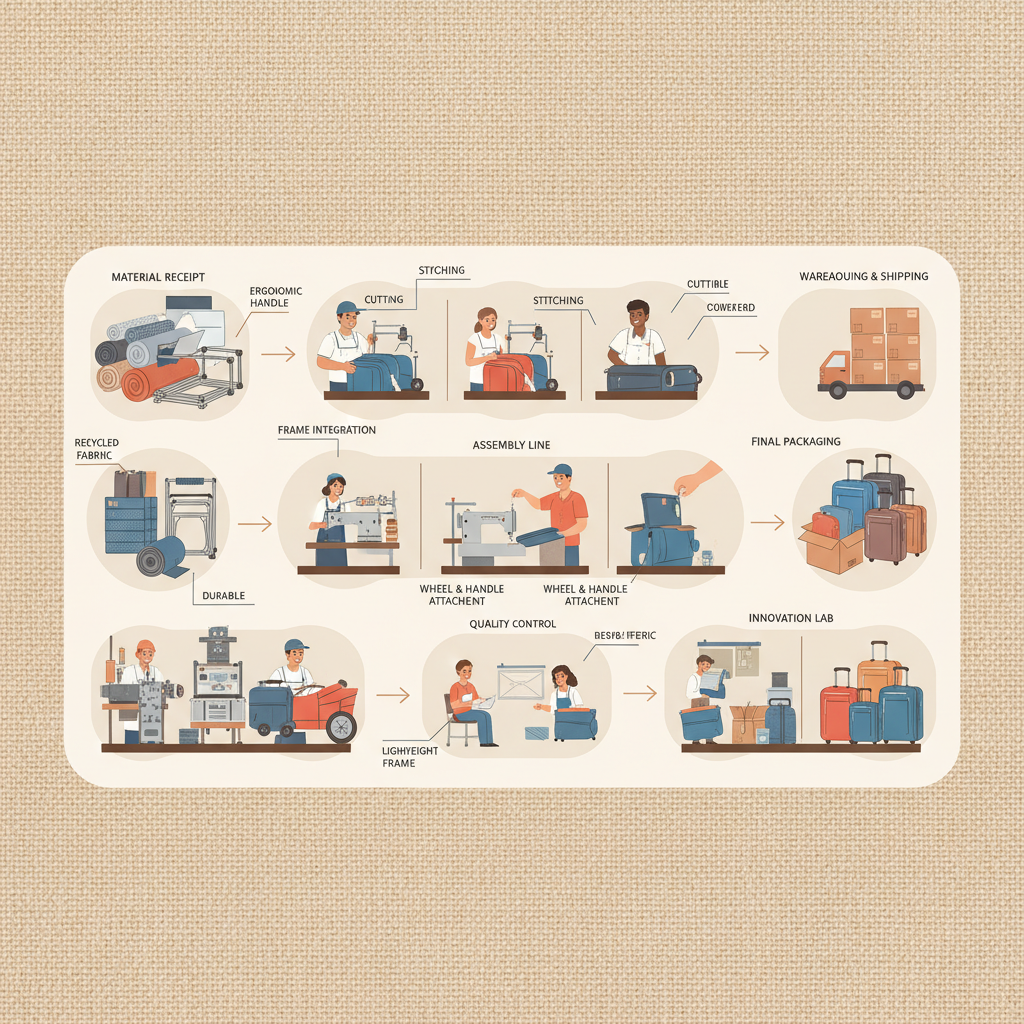
Selecting the right trolley bag factory requires careful evaluation. Beyond price, consider the factory's production capacity, expertise in different bag types (hard shell, soft shell, expandable, etc.), and ability to handle custom designs. A factory with robust quality control measures is essential to ensure consistent product quality. Furthermore, understanding their experience with international shipping and compliance with relevant regulations (like REACH or RoHS) is vital for a smooth import process. Look for manufacturers who are proactive in communication and demonstrate a commitment to building long-term relationships.
Key Takeaway: Prioritize factories that demonstrate a commitment to quality, clear communication, and a thorough understanding of international trade requirements.
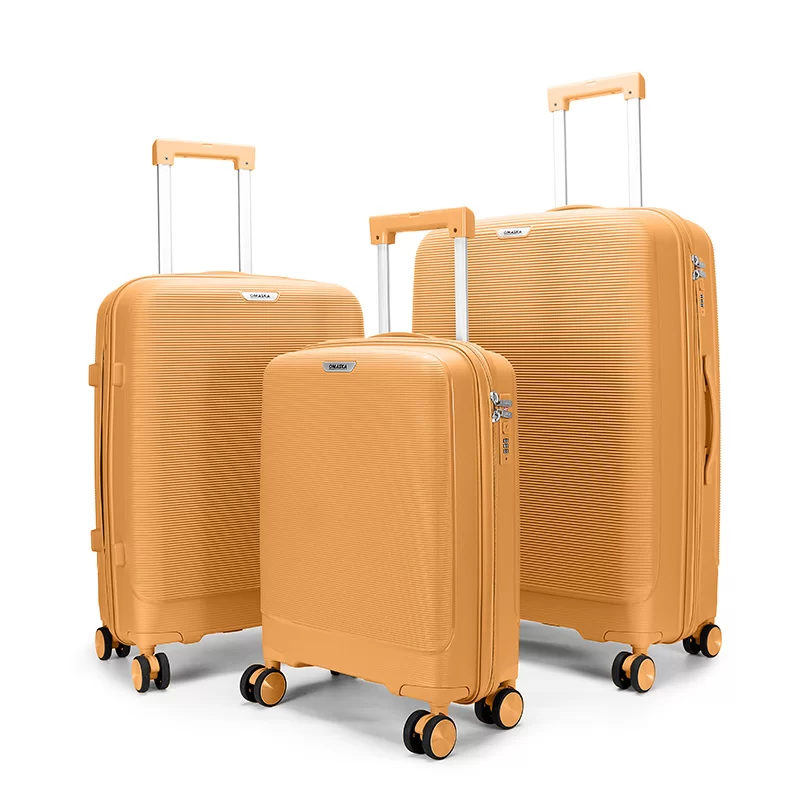
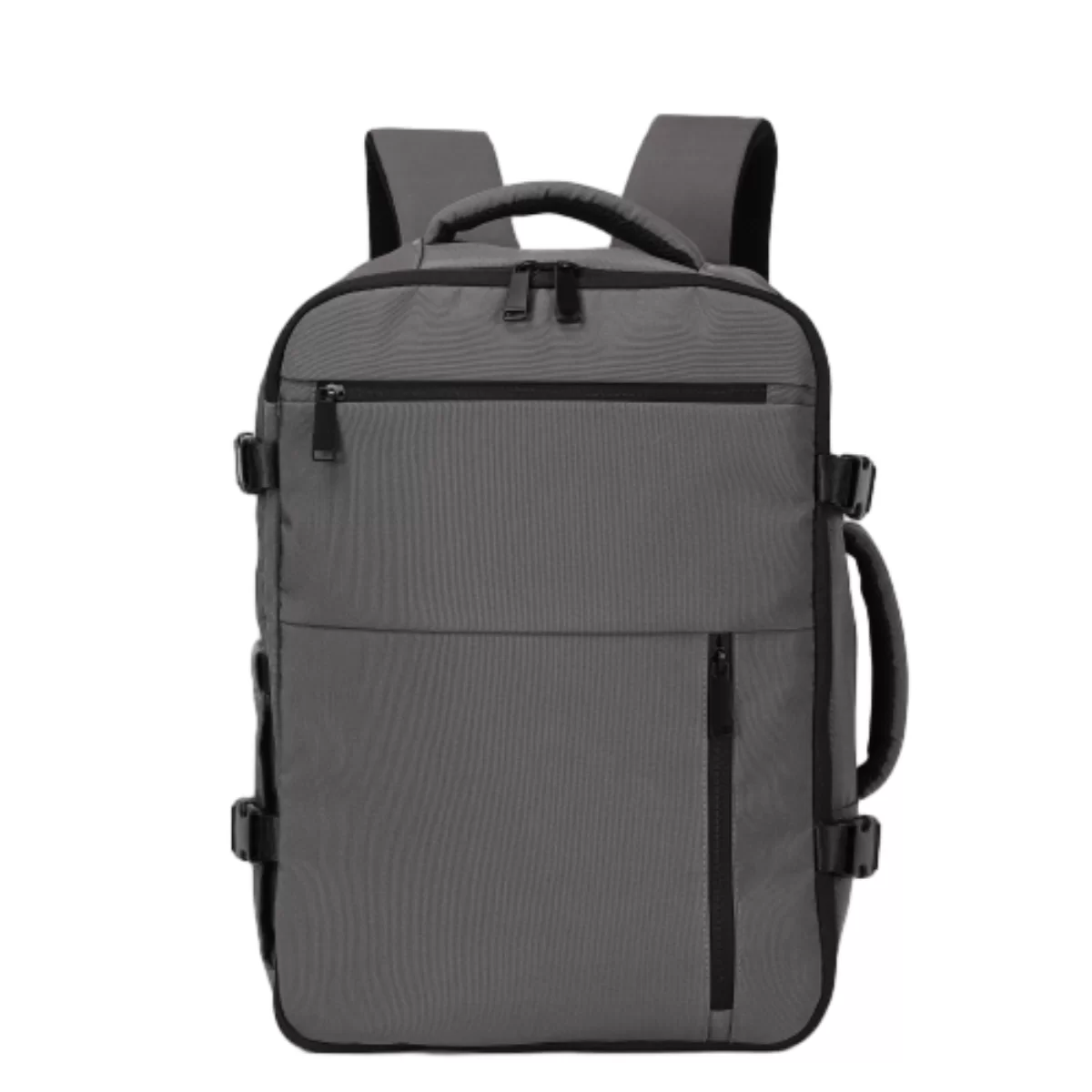
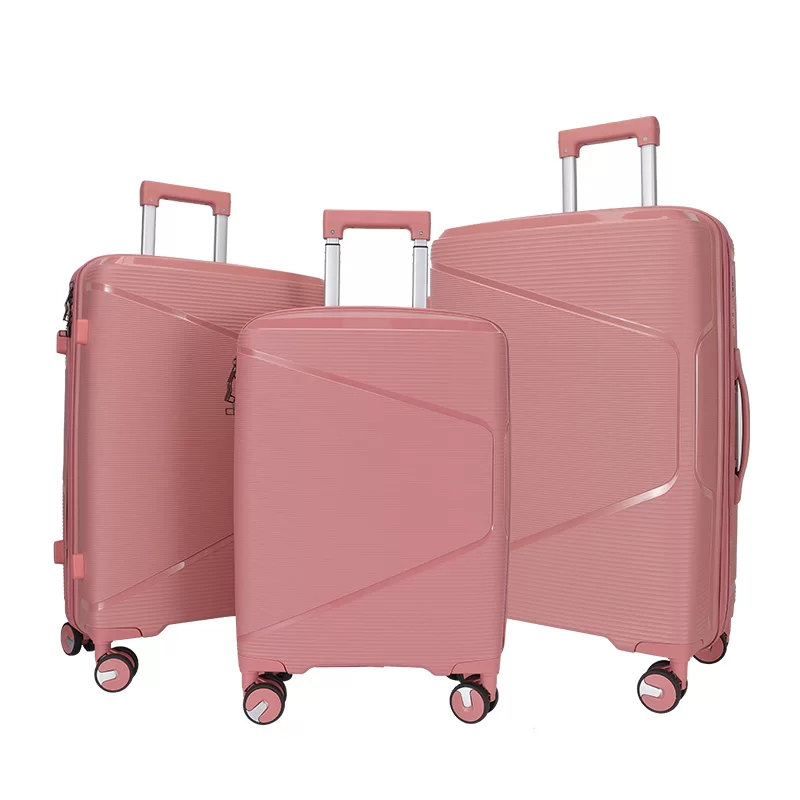
A proficient trolley bag factory should offer a diverse range of manufacturing capabilities. This includes expertise in various materials (polyester, nylon, ABS, polycarbonate), sewing techniques, and hardware attachments. They should be able to handle different bag sizes and styles, from compact cabin luggage to large checked bags. Inquire about their ability to accommodate custom designs, including logo placement, color variations, and unique features. A factory with a dedicated design team can be invaluable for bringing your product vision to life.
Material Expertise:
• Polyester: Durable and cost-effective.
• Nylon: High strength and abrasion resistance.
• ABS/Polycarbonate: Lightweight and impact resistant (for hard shell bags).
Rigorous quality control is non-negotiable when sourcing from a trolley bag factory. The best factories implement quality checks at every stage of production, from raw material inspection to final product testing. This includes assessing seam strength, zipper functionality, wheel durability, and handle integrity. Look for factories that have certifications like ISO 9001, which demonstrate a commitment to quality management systems. Consider requesting samples for thorough testing before placing a large order.
Importing from a trolley bag factory involves navigating complex logistics and trade regulations. Ensure the factory has experience with international shipping and can provide accurate documentation for customs clearance. Understanding Incoterms (International Commercial Terms) is crucial for defining responsibilities related to shipping costs, insurance, and risk. Consider factors like lead times, shipping methods (sea freight, air freight), and potential import duties and taxes. Partnering with a reliable freight forwarder can streamline the process.
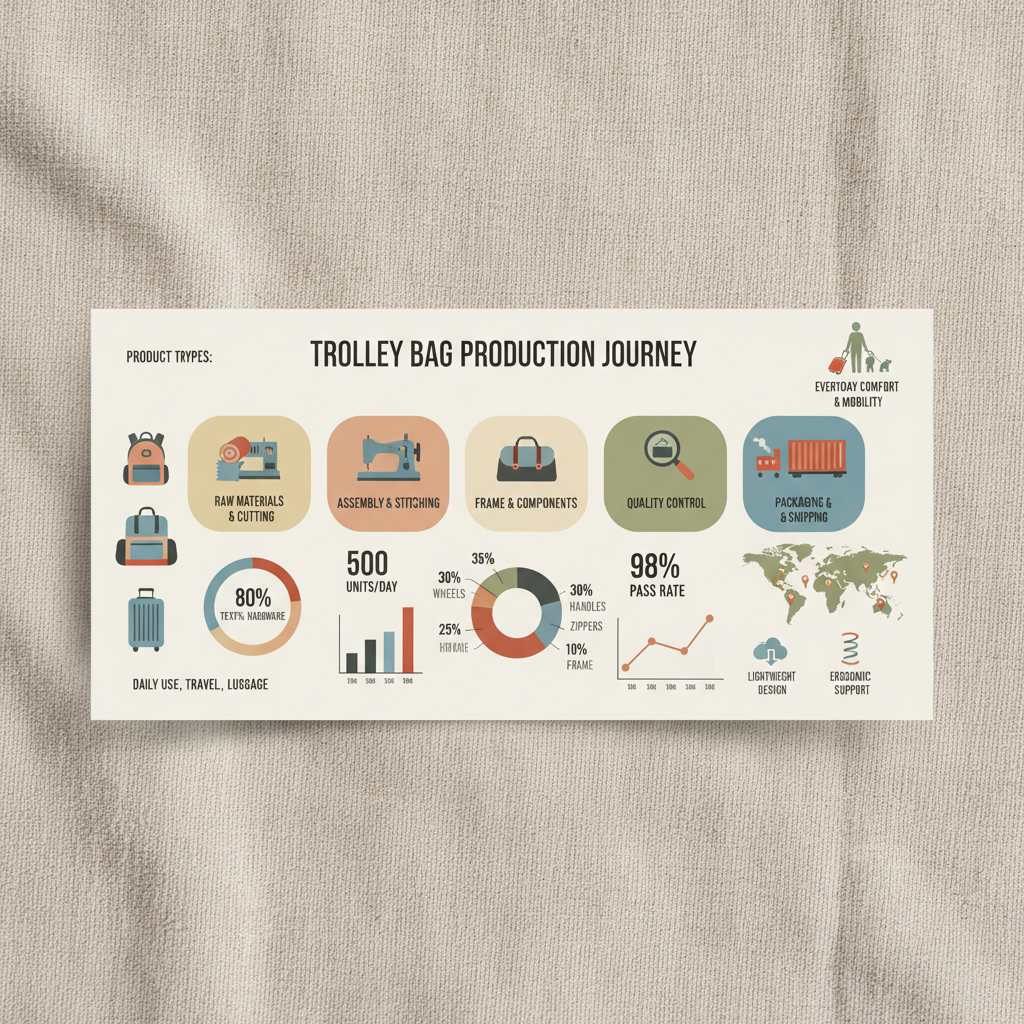
The most successful sourcing relationships are built on trust and open communication. Regularly communicate your needs and expectations to the factory, and be responsive to their feedback. Visiting the factory in person can foster a stronger relationship and allow you to assess their capabilities firsthand. Look for factories that are committed to continuous improvement and are willing to invest in new technologies and processes. A collaborative partnership can lead to cost savings, improved quality, and a competitive advantage in the marketplace.
Choosing the right trolley bag factory is a critical decision for any business involved in the luggage industry. By carefully evaluating manufacturing capabilities, quality control processes, and logistical considerations, you can establish a partnership that delivers high-quality products, competitive pricing, and a reliable supply chain. Don't settle for less when it comes to protecting your brand and meeting your customers' needs.
MOQs vary significantly depending on the factory and the complexity of the order. Generally, you can expect MOQs to range from 300 to 1000 units per style and color. However, some factories may be willing to negotiate lower MOQs for established clients or for simpler designs. It's crucial to discuss MOQ requirements upfront and understand how they might affect your overall costs. Be prepared to potentially commit to a larger order to secure more favorable pricing.
Lead times vary based on order size, complexity, and the factory's current workload. A typical production lead time ranges from 45 to 90 days after receiving a confirmed order and deposit. Factors that can impact lead times include material availability, customization requirements, and peak season demand. It's essential to factor in lead times when planning your inventory and marketing campaigns.
Common payment terms include a 30% deposit upon order confirmation, with the remaining 70% payable before shipment. Some factories may offer letter of credit (L/C) as a payment option, especially for large orders. Negotiating favorable payment terms is important for managing your cash flow. It's recommended to establish a clear payment schedule and terms in the contract before proceeding with the order.
Hit enter to search or ESC to close


If you are interested in our products, you can choose to leave your information here, and we will be in touch with you shortly.